Slot Machine Color Psychology: Win Animations, Near-Miss Effects & Jackpot Design
· Daniel Shir
The Moment I Understood Slot Machine Design
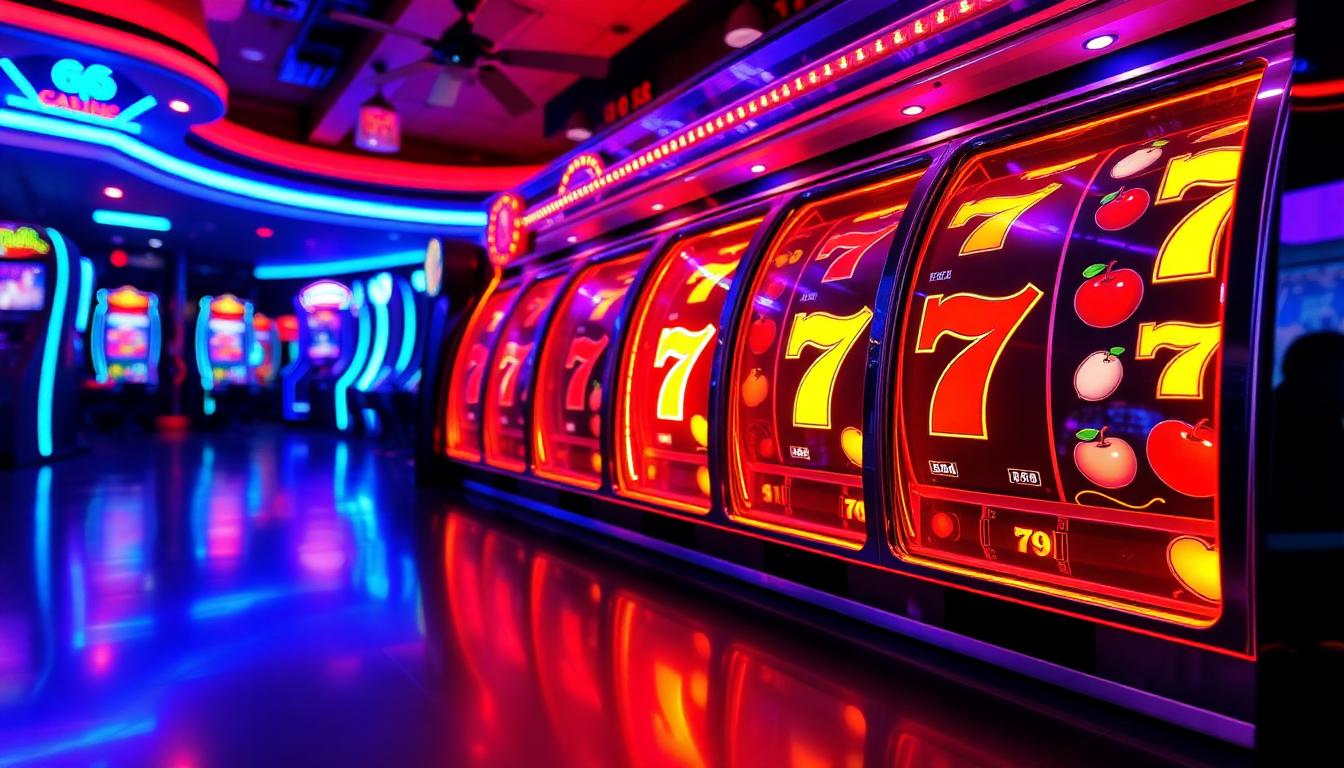
I was in a Las Vegas casino at 2 AM, watching a woman play a slot machine for what she told me was her third straight hour. The machine flashed, beeped, and occasionally exploded in golden light. What struck me wasn't her dedication—it was the machine itself.
Every color, every animation, every sound was engineered. When she almost hit three sevens, the machine turned orange and red, creating what I'd later learn is called a "near-miss effect." When she won $1.50 on a $2 bet, the machine celebrated like she'd hit the jackpot—gold everywhere, coins cascading (digitally), triumphant music.
That moment changed how I see color in gambling design. Let me take you inside the psychology.
The Science of Slot Machine Colors
Slot machines are the most profitable gambling devices ever created, generating over 70% of casino revenue. And color is their secret weapon.
Why Slot Machines Are Color Explosions
Unlike table games where subtlety signals sophistication, slot machines embrace visual chaos. Here's why:
Dopamine Trigger Colors
The psychology of red in design isn't just about attention—it's about physiological arousal. Red increases heart rate and breathing, creating physical excitement that mimics winning feelings. Slot machines exploit this relentlessly.
Gold's Wealth Association
Gold in luxury branding signals wealth and success. In slot machines, gold appears constantly—on winning lines, jackpot displays, and bonus animations. It's not decoration; it's aspiration made visible.
The Absence of Calming Blues
Notice what you don't see: cool, calming colors. While blue dominates tech branding for its trust associations, slot machines avoid it. Blue lowers heart rate and induces relaxation—the opposite of what casinos want.
The Win Animation Color Code
When a slot machine displays a winning combination, the color explosion follows a precise formula.
The Jackpot Celebration Palette
Gold is the Hero
#FFD700 — The primary color of every major win animation. Gold says "you're wealthy now" even when you've won $3.
Red Adds Excitement
#DC143C — Secondary flashes of crimson create urgency and emotional intensity. It's the color of "this is actually happening."
White Creates Flash
#FFFFFF — Bright white pulses simulate camera flashes, making every win feel photographable, memorable, shareable.
Animation Timing and Color
The most sophisticated part isn't the colors themselves—it's the timing:
- Initial Hit (0-500ms): Red flash captures attention
- Building (500ms-2s): Gold cascades from center outward
- Celebration (2-5s): White strobe effect with sustained gold
- Afterglow (5-10s): Slow fade to encourage "one more spin"
This sequence triggers dopamine release at multiple points, creating what researchers call "multi-peak reward responses."
Near-Miss Psychology: The Cruelest Color Trick
The near-miss is slot machine design's most controversial—and effective—technique.
What Is a Near-Miss?
A near-miss shows two jackpot symbols with the third just one position away. Technically, it's a complete loss. Psychologically, it feels like almost winning.
The Near-Miss Color Palette
Urgent Orange #FF4500
When reels slow near a potential win, the ambient lighting shifts to orange. This color sits between red (excitement) and yellow (anticipation), creating maximum tension.
Hope Gold #FFD700
Even in loss, gold appears briefly—just enough to activate wealth associations before fading.
Danger Crimson #8B0000
The darker reds pulse when the final reel passes the winning position. It's not celebration red; it's "so close" red.
The Research on Near-Misses
Studies show near-miss animations with warm colors increase play duration by 30% compared to neutral-colored losses. The color isn't incidental—it's instrumental.
The Spinning Reel Color Strategy
Even the basic spinning animation uses sophisticated color psychology.
Symbol Color Hierarchy
Slot machine symbols follow a strict color hierarchy reflecting their value:
High-Value Symbols
- Red 7s (
#DC143C) — The classic - Gold Bars (
#FFD700) — Wealth associations - Purple Diamonds (
#8B008B) — Luxury and rarity
Mid-Value Symbols
- Green Emeralds (
#228B22) — Luck and prosperity - Blue Sapphires (
#1E90FF) — Trust (rare in slots) - Orange Bells (
#FFA500) — Energy and playfulness
Low-Value Symbols
- Cherries (lighter red)
- Lemons (pale yellow)
- Plums (muted purple)
This hierarchy isn't random. Higher-value symbols get more saturated, more "expensive" colors. Players subconsciously learn to chase the rich colors.
Wild and Scatter Symbols
Wild Symbol Colors
Wild symbols—which substitute for any symbol—typically use:
- Royal Purple (
#8B008B) for power - Gold accents (
#FFD700) for value - Animated glows that make them "pop" from regular symbols
Scatter Symbol Colors
Scatter symbols—which trigger bonus features from any position—use attention-grabbing combinations:
- Electric Blue (
#1E90FF) - Hot Pink (
#FF69B4) - Bright Yellow (
#FFFF00)
The goal: make these special symbols impossible to miss.
Progressive Jackpot Display Design
The progressive jackpot counter is a masterclass in aspirational color design.
The Counter Color Palette
Display Red #DC143C
Numbers almost always appear in red. Not just any red—the specific crimson that reads as "urgency" and "money."
Amount Gold #FFD700
Currency symbols ($, €, £) often render in gold while numbers remain red. This creates a wealth frame around the climbing figure.
Background Black #000000
The counter floats on pure black, maximizing contrast and making the numbers seem to glow.
The Psychology of Rising Numbers
Progressive displays update in real-time, usually increasing by cents every few seconds. This creates:
- Movement that attracts eyes
- Growing numbers that suggest infinite potential
- Urgency from the "it could hit any moment" feeling
The color choice amplifies all three. Red numbers on black create maximum visibility. Gold accents say "this is real money."
Mobile Slots vs Physical Machines
The smartphone revolution brought slots to pockets worldwide—with notable color adaptations.
Physical Machine Colors
Traditional slot machines in casinos use:
- LED lighting (limited color accuracy)
- Reflective chrome surfaces
- Ambient casino lighting (typically warm)
- Bright colors to compete with neighbors
Mobile Slot App Colors
Mobile slots leverage:
- OLED screens (perfect blacks, vibrant colors)
- Controlled viewing environment
- No competition for attention
- More sophisticated gradients and animations
Key Color Differences
Saturation
Mobile slots push saturation higher because OLED screens can handle it. Colors that would look garish in a casino render beautifully on phones.
Dark Mode Integration
Many slot apps now offer dark mode—but notice what they keep bright: the winning animations. Even in dark mode, wins explode in gold and red against the muted interface.
Personalization
Mobile apps increasingly let players choose themes, but the win animation colors remain constant. The celebration palette is sacred.
Ethical Considerations in Slot Design
Let's address the elephant in the room: slot machine color design is manipulation.
The Line Between Engagement and Exploitation
Every color choice I've described serves one purpose: keeping players playing. This raises serious questions:
- Is it ethical to use color psychology to encourage gambling?
- Should near-miss animations be regulated?
- Do win celebration colors exaggerate actual payouts?
Regulatory Responses
Some jurisdictions now regulate slot machine design:
UK Gambling Commission Requires win celebrations to be proportional to actual wins. A $1 win can't trigger a jackpot-level animation.
Australian Standards Mandates that near-miss frequencies can't exceed what would occur randomly.
Emerging Regulations Several countries are examining whether hypnotic color patterns and animations constitute unfair practices.
Industry Self-Regulation
Responsible gambling initiatives increasingly include:
- "Reality check" popups with calmer colors
- Loss tracking displays with neutral palettes
- Self-exclusion screens using blue (calming) backgrounds
Design Lessons for Non-Gambling Apps
Here's the practical value: slot machine color psychology works for legitimate gamification.
Applying Win Animation Colors to Apps
Achievement Unlocks
When users complete goals in your app, use the slot machine celebration formula:
- Quick red attention flash
- Gold cascade for reward feeling
- White strobes for "special moment"
- Gentle fade encouraging next action
Progress Indicators
Apply the progressive jackpot approach to progress bars:
- Use red/gold for points/scores
- Black backgrounds for contrast
- Real-time updating for engagement
Reward Systems
Even simple reward systems benefit from slot-inspired color:
- Rare rewards get saturated purples and golds
- Common rewards get softer, less saturated versions
- All rewards get some gold accent
CTA Button Lessons
The psychology of CTA button colors directly borrows from slot machine design. High-converting CTAs use:
- High saturation
- Warm colors (red, orange, gold)
- Contrast against backgrounds
- Subtle animation on hover
Creating Slot-Inspired Palettes with Coloracci
Whether you're designing actual gambling interfaces or applying these principles to apps, Coloracci's AI Website Designer can help generate palettes that capture the energy without crossing ethical lines.
Try the Fibonacci Color Generator to create mathematically harmonious palettes that incorporate the gold and red tones that drive engagement.
Use the Color Hierarchy Tool to ensure your high-value elements get appropriate color emphasis.
The Future of Slot Machine Colors
As technology evolves, so do slot machine color strategies:
AR/VR Slots
Augmented and virtual reality casinos will surround players with color. Imagine winning animations that fill your entire field of vision with cascading gold.
Adaptive Color AI
Machine learning could personalize color schemes to individual players, finding which combinations maximize their engagement.
Biometric Response Integration
Future slots might monitor heart rate and adjust colors in real-time. Excited player? Cool colors to calm them. Bored player? Red flashes to re-engage.
Conclusion: The Rainbow of Risk
Slot machine color psychology represents some of the most advanced—and ethically complex—application of color theory in design. Every hue serves a purpose: attracting attention, creating excitement, amplifying wins, softening losses, and always encouraging one more spin.
Understanding these principles helps in two ways. First, as consumers, we can recognize when color is being used to influence our behavior. Second, as designers, we can apply these same principles ethically—creating engaging experiences without exploiting vulnerabilities.
The colors of slot machines tell a story as old as gambling itself: the seductive promise of fortune, visualized in gold and red, one spin at a time.
Related Reading:
- Casino Floor Color Psychology: Vegas, Monte Carlo & Macau — The physical environment that frames the machines
- Lucky Colors Across Gambling Cultures — How culture shapes gambling color expectations
- The Psychology of Passion Colors — Deep dive into red and orange psychology
- CTA Button Colors That Convert — Legitimate applications of urgency colors