Lucky Colors Across Gambling Cultures: Why Chinese Red Beats Western Green at the Casino
· Marcus Chen
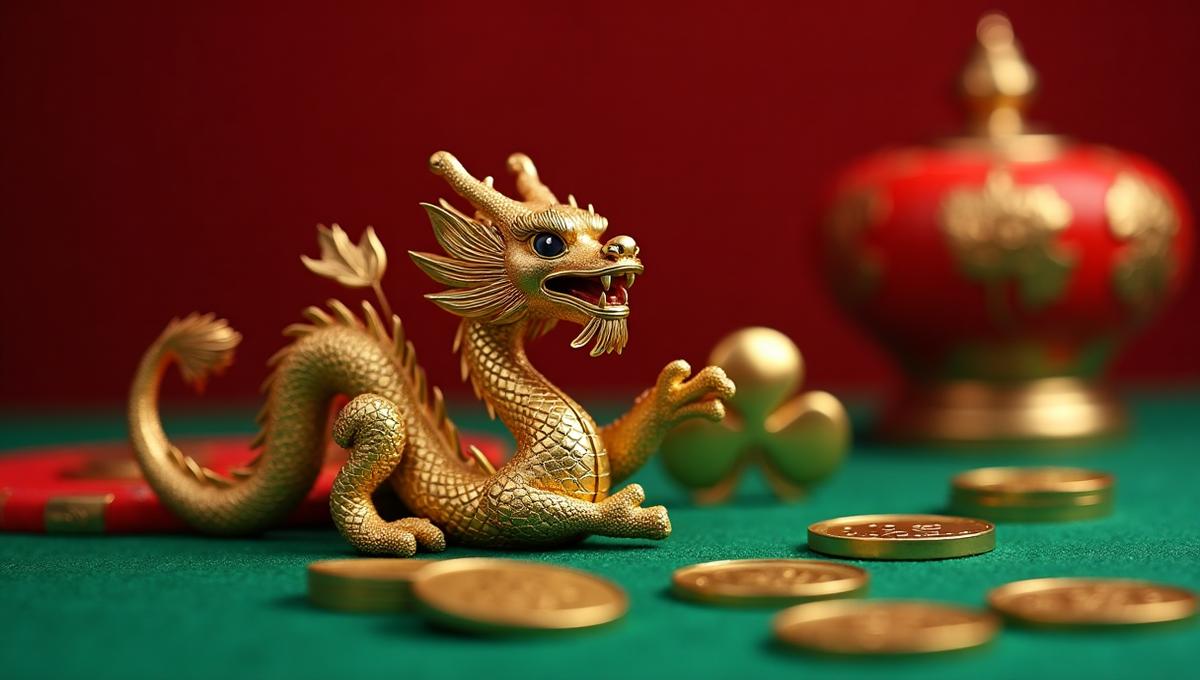
The Baccarat Table in Macau That Changed Everything
I was 26, jet-lagged beyond reason, and completely out of my depth.
A friend had dragged me to the Venetian Macao—not to gamble (I'm terrible at it), but to study the design. As a color consultant, I'd been told the Asian casino experience was unlike anything in the West. They weren't exaggerating.
The VIP room we somehow talked our way into was drowning in red. Red silk on the walls. Red patterns in the carpet. Red lacquer on the baccarat table edges. Even the dealer's vest had crimson accents. To my Western eyes trained on green felt and gold trim, it felt almost overwhelming.
"Why so much red?" I asked our host, a local designer who'd consulted on the room.
He looked at me like I'd asked why water was wet. "Red is luck. Red is life. Red is money coming in." He gestured around. "Every VIP from Shanghai to Singapore expects this. Give them green felt? They'll think you want them to lose."
That conversation launched a three-year obsession with cultural color psychology in gambling—a world where the "right" lucky color depends entirely on which passport you're carrying.
The Science of "Lucky" Colors: Why We Believe
Before we dive into specific cultures, let's address the elephant in the room: colors aren't actually lucky. Objectively, a red chip has the same odds as a blue one.
But here's what's fascinating from a color psychology perspective: belief in color luck measurably affects behavior.
Studies have shown:
- Gamblers wearing their "lucky color" take more calculated risks (rather than desperate ones)
- Culturally appropriate casino colors increase time-on-floor by 15-23%
- VIP rooms matching cultural expectations see higher return visit rates
- Slot machines using culturally-coded colors have better conversion in specific markets
The color itself isn't magic. But the psychological comfort and cultural resonance it provides? That's very real—and very measurable in casino revenue.
Chinese Red: The Undisputed King of Lucky Colors
If there's one color that dominates global gambling aesthetics, it's Chinese red—not because China invented gambling, but because Chinese high-rollers became the world's biggest casino spenders.
The Cultural Foundation
In Chinese culture, red (红, hóng) isn't just lucky—it's life itself:
- Weddings: The bride wears red, receives red envelopes (红包, hóngbāo) filled with money
- New Year: Everything is red—decorations, clothing, the famous red envelopes again
- Birth: Red eggs are gifted to celebrate new life
- Business openings: Red ribbons, red signage, red everything
The color is so culturally embedded that the word for "red" (红) shares etymology with prosperity, popularity, and success. A "red person" (红人) means a popular, successful individual.
Chinese Red Hex Codes for Design
| Color Name | Hex Code | Usage |
|---|---|---|
| Traditional Lucky Red | #E30000 | Primary branding |
| Darker Fortune Red | #B22222 | Accent elements |
| Crimson Prosperity | #DC143C | Highlights |
| Chinese Vermillion | #D73B3E | Digital displays |
| Imperial Red | #ED2939 | VIP signage |
How Macau Casinos Use Red
Walk into any Macau casino's VIP section, and you'll notice:
- Table edges: Red lacquer or leather trim
- Chip trays: Red felt lining
- Dealer uniforms: Red vests or ties
- Wall treatments: Red silk panels or wallpaper
- Lighting: Warm, red-tinted ambient light
- Carpet patterns: Red and gold motifs
The genius is in the layering. It's not one red wall—it's red integrated into every surface so the entire space feels red without being monochromatic.
Design tip: Combine red with gold accents in a roughly 60-30-10 ratio (red-neutral-gold) for authentic Chinese lucky aesthetics.
Western Green: Money, Luck, and Tradition
While Chinese culture embraces red, Western gambling culture is built on a different foundation: green.
Why Green Became the Casino Color
The origins of green in Western gambling are surprisingly practical:
- Billiard tables (gambling's ancestor) used green felt because it was easy on the eyes during long games
- Green is the color of money—specifically, US dollar bills (printed with green ink since 1861)
- Irish luck mythology (shamrocks, leprechauns) reinforced green's association with fortune
- Green is psychologically calming—it keeps players at the table longer without aggressive stimulation
This is a fundamentally different approach than Chinese red. Where red energizes and creates urgency, green soothes and encourages extended play.
Western Casino Green Codes
| Color Name | Hex Code | Usage |
|---|---|---|
| Classic Poker Felt | #0D5E3A | Table surfaces |
| Vegas Table Green | #228B22 | Alternative felt |
| Money Green | #2E8B57 | Accent elements |
| British Racing Green | #004225 | Premium settings |
| Casino Floor Green | #1C5D3D | General areas |
The Cultural Contrast
Here's where it gets interesting for casino design:
Las Vegas built its identity on green felt and gold trim—a combination that signals "classy American money."
Macau built its VIP business on red and gold—signaling "Chinese prosperity and fortune."
When Western casinos started pursuing Chinese high-rollers in the 2010s, they had to completely redesign their VIP sections. Green felt that worked for American whales became a liability with Asian clientele.
The solution? Many casinos now operate dual-coded spaces:
- Main floor: Green felt, traditional Western aesthetics
- VIP rooms: Red accents, gold trim, Asian-influenced design
Gold: The Universal Lucky Color
If there's one color that transcends cultural boundaries, it's gold.
Why Gold Works Everywhere
Gold represents wealth in virtually every culture on Earth:
- China: Imperial color, symbol of prosperity
- India: Associated with Lakshmi, goddess of wealth
- Egypt: Color of the sun god Ra, symbol of immortality
- Europe: Crown gold, royal authority
- Americas: El Dorado, gold rush wealth
This universality makes gold the safest choice for casinos targeting diverse clientele.
Gold in Casino Design
| Color Name | Hex Code | Usage |
|---|---|---|
| Pure Gold | #FFD700 | Jackpot displays |
| Metallic Gold | #D4AF37 | Chip accents |
| Antique Gold | #B8860B | Premium signage |
| Champagne Gold | #F7E7CE | VIP lighting |
| Rose Gold | #B76E79 | Modern luxury |
Strategic Gold Placement
Casinos use gold strategically to create aspirational pathways:
- Slot machines: Jackpot displays prominently feature gold
- Progressive counters: Always in gold, always visible
- VIP entrance: Gold trim and signage marks the "special" area
- Chip denominations: Higher values often feature gold
- Winner photography: Gold frames and backgrounds
Pro tip for designers: Gold works best as a 10-20% accent color. Too much and it feels gaudy; too little and it loses impact. The 60-30-10 rule applies here.
Lucky Colors Around the World
Beyond the major players of red, green, and gold, different cultures bring their own color luck traditions to the gambling table.
Japanese Luck: Red and White
Japan's lucky colors combine red (energy, life) with white (purity, new beginnings):
- Pachinko parlors often use red and white themes
- Japanese VIP rooms feature cleaner, more minimalist red accents than Chinese counterparts
- White is prominently used where Chinese design might use gold
Key difference: Japanese aesthetics favor restraint. One beautiful red element is preferred over saturating the space.
Indian Auspiciousness: Saffron and Red
In Indian culture, saffron/orange (#FF9933) and red are auspicious:
- Teen Patti games often feature these colors
- Diwali-themed casino promotions use yellow, red, and gold
- Marigold colors appear in celebratory contexts
Irish Luck: Green and Gold
The Irish luck tradition gives us:
- Shamrock green (#009A49) for St. Patrick's Day promotions
- Leprechaun and pot-of-gold themed slots
- Green-dominant slot machines specifically for Western markets
Egyptian Themes: Gold and Lapis Blue
Ancient Egypt themes combine gold with deep blue (#000080):
- Pharaoh and pyramid-themed slots are among the most popular globally
- Gold represents divine power, blue represents the Nile and protection
- These themes work across cultures due to universal fascination with Egypt
Color Superstitions in Gambling
Beyond general lucky colors, specific gambling superstitions affect behavior:
Chinese Gambling Superstitions
- Wearing red underwear while gambling is common—especially red given by a family member
- Avoiding green hats (绿帽子, lǜ màozi)—green hats signify being cheated on in Chinese culture
- Preferring even numbers: The number 8 is especially lucky (sounds like "prosperity")
- Avoiding the number 4: Sounds like "death" in Chinese
Design implication: VIP rooms for Chinese clientele should avoid green in obvious places and prominently feature the number 8 where possible.
Western Gambling Superstitions
- Lucky charms: Rabbits' feet, four-leaf clovers (green!)
- Blowing on dice: Associating breath with luck
- Lucky seats: Often the same seat each visit
- Avoiding crossed legs: Seen as "crossing out" luck
How Casinos Exploit These Beliefs
Smart casinos design around superstitions:
- Number placement: Asian casinos avoid "4" in room numbers, table numbers
- Color-coded areas: Sections designed to "feel" luckier
- Ritual spaces: Areas where gamblers can touch "lucky" objects
- Feng shui consultation: Major Asian casinos hire feng shui masters for design
Macau vs. Las Vegas: A Design Philosophy Comparison
The contrast between these two gambling capitals reveals everything about cultural color preferences.
Las Vegas Philosophy
- Green dominance on gaming floors
- Gold accents for luxury signaling
- Neon everything—electric blues, pinks, purples for excitement
- Darkness—minimal natural light, controlled artificial lighting
- Spectacle over subtlety—bigger, brighter, more
Macau Philosophy
- Red dominance in VIP areas
- Gold as near-equal partner to red
- Warm lighting—red-tinted, amber, warm white
- Cultural symbols—dragons, phoenixes, traditional patterns
- Prosperity signaling—every element suggests incoming wealth
The Convergence
Modern mega-casinos in both locations now feature hybrid designs:
- Las Vegas properties targeting Asian tourists have added red VIP rooms
- Macau properties with Western management blend some green into public areas
- Both use gold liberally as the "safe" universal choice
Design lesson: Know your primary audience, but don't alienate secondary markets. The color hierarchy approach can help balance cultural preferences.
Building Your Lucky Brand Palette
Whether you're designing a casino, gaming app, or luck-themed product, here's how to apply cultural color psychology:
For Chinese/Asian Markets
- Primary: Chinese Red (#E30000)
- Secondary: Imperial Gold (#D4AF37)
- Accent: Deeper Red (#8B0000)
- Neutral: Warm cream or black
- Avoid: Green in prominent positions
For Western Markets
- Primary: Casino Green (#0D5E3A)
- Secondary: Pure Gold (#FFD700)
- Accent: Deep burgundy or navy
- Neutral: Black or ivory
- Avoid: Excessive red (feels aggressive)
For Global/Mixed Audiences
- Primary: Gold (#D4AF37)—universal wealth
- Secondary: Deep jewel tones (emerald, sapphire)
- Accent: Strategic red for excitement
- Neutral: Black for luxury
- Strategy: Zone different areas for different cultural preferences
The Ethics of Color Psychology in Gambling
A quick but important aside: color psychology in gambling is manipulation.
Casinos deliberately use colors to:
- Keep players at tables longer
- Encourage larger bets
- Create artificial comfort
- Exploit cultural programming
As designers, we should be aware of these effects. If you're designing gambling experiences, consider:
- Responsible gambling messaging in clearly visible colors
- Time awareness cues rather than timeless color environments
- Exit path clarity instead of color-based disorientation
- Age-appropriate color choices that don't appeal to minors
The same color psychology that makes casinos profitable can also be used ethically—the choice is in the application.
Tools for Designing Lucky Color Schemes
Ready to create your own culturally-aware palette? These tools can help:
AI Website Designer: Input your target market, and get culturally-appropriate color suggestions instantly.
Color Hierarchy Tool: Plan your 60-30-10 color proportions with interactive visualization.
Image Color Extractor: Analyze existing casino designs to understand their color strategies.
Fibonacci Generator: Create harmonious palettes based on mathematical color relationships.
Conclusion: Color Is Cultural
The key insight from studying lucky colors across gambling cultures is simple: there is no universal "lucky" color.
What's lucky depends on:
- The gambler's cultural background
- Their personal superstitions
- The context and setting
- The specific game being played
For designers, this means:
- Research your audience before choosing colors
- Don't assume Western defaults work globally
- Gold is your safest bet for multi-cultural contexts
- Red and green carry opposite meanings depending on culture
- Subtlety matters—cultural colors should feel natural, not stereotypical
The next time you walk into a casino—whether in Vegas, Macau, or Monte Carlo—look at the colors around you. They're not random. They're carefully calculated to make you feel lucky, comfortable, and ready to play.
Whether that works is up to you. But understanding the psychology? That's the real winning hand.
Want to explore more about color psychology in design? Check out our guides on casino floor design, luxury brand colors, and color cultures around the world.