Gaming Color Psychology: How Colors Shape Player Experience & Engagement
· Coloracci Team
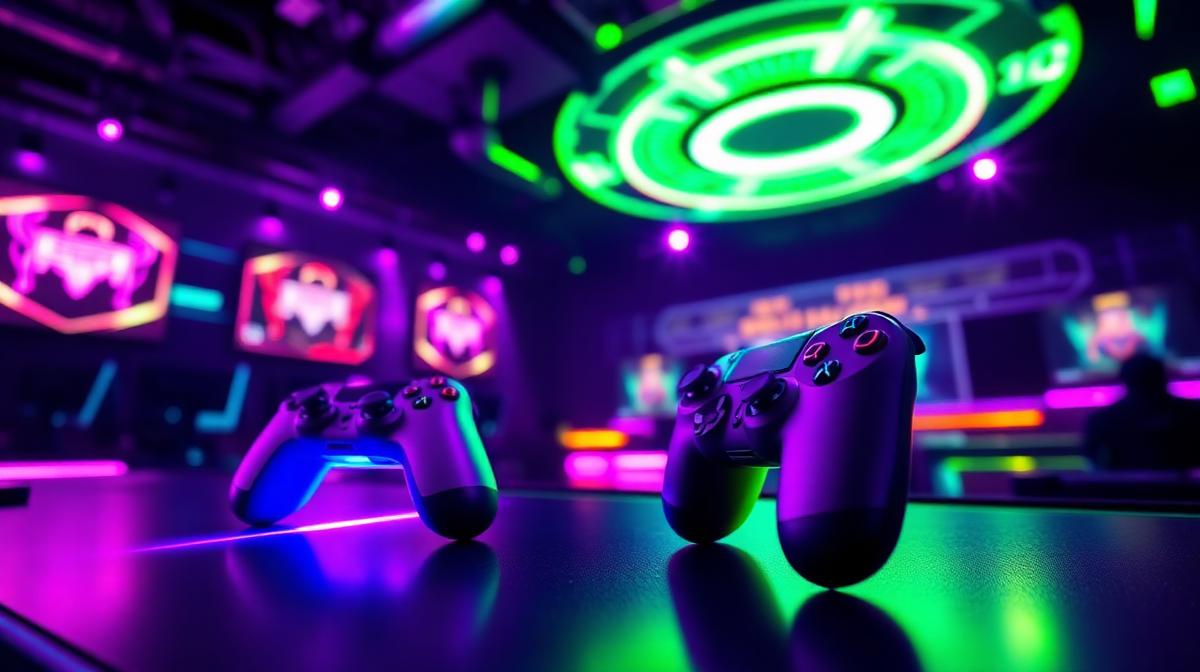
The Psychology of Color in Gaming
Color in gaming isn't just aesthetic — it's functional, emotional, and neurological. Game designers use color to communicate danger, guide navigation, create mood, indicate health status, and trigger emotional responses that keep players engaged for hours. The gaming industry, now worth over $180 billion, has developed some of the most sophisticated color psychology applications in any medium.
Understanding gaming color psychology provides insights applicable to web design, app design, and brand strategy.
Gaming Platform Brand Colors
| Platform | Primary Color | Hex Code | Psychology |
|---|---|---|---|
| PlayStation | Blue | #003791 | Trust + premium |
| Xbox | Green | #107C10 | Energy + action |
| Nintendo | Red | #E60012 | Fun + excitement |
| Steam | Dark Blue | #1B2838 | Depth + immersion |
| Epic Games | Black | #2A2A2A | Sleek + premium |
| Twitch | Purple | #6441A5 | Creative community |
| Discord | Blurple | #5865F2 | Community + fun |
| Roblox | Red | #E2231A | Youth + energy |
| Riot Games | Red | #D32936 | Passion + competition |
The Color War: PlayStation vs. Xbox
The PlayStation (blue) vs. Xbox (green) color rivalry perfectly illustrates brand color psychology. Sony's blue communicates premium reliability, while Microsoft's Xbox green signals energetic action. Nintendo's red says pure fun. Each color perfectly aligns with the brand's target demographic and values.
In-Game Color Systems
Health & Status Indicators
| Indicator | Color | Hex | Universal Meaning |
|---|---|---|---|
| Full health | Green | #00FF00 | Safe / healthy |
| Medium health | Yellow | #FFFF00 | Caution / moderate |
| Low health | Orange | #FF8C00 | Warning / danger |
| Critical health | Red | #FF0000 | Immediate danger |
| Shield/armor | Blue | #0088FF | Protection |
| Poison/toxic | Purple | #8B00FF | Harmful effect |
| Healing | Green glow | #00FF88 | Recovery |
| Mana/magic | Blue/purple | #4400FF | Mystical energy |
This traffic-light system (green → yellow → red) is so deeply ingrained that players understand it instinctively — a principle that translates to web design status indicators.
Item Rarity Color System
Most RPGs and looter games use a standardized rarity hierarchy:
| Rarity | Color | Hex | Perceived Value |
|---|---|---|---|
| Common | Gray/White | #AAAAAA | Basic / ordinary |
| Uncommon | Green | #1EFF00 | Slightly better |
| Rare | Blue | #0070DD | Valuable |
| Epic | Purple | #A335EE | Highly valuable |
| Legendary | Orange/Gold | #FF8000 | Extremely rare |
| Mythic/Exotic | Red/Yellow | #FF0000 | Pinnacle |
This color-value hierarchy has become so standard that it influences luxury branding strategies outside gaming — gold and purple signal premium tiers in SaaS pricing and e-commerce.
Genre-Specific Color Palettes
Horror Games
| Element | Color | Hex | Effect |
|---|---|---|---|
| Dominant atmosphere | Dark desaturated | #1A1A2E | Dread + isolation |
| Blood/danger | Saturated red | #8B0000 | Visceral horror |
| Ghostly elements | Pale blue-white | #C8D8E4 | Ethereal unease |
| Corruption | Sickly green | #3D5C00 | Disease + wrongness |
| Safety zones | Warm amber | #FFB347 | Relief + comfort |
Sci-Fi Games
| Element | Color | Hex | Effect |
|---|---|---|---|
| UI/HUD | Cyan/Neon blue | #00FFFF | Futuristic tech |
| Energy | Electric blue | #00AAFF | Power + technology |
| Alien | Green/Purple | #00FF88 / #9B30FF | Otherness |
| Danger/enemy | Red-orange | #FF4444 | Aggression |
| Space | Deep blue-black | #0A0A2E | Vast emptiness |
Fantasy Games
| Element | Color | Hex | Effect |
|---|---|---|---|
| Nature/elves | Forest green | #228B22 | Life + harmony |
| Fire/dragons | Deep red-orange | #CC4400 | Power + destruction |
| Ice/frost | Light blue | #ADD8E6 | Cold + purity |
| Dark magic | Deep purple | #4B0082 | Forbidden power |
| Holy/divine | Gold-white | #FFD700 | Purity + divine |
Esports Color Psychology
Esports organizations use color strategically for team recognition and fan engagement:
Top Esports Team Colors
| Team/Org | Colors | Hex Codes | Brand Strategy |
|---|---|---|---|
| T1 | Red + White | #E2012D + #FFFFFF | Aggression + purity |
| Cloud9 | Blue + White | #00A3E0 + #FFFFFF | Trust + clarity |
| FaZe Clan | Red + Black | #FF0000 + #000000 | Bold + dominant |
| 100 Thieves | Red + Cream | #C8102E + #F5F0E8 | Streetwear luxury |
| G2 Esports | Black + Red | #1D1D1B + #FF0000 | Edge + power |
| Fnatic | Orange + Black | #FF5900 + #000000 | Energy + sophistication |
Arena & Broadcast Colors
Esports arenas use stadium color psychology principles:
- Stage lighting: Team colors alternate to build atmosphere
- Broadcast overlays: High-contrast for readability on screens
- Crowd engagement: LED wristbands in team colors create visual unity
RGB & Neon: Gaming's Visual Language
The gaming community has embraced RGB lighting as a visual identity. This "rainbow of customization" reflects gaming culture's emphasis on personalization and self-expression.
Gaming Setup Color Trends
| Color Theme | Hex Range | Mood | Popularity |
|---|---|---|---|
| Cyberpunk Purple | #7C3AED - #A855F7 | Futuristic immersion | ⭐⭐⭐⭐⭐ |
| Neon Green | #39FF14 - #00FF41 | Matrix / hacker | ⭐⭐⭐⭐ |
| Ocean Blue | #0077B6 - #00B4D8 | Calm focus | ⭐⭐⭐⭐ |
| Blood Red | #8B0000 - #FF0000 | Aggressive gaming | ⭐⭐⭐ |
| Pink + Blue | #FF69B4 + #00BFFF | Vaporwave aesthetic | ⭐⭐⭐⭐ |
| White/Clean | #FFFFFF - #F0F0F0 | Minimalist pro | ⭐⭐⭐ |
For creating gaming-inspired gradients, try our gradient maker or explore neon colors in digital design.
Color Accessibility in Gaming
Color accessibility is critical — approximately 8% of male players have some form of color vision deficiency:
Colorblind Modes
Modern games implement colorblind-friendly alternatives:
- Deuteranopia mode: Replaces green with blue/yellow
- Protanopia mode: Adjusts red-green contrasts
- Tritanopia mode: Modifies blue-yellow pairs
- Shape + color coding: Never rely on color alone for critical information
Test your gaming UI colors with our colorblind simulator and follow WCAG accessibility guidelines.
Applying Gaming Color Psychology to Web Design
Gaming's color systems offer valuable lessons for web design:
- Status colors: Use green/yellow/red for system states (consistent with user expectations)
- Rarity/tier systems: Apply to SaaS pricing pages — gold for premium tiers
- Feedback colors: Immediate color response to user actions increases engagement
- Atmospheric color: Use color to set emotional tone on landing pages
- Progressive disclosure: Use color intensity to guide attention hierarchy
Build Gaming-Inspired Color Palettes
Create immersive gaming aesthetics with Coloracci:
- AI Color Palette Generator — Generate gaming-inspired palettes
- Gradient Maker — Create neon and cyberpunk gradients
- Mesh Gradient Maker — Build immersive background gradients
- Colorblind Simulator — Test gaming UI accessibility
- Color Contrast Checker — Ensure HUD readability
Gaming color psychology represents some of the most evolved and tested color communication systems in existence. By studying how games use color to guide, excite, and inform players, designers across all industries can create more intuitive and engaging experiences.