Persian & Iranian Color Traditions: From Turquoise Domes to Modern Design
· Coloracci Team
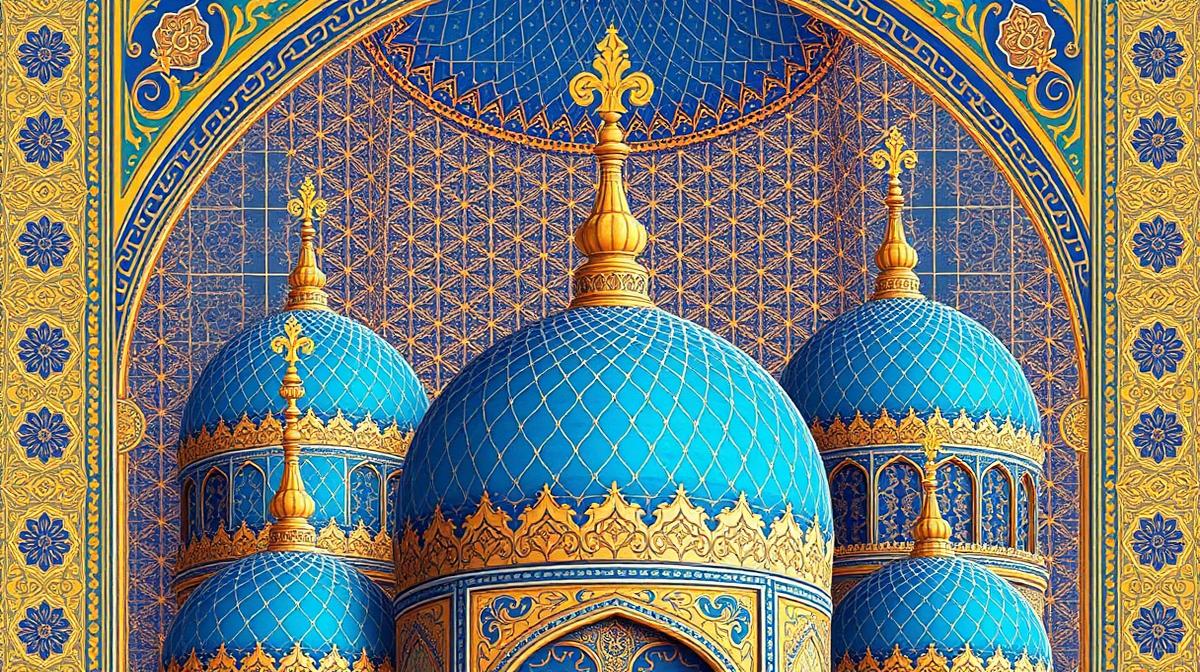
Persian & Iranian Color Traditions: From Turquoise Domes to Modern Design
Persian color tradition spans over 2,500 years, producing some of humanity's most sophisticated and spiritually resonant palettes. From the lapis lazuli blues of Persepolis to the turquoise domes of Isfahan, Iranian color philosophy weaves together Zoroastrian cosmology, Islamic geometry, and an unparalleled mastery of natural pigments.
The Persian Color Philosophy
Zoroastrian Foundations
Before Islam, Zoroastrianism shaped Persian color symbolism:
- White (#FAFAFA): Purity, truth (Asha), and the divine light of Ahura Mazda
- Green (#2E7D32): Nature, paradise, and the prophet Zarathustra
- Gold (#DAA520): The sacred fire, divine illumination, and royal authority
- Blue (#1565C0): Heaven, immortality, and the sky god
- Red (#C62828): Vitality, courage, and the fire of creation
The Seven Colors of Haft Rang
The Iranian tile-making tradition of Haft Rang (literally "seven colors") uses a specific palette that became the foundation of Islamic architectural decoration:
| Color | Persian Name | Hex Code | Symbolism |
|---|---|---|---|
| Turquoise | Firoozeh | #00CED1 | Heaven, protection, immortality |
| Cobalt Blue | Lajvard | #0047AB | Infinity, the divine |
| White | Sefid | #F5F5F5 | Purity, mourning |
| Yellow | Zard | #E6B422 | Sunlight, wealth |
| Green | Sabz | #228B22 | Paradise, Islam, nature |
| Brown/Black | Siah | #3E2723 | Earth, humility |
| Red | Ghermez | #B71C1C | Love, sacrifice, martyrdom |
Isfahan: The Blue City
The Naqsh-e Jahan Square Palette
Isfahan's UNESCO World Heritage sites demonstrate the pinnacle of Persian color application. The Masjed-e Shah (Shah Mosque) uses a palette that designers still study:
Primary Blues:
- Shah Mosque Turquoise: #0097A7
- Deep Lapis: #1A237E
- Sky Cobalt: #1976D2
Accent Colors:
- Calligraphy Gold: #C9A64C
- Floral Yellow: #F9A825
- Vine Green: #388E3C
The Psychology of Persian Blue
Persian blue (#003153) represents more than aesthetics. In Iranian culture, blue:
- Repels the evil eye: Blue beads and decorations are protective talismans
- Represents paradise: The Quran describes heaven with flowing waters under blue skies
- Creates contemplation: The cool wavelength of blue encourages spiritual reflection
- Symbolizes infinity: The vast blue sky connects earthly and divine realms
Persian Miniature Painting
The Manuscript Tradition
Persian miniature paintings (from the 13th-17th centuries) developed one of the world's most refined color systems:
Lapis Lazuli Blue (#26619C): Ground from Afghanistan's Sar-i Sang mines, this was the most precious pigment. Used for skies, royal robes, and borders, its presence indicated the manuscript's value.
Vermillion Red (#E34234): Mercury sulfide provided brilliant reds for flowers, flames, and royal tents. Applied in thin, luminous layers.
Orpiment Yellow (#F5BD1F): Arsenic sulfide created warm golds used for royal crowns, sun rays, and illuminated margins.
Malachite Green (#0BDA51): Copper carbonate produced the distinctive green of paradise gardens—a central motif in Persian art.
Shell Gold (#D4AF37): Actual gold leaf, ground and suspended in gum arabic, was used for calligraphy, halos, and architectural details.
Color Hierarchy in Miniatures
Persian miniaturists used color to communicate social and spiritual hierarchy:
- Gold and lapis blue: Reserved for prophets, kings, and celestial scenes
- Red and green: Used for noble figures and paradise imagery
- Brown and gray: Employed for common people and earthly settings
- Black outlines: Structured every element with precise draftsmanship
Persian Carpet Colors
The Language of Carpet Colors
Persian carpets use color symbolically, with each hue carrying specific meaning:
- Red (#8B1A1A): Joy, happiness, and wealth. Red carpets are associated with hospitality
- Blue (#1B3A5C): Solitude, truth, and heaven. Common in prayer rugs
- Green (#1B5E20): The color of the Prophet Muhammad, paradise gardens, and renewal
- Ivory (#FFFFF0): Purity, cleanliness, and mourning
- Gold (#B8860B): Power, wealth, and glory
- Brown (#5D4037): Earth, fertility, and the harvest
Regional Carpet Palettes
Different weaving centers developed distinctive color signatures:
Tabriz: Rich reds and blues with cream accents—formal and balanced Isfahan: Intricate floral patterns in soft reds, blues, and ivory—refined elegance Kerman: Pastel palette with rose pinks, sage greens, and cream—romantic and delicate Heriz: Bold geometric designs in rust red (#B7410E), navy (#000080), and ivory—dramatic and powerful
The Persian Garden (Bagh) Color System
Chahar Bagh: The Four-Part Garden
The Persian garden tradition, which influenced gardens from the Taj Mahal to Alhambra, uses a specific color vocabulary:
Water features: Reflecting turquoise tiles (#00838F) to intensify the blue of water Stone paths: Warm sandstone (#C4A882) contrasting with cool plantings Flowering zones: Roses (#FF6B81), jasmine (#F5F5DC), and saffron crocus (#FFD700) Shade trees: Deep greens (#1B5E20) of cypress and plane trees
The Garden as Color Model
The Persian garden concept of "paradise enclosed" (from the Old Persian pairi-daeza) provides a design framework:
- Boundary colors: Dark, containing walls (deep brown, black)
- Path colors: Warm neutrals that guide movement
- Feature colors: Cool blues and turquoises at focal points
- Accent colors: Bright florals that draw the eye
This framework translates directly to modern website color design: contain with neutrals, guide with warm tones, focus with cool tones, accent with bright pops.
Modern Persian-Inspired Design
Contemporary Iranian Design Movement
Modern Iranian designers are creating a distinctive visual language that honors tradition while embracing contemporary aesthetics:
- Geometric precision: Islamic geometric patterns translated into digital grids
- Calligraphic fluidity: Persian nastaliq script inspiring organic UI curves
- Color restraint: Using the Haft Rang palette selectively rather than comprehensively
Applying Persian Color Principles
For luxury branding: Combine deep lapis (#1A237E) with gold (#C9A64C)—the classic royal Persian palette For wellness brands: Use turquoise (#00897B) with cream (#FFFDD0)—evoking the peace of Persian gardens For tech companies: Extract the geometric precision of Persian tiles with cobalt blue (#0D47A1) and white (#FFFFFF)
Building Persian-Inspired Palettes
Create authentic Persian color combinations using Coloracci's AI palette tools. Upload images of Persian tiles, carpets, or miniatures to extract their precise color relationships and adapt them for modern digital design.
Explore more cultural color traditions: Middle Eastern Colors, Indian Color Traditions, Mediterranean Coastal Colors, or Chinese Color Culture.