Middle Eastern Color Traditions: From Islamic Art to Contemporary Design
· Coloracci Team
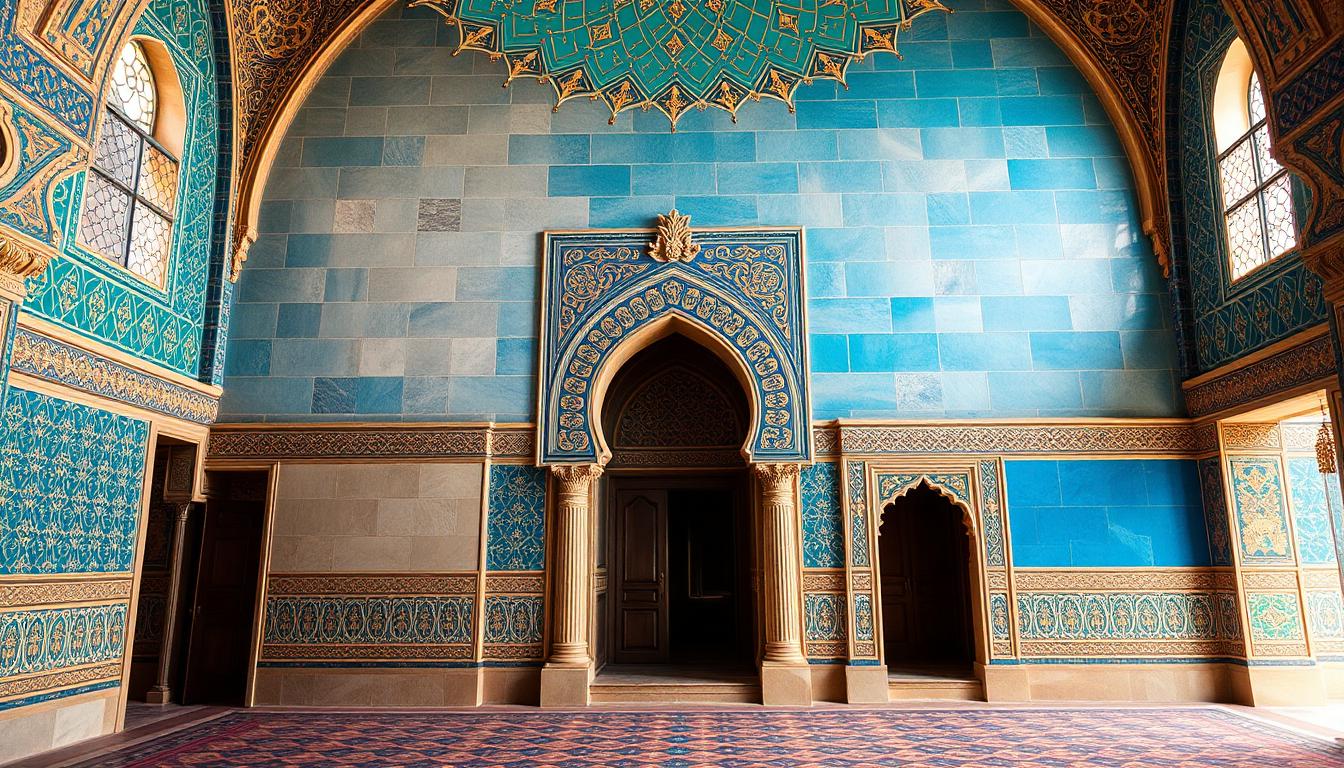
The Middle East's color traditions represent a unique synthesis of Islamic artistic principles, desert environment adaptation, and millennia of cross-cultural exchange along trade routes connecting Asia, Africa, and Europe. From the turquoise domes of Isfahan to the ochre walls of Marrakech, Middle Eastern color practices offer sophisticated lessons in pattern, symbolism, and environmental harmony.
Islamic Color Principles: Geometry and Spirituality
Islamic artistic traditions developed distinctive color approaches shaped by religious principles and mathematical precision. The avoidance of figural representation in religious contexts led to extraordinary innovation in geometric pattern and color relationship.
The Girih Pattern System
Islamic geometric patterns (girih) follow mathematical rules that create infinite complexity from simple repetition. Color in these patterns serves specific functions:
- Structural emphasis: Different colors highlight pattern nodes and connections
- Depth creation: Strategic color variation creates illusion of three-dimensionality
- Rhythmic progression: Color sequences guide the eye through complex patterns
- Symbolic association: Certain colors recur in specific pattern types
The Four Primary Colors of Islamic Art
Traditional Islamic painting and illumination recognize four fundamental colors:
| Color | Source | Symbolic Meaning |
|---|---|---|
| Blue | Lapis lazuli, indigo | Sky, water, divine presence, protection |
| Red | Cinnabar, cochineal | Power, passion, blood, life force |
| Gold | Gold leaf, orpiment | Divine light, paradise, wealth, glory |
| Green | Malachite, verdigris | Nature, paradise, prophet, renewal |
These colors appear in Quranic illumination, architectural tilework, and textile design across the Islamic world.
Persian Color Mastery: The Isfahan School
Persian artistic traditions represent perhaps the most sophisticated color development in Islamic art, with specific techniques for achieving luminous, jewel-like effects.
The Persian Miniature Palette
Persian miniature painting developed a distinctive color vocabulary:
- Persian blue (#1C39BB): Deep, intense ultramarine from lapis lazuli
- Persian red (#CC3333): Warm, slightly orange crimson
- Persian green (#00A693): Balanced blue-green, neither too warm nor too cool
- Persian rose (#FE28A2): Vibrant pink-magenta for flesh and textiles
- Gold illumination: Extensive use of gold leaf for highlights and backgrounds
These colors create the characteristic "Persian luminosity" — paintings that seem to glow from within.
The Turquoise Dome Tradition
The distinctive turquoise tilework of Persian architecture (particularly Isfahan and Shiraz) represents a unique color achievement:
- Ceramic technology: Specific firing techniques create the blue-green color
- Sky reference: Domes colored to mirror the heavens
- Spiritual symbolism: Turquoise as protection and blessing
- Environmental harmony: The color appears naturally in desert skies and distant mountains
The specific shade — often called "Persian turquoise" (#40E0D0) — has become synonymous with Iranian visual identity.
Arabian Peninsula: Desert and Trade Colors
The color traditions of Arabia reflect both the harsh desert environment and the wealth generated by trade and pilgrimage.
The Colors of Trade
Arabian cities — particularly Mecca, Medina, and the ports of the Gulf — developed color traditions reflecting their role in global exchange:
- Indigo from India: Deep blues for textiles and clothing
- Saffron and turmeric: Yellows for food, medicine, and dye
- Crimson cochineal: Expensive reds for elite garments
- Ochre and earth: Local pigments for architecture and pottery
The Kaaba's black covering (kiswa) with gold embroidery represents the ultimate synthesis of these traditions — simplicity and magnificence combined.
Desert Architecture Colors
Traditional Arabian architecture responds to desert conditions through color:
- White and cream: Maximum heat reflection
- Earth tones: Ochre, sand, and clay colors that blend with landscape
- Small windows: Minimizing heat gain and glare
- Internal courtyards: Colorful gardens hidden from exterior view
This architecture creates a distinctive color experience — stark exteriors giving way to lush, colorful interiors.
Levantine Traditions: Syria, Lebanon, and Palestine
The Levant's position as crossroads of civilization created particularly rich and diverse color traditions.
Syrian Textile Heritage
Damascus was renowned for textile production, developing:
- Brocade weaving: Silk and metallic threads creating luxurious patterns
- Ikat dyeing: Resist-dyeing techniques for complex color patterns
- Natural dyes: Local plants and minerals creating distinctive regional palettes
- Color symbolism: Specific hues for different occasions and social classes
Palestinian Embroidery
Palestinian tatreez embroidery uses color in a complex symbolic system:
| Color | Regional Association | Meaning |
|---|---|---|
| Red | All regions | Life, fertility, protection |
| Black | Northern villages | Mourning, strength |
| Green | Coastal areas | Land, hope, agriculture |
| Blue | Southern regions | Sky, sea, protection |
| Yellow | Jordan Valley | Sun, warmth, joy |
Specific patterns and color combinations identify the wearer's village of origin.
Lebanese Cedar and Color
The famous cedar of Lebanon influenced regional color associations:
- Cedar red-brown: The heartwood color, symbol of national identity
- Green foliage: Growth, persistence, and resilience
- White snow: The mountains where cedar grows, purity and elevation
These colors appear throughout Lebanese flag, branding, and design identity.
North African Color: Morocco, Tunisia, and Algeria
North African color traditions blend Islamic, Berber, Mediterranean, and sub-Saharan African influences into distinctive regional palettes.
Moroccan Zellige and Tadelakt
Moroccan craftsmanship developed unique color applications:
- Zellige tilework: Geometric patterns in enamel colors — deep blues, greens, yellows, and blacks
- Tadelakt plaster: Polished lime plaster that creates lustrous, waterproof surfaces in earth tones
- Zouak painting: Wood painted with intricate patterns in red, green, gold, and black
- Chendar leather: Tanned and dyed in distinctive yellows and browns
The famous Moroccan color combination — deep blue (#191970), vibrant yellow (#FFD700), and terracotta (#E2725B) — has become globally iconic.
The Blue Cities
Chefchaouen in Morocco and the traditional neighborhoods of Tunis developed distinctive blue coloration:
- Jewish heritage: Blue as protection and spiritual connection
- Environmental cooling: Blue surfaces stay cooler than darker colors
- Visual unity: Coordinated coloring creates distinctive urban identity
- Tourism appeal: The "blue city" aesthetic drives contemporary travel
Berber Color Traditions
Berber (Amazigh) cultures maintained distinct color practices:
- Silver jewelry: Cool metal tones against warm skin and textiles
- Wool textiles: Natural dyes creating earth-toned patterns
- Tattoo traditions: Blue and black pigments for protective markings
- Flag and symbol: The Amazigh flag uses blue, green, yellow, and red for water, land, sun, and strength
The Symbolism of Key Middle Eastern Colors
Specific colors carry deep meanings across Middle Eastern cultures.
Blue: Protection and the Divine
Blue dominates Middle Eastern color symbolism:
- Evil eye protection: Blue amulets and blue beadwork ward off harmful gaze
- Mosque domes: Turquoise and azure tiles reference sky and heaven
- Majorelle Blue: The famous garden in Marrakech popularized this specific shade
- Iznik ceramics: Ottoman pottery developed distinctive cobalt blue patterns
The prevalence of blue reflects both practical desert considerations (cooling, sky reference) and spiritual protection beliefs.
Green: Paradise and the Prophet
Green holds special significance in Islamic contexts:
- Prophet Muhammad: Associated with green in Islamic tradition
- Paradise imagery: Quranic descriptions of heavenly gardens
- Saudi flag: Green background with white script
- Libyan flag (historical): Pure green represented Gaddafi's political philosophy
Green appears throughout mosque decoration, religious textiles, and national symbolism.
Gold: Divine Light and Wealth
Gold serves both sacred and secular functions:
- Quranic illumination: Gold leaf for sacred text decoration
- Palace decoration: Gilded surfaces signaling wealth and power
- Jewelry: Personal adornment and wealth storage
- Brass and bronze: More accessible metallic alternatives
The restraint of Islamic art paradoxically emphasizes gold — when figural representation is limited, calligraphy and geometric patterns in gold become the primary luxury.
Red: Power and Celebration
Red appears in multiple contexts:
- Celebration: Wedding decorations, festive clothing
- Warning and danger: Traffic and safety signage
- Political symbolism: Various revolutionary and national flag uses
- Traditional textiles: Moroccan carpets, Palestinian embroidery
The warmth of red contrasts with the cool blues and greens that dominate Islamic visual culture.
Contemporary Middle Eastern Design
Contemporary designers across the Middle East are reinterpreting traditional color for modern contexts.
Architectural Innovation
Recent architectural projects draw on color heritage:
- Jean Nouvel's Louvre Abu Dhabi: Dome filtering light through Islamic geometric patterns
- Zaha Hadid's projects: Fluid forms referencing desert landscapes and water
- Traditional material revival: Rammed earth, colored concrete, local stone
Fashion and Textile Design
Middle Eastern fashion increasingly draws on color traditions:
- Modest fashion: Colorful abayas and hijabs beyond basic black
- Luxury brands: Qatar and UAE-based designers using traditional palettes
- Streetwear: Young designers mixing Islamic patterns with contemporary aesthetics
- Textile preservation: Reviving traditional dyeing and weaving techniques
Digital and Graphic Design
Middle Eastern digital design develops distinctive color approaches:
- Arabic typography: Calligraphy-inspired fonts with traditional color
- Islamic geometric patterns: Algorithmic generation of traditional motifs
- Cultural branding: Using color to signal regional identity in global markets
- UI/UX patterns: Adapting color preferences for Middle Eastern users
Color in Contemporary Middle Eastern Identity
National and cultural identity across the Middle East increasingly uses color strategically.
National Flag Colors
Middle Eastern flags reveal political and cultural values through color:
- Pan-Arab colors: Red, white, black, and green appear across multiple national flags
- Iran: Green, white, and red with Islamic emblem
- Turkey: Red and white crescent and star
- Israel: Blue and white with Star of David
These colors carry historical and ideological weight beyond simple identification.
City Branding
Major Middle Eastern cities develop color identities:
- Dubai: Gold, white, and blue representing luxury, purity, and sea
- Doha: Maroon (the distinctive Qatar national color)
- Cairo: Warm earth tones reflecting desert and ancient stone
- Istanbul: Blue and turquoise referencing the Bosphorus
Cultural Diplomacy
Color becomes a tool of soft power:
- Museum architecture: Louvre Abu Dhabi, Mathaf, and others use color to bridge traditions
- Expo pavilions: National presentations using color strategically
- Fashion diplomacy: Traditional dress colors at international events
- Sports events: FIFA World Cup Qatar 2022 deployed color systematically
Design Lessons from Middle Eastern Color
Contemporary designers can learn from Middle Eastern color traditions:
Pattern and Repetition
Islamic geometric patterns teach:
- Infinite complexity from simple elements
- Color as structural element, not mere decoration
- The power of restraint and precision
- Rhythm and visual music through repetition
Material Authenticity
Middle Eastern craftsmanship emphasizes:
- Natural materials and their inherent colors
- Traditional techniques for color application
- The beauty of imperfection and handmade variation
- Long-term durability over temporary trends
Environmental Harmony
Desert architecture demonstrates:
- Color responding to climate and environment
- Contrast between exterior austerity and interior richness
- Light as active design element
- Privacy and display as complementary needs
Spiritual Dimension
Islamic art reveals:
- Color as spiritual technology
- The relationship between geometric order and divine presence
- Modesty and magnificence as compatible values
- Calligraphy and pattern as alternative to figural representation
Using Middle Eastern Colors Today
Designers drawing on Middle Eastern color traditions should:
- Study the mathematics: Islamic geometric patterns follow precise rules
- Respect the symbolism: Colors carry meanings that persist across centuries
- Consider the environment: Desert colors respond to specific climatic conditions
- Acknowledge sources: Credit the traditions that inspire contemporary work
- Avoid stereotypes: Move beyond orientalist clichés to genuine engagement
The goal is meaningful dialogue between tradition and innovation, not superficial appropriation.