Nightclub & Bar Color Psychology: How Lighting, Interior Palettes & Ambiance Drive Dwell Time and Spending
· Coloracci Team
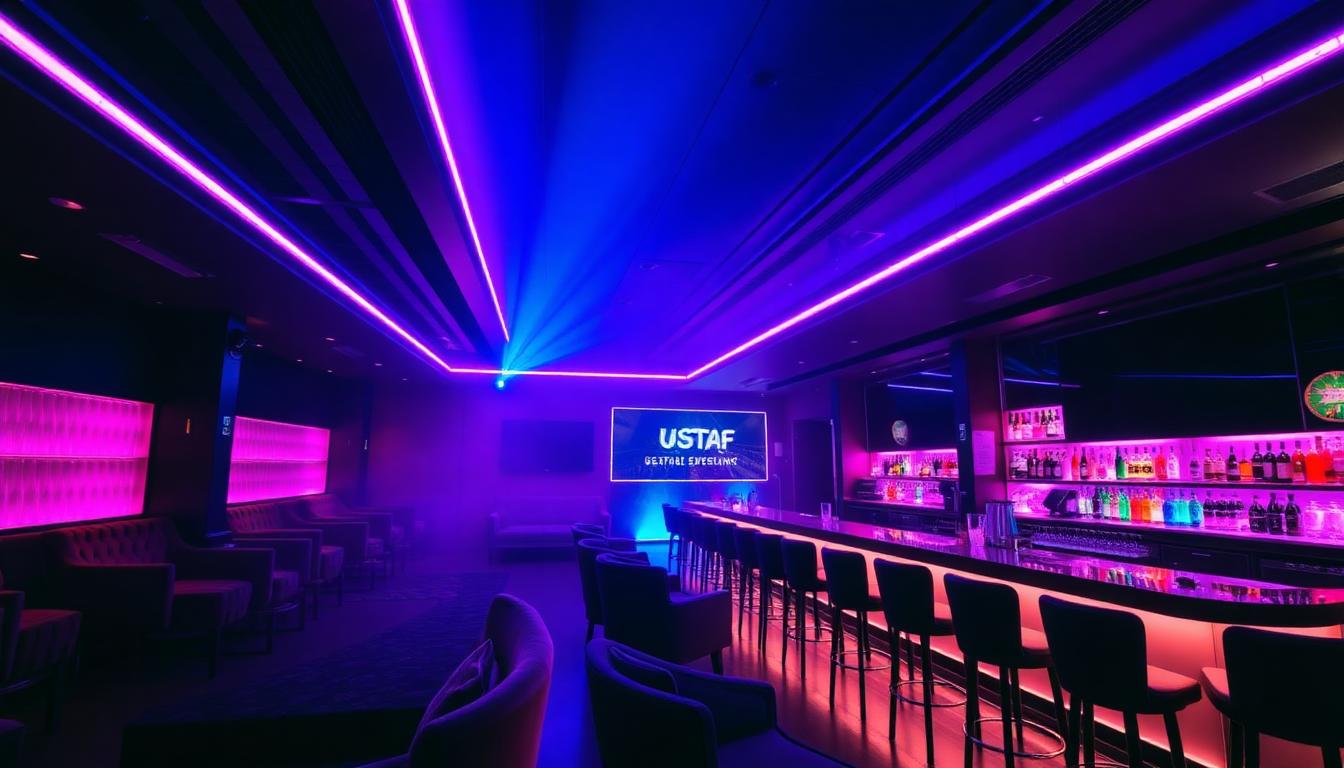
The moment a guest steps through the entrance of a nightclub or bar, every color in the environment begins shaping their behavior—how long they stay, how much they drink, how generous they tip, and whether they return next weekend. Nightclub and bar color psychology is one of the most commercially impactful applications of environmental color design, where the right lighting palette can mean the difference between a venue that thrives and one that empties by midnight.
Research from the International Journal of Hospitality Management reveals that ambient lighting color accounts for up to 24% of the variance in customer dwell time and directly correlates with average spending per visit. Yet most venue owners choose lighting and interior colors based on personal taste rather than behavioral science. This comprehensive guide explores how strategic color design transforms nightlife spaces into revenue-generating environments that keep guests dancing, drinking, and coming back.
The Science of Color in Low-Light Environments
Nightclubs and bars operate in a fundamentally different visual environment than daytime venues. In low-light conditions, human color perception shifts dramatically through a phenomenon called the Purkinje effect—our eyes become more sensitive to blue-green wavelengths and less sensitive to red-orange ones as ambient light decreases.
How the Eye Adapts to Darkness
In scotopic (low-light) vision, rod cells dominate over cone cells. This means:
| Lighting Condition | Dominant Receptors | Best Perceived Colors | Worst Perceived Colors |
|---|---|---|---|
| Bright daylight (photopic) | Cones | Red, orange, yellow | — |
| Dim ambient (mesopic) | Cones + rods | Blue-green, violet | Deep red |
| Near-darkness (scotopic) | Rods | Blue, cyan | Red (nearly invisible) |
This has profound implications for nightclub design. A red accent wall that looks stunning during daytime setup may virtually disappear once the lights go down. Conversely, blue and violet lighting becomes disproportionately powerful in dark environments, which explains why ultraviolet and blue LEDs dominate modern club aesthetics.
Color Temperature and Arousal Levels
Research published in Lighting Research & Technology demonstrates that color temperature directly modulates the autonomic nervous system:
- Cool colors (4000K+): Increase alertness, energy, and physical activity—ideal for dance floors
- Warm colors (2700K–3000K): Promote relaxation, intimacy, and longer conversations—perfect for lounge seating
- Ultra-warm (1800K–2200K): Create a sense of luxury and exclusivity—optimal for VIP areas and premium cocktail bars
The most successful venues don't choose one temperature—they zone their color temperatures to guide behavior through different areas of the space.
The Color Palette Playbook for Nightlife Venues
Deep Violet & Ultraviolet (#7B2FBE / #3D0066)
Violet sits at the intersection of energy and mystery, making it the quintessential nightclub color. Psychologically, violet triggers associations with:
- Exclusivity and luxury (historically the most expensive dye)
- Altered states and transcendence (the color of spiritual experience)
- Creative energy and uninhibited expression
UV (blacklight) lighting adds a functional dimension: it makes white clothing and certain fabrics glow, creating a visual spectacle that encourages photo-sharing on social media. Venues like Hakkasan Las Vegas and Berghain Berlin use violet as their signature atmospheric color.
Application: Use deep violet (#3D0066) as the dominant ceiling and wall wash color at 60% intensity during peak hours. Layer with UV strips at bar edges and along architectural features.
Electric Blue & Cyan (#0066FF / #00D4FF)
Blue is the most universally liked color across cultures and genders, and in nightlife settings it serves dual purposes:
| Blue Shade | Hex Code | Psychological Effect | Best Use |
|---|---|---|---|
| Royal Blue | #0066FF | Trust, sophistication | Main bar back-lighting |
| Electric Cyan | #00D4FF | Energy, futurism | Dance floor washes |
| Ice Blue | #B3E5FC | Coolness, refreshment | Restroom accent lighting |
| Deep Navy | #0A1628 | Intimacy, depth | Lounge area base lighting |
Blue lighting has been shown to slow perceived time passage by up to 15%, meaning guests feel like they've been at the venue for less time than they actually have—directly increasing dwell time and drink orders.
Hot Pink & Magenta (#FF1493 / #FF00FF)
Pink and magenta create an atmosphere of playfulness, romance, and approachability. These colors are particularly effective in venues targeting mixed-gender audiences:
- Hot pink (#FF1493): Energetic, flirtatious, Instagram-friendly
- Magenta (#FF00FF): Bold, confident, gender-neutral appeal
- Blush (#FFB6C1): Soft, romantic, ideal for date-night cocktail bars
Research from Cornell Hospitality Quarterly found that venues incorporating pink accent lighting saw a 17% increase in cocktail orders compared to those using only blue or white lighting—likely because pink enhances the visual appeal of drinks and creates a more sociable atmosphere.
Amber & Gold (#FFB300 / #D4A017)
Warm amber and gold tones are the secret weapons of premium cocktail bars and speakeasy-style venues:
- Amber (#FFB300): Creates the "golden hour" effect that flatters skin tones and makes everyone look more attractive
- Gold (#D4A017): Signals premium quality and justifies higher price points
- Honey (#F0B775): Warm and inviting without being overtly luxurious
The flattering quality of amber light is not subjective—studies confirm that warm lighting reduces the visibility of skin imperfections and creates more even-looking complexions. When people feel they look good, they stay longer and spend more.
Crimson Red Accents (#DC143C)
Red is a high-arousal color that should be used strategically and sparingly in nightlife venues:
- Increases heart rate and perceived energy levels
- Stimulates appetite (beneficial for food-serving bars)
- Can create aggression if overused—linked to higher incidence of confrontations
- Most effective as 10% accent rather than dominant color
Warning: Research from the Journal of Environmental Psychology found that venues with more than 30% red lighting experienced 23% more aggressive incidents than those using red as an accent color only. The 60-30-10 rule is critical here: red should always be the 10%.
Zone-Based Color Strategy: The Revenue Maximizer
The most profitable nightlife venues treat color as an architectural tool, using distinct palettes to create behavioral zones that guide guests through a journey of increasing engagement and spending.
Zone 1: The Entrance & Queue (#1A1A2E → #16213E)
The transition from street to venue is psychologically critical. The entrance should create a sense of threshold crossing—moving from the ordinary world into something special.
- Color strategy: Deep navy-to-indigo gradient (#1A1A2E → #16213E)
- Lighting: Minimal, with one dramatic accent (logo projection or neon sign)
- Purpose: Build anticipation, create sense of exclusivity
- Revenue impact: Venues with dramatic entrances report 30% higher perceived value
Zone 2: The Main Bar (#FFB300 + #0066FF)
The bar is the revenue center. Its lighting must simultaneously attract attention, make drinks look appealing, and create a comfortable ordering environment.
| Element | Color | Purpose |
|---|---|---|
| Back bar shelving | Warm amber (#FFB300) | Makes bottles glow, signals premium spirits |
| Bar top | Cool blue underglow (#0066FF) | Draws attention, creates visual contrast |
| Bartender lighting | Warm white (3000K) | Ensures accurate drink preparation |
| Menu/signage | Soft white (#F5F5DC) | Ensures readability without breaking ambiance |
The warm-cool contrast at the bar creates what designers call a "beacon effect"—the bar becomes the most visually interesting point in the room, naturally drawing foot traffic and drink orders.
Zone 3: The Dance Floor (#7B2FBE + #00D4FF + #FF00FF)
The dance floor requires the most dynamic and energetic color palette, synchronized with music for maximum sensory impact:
- Base wash: Deep violet (#7B2FBE) at 40% intensity
- Beat-synced accents: Electric cyan (#00D4FF) and magenta (#FF00FF) strobing
- Fog/haze interaction: Colors become volumetric, filling 3D space
- Peak moments: White strobe bursts for drops and climaxes
Research shows that beat-synchronized lighting increases perceived music quality by 31% and dance floor occupancy by 22%. The color choices matter: cool-toned synchronization (blue-purple-cyan) maintains energy longer than warm-toned (red-orange-yellow), which causes faster fatigue.
Zone 4: VIP & Lounge Areas (#D4A017 + #3D0066)
VIP areas must feel distinctly different from the main floor—quieter, more exclusive, and more luxurious. The color palette shifts dramatically:
- Dominant: Deep gold (#D4A017) and rich purple (#3D0066)
- Intensity: 30-40% lower than main floor
- Temperature: Ultra-warm (1800K–2200K)
- Key principle: Guests should feel they've entered a different world
The psychological effect is powerful: lower light intensity combined with warm, rich colors triggers perceptions of exclusivity that justify 200-400% price premiums on the same drinks served at the main bar.
Zone 5: Restrooms (#B3E5FC + 4000K White)
Often overlooked, restroom lighting has a measurable impact on guest satisfaction and return visits:
- Color strategy: Clean, cool blue-white (#B3E5FC accent with 4000K ambient)
- Purpose: Brightness reset, hygiene perception, selfie-friendly
- Mirror lighting: Flattering warm-white LEDs at face height
- Revenue impact: Instagram-worthy restrooms generate free social media marketing
Color and Cocktail Sales: The Drink Connection
The relationship between ambient color and drink orders is more direct than most venue owners realize.
How Lighting Colors Affect Drink Choices
| Ambient Color | Drink Preference Shift | Avg. Spend Impact |
|---|---|---|
| Warm amber/gold | Premium spirits, whiskey, old fashioneds | +18% per order |
| Cool blue | Vodka, gin, clear spirits, martinis | +8% per order |
| Pink/magenta | Rosé, fruity cocktails, champagne | +22% per order |
| Green accents | Mojitos, absinthe, herbal cocktails | +12% per order |
| Red accents | Red wine, bloody marys, negronis | +15% per order |
Pink lighting drives the highest per-order spending increase because it's associated with celebration and indulgence—guests in pink-lit environments are more likely to order premium cocktails and bottle service.
Backlit Bottle Display Psychology
The back bar bottle display is the venue's silent salesperson. Strategic lighting transforms it:
- Bottom-lit shelves: Create a "glowing" effect that makes every bottle look premium
- Color-matched lighting: Amber behind whiskey, blue behind vodka, green behind gin
- Top-shelf spotlight: Warm white spots on premium bottles draw eye upward to highest-margin products
- Dynamic color shifts: Slowly cycling colors keep the display visually interesting without being distracting
Seasonal & Event-Based Color Programming
Smart venues don't keep the same color palette year-round. Dynamic LED systems allow seasonal and event-based color shifts:
Weekly Color Rotation
| Night | Primary Color | Secondary | Mood Target |
|---|---|---|---|
| Thursday (industry night) | Deep blue (#0A1628) | Amber (#FFB300) | Sophisticated, insider |
| Friday (mainstream) | Violet (#7B2FBE) | Magenta (#FF00FF) | High-energy, celebratory |
| Saturday (peak) | Dynamic cycling | Full spectrum | Maximum excitement |
| Sunday (recovery) | Warm gold (#D4A017) | Soft pink (#FFB6C1) | Laid-back, intimate |
Special Event Color Schemes
- New Year's Eve: Gold (#FFD700) + Silver (#C0C0C0) + Champagne (#F7E7CE)
- Halloween: Orange (#FF6600) + Purple (#6A0DAD) + Green (#39FF14)
- Valentine's Day: Deep red (#8B0000) + Pink (#FF69B4) + Gold (#FFD700)
- Pride events: Full rainbow spectrum with dynamic cycling
The Technology Behind Modern Nightclub Lighting
LED vs. Traditional Lighting
Modern nightclubs have universally adopted LED technology for several reasons:
- Color range: 16.7 million colors vs. limited gel options
- Energy efficiency: 80% lower power consumption
- Heat reduction: Critical in crowded venues
- DMX control: Precise, programmable, music-synchronized
- Longevity: 50,000+ hours vs. 1,000 for traditional bulbs
Smart Lighting Systems
The latest venue lighting systems incorporate:
- Beat detection: Algorithms analyze music BPM and frequency to sync color changes
- Crowd density sensors: Adjust intensity based on occupancy
- Time-based programming: Gradual shifts that match the energy arc of the evening
- Mobile control: Managers can adjust colors in real-time via app
Common Color Mistakes in Nightlife Design
Mistake 1: Uniform Lighting Throughout
Using the same color and intensity everywhere eliminates the behavioral zoning that drives revenue. Every area should feel distinct.
Mistake 2: Over-Relying on Red
Red creates excitement but also aggression. More than 10% red coverage correlates with increased security incidents and shorter dwell times.
Mistake 3: Ignoring the Purkinje Effect
Designers who plan colors under full daylight conditions are often disappointed when their carefully chosen warm reds become invisible in actual operating conditions.
Mistake 4: Neglecting Transition Zones
Abrupt color changes between zones are disorienting. Use 3-5 second gradual transitions and physical buffer spaces between dramatically different color zones.
Mistake 5: Static Palettes All Night
Guest energy follows an arc: arrival → warmup → peak → plateau → wind-down. Lighting should mirror this progression, starting warmer and more relaxed, building to peak energy colors, then softening for last call.
Case Studies: Color-Driven Venue Success
The Speakeasy Effect: Warm Amber Revolution
A cocktail bar in Brooklyn redesigned its lighting from cool white fluorescents to a warm amber palette (2200K–2700K) with copper accents. Results after 6 months:
- Average dwell time: +42 minutes (from 68 to 110 minutes)
- Average spend per guest: +34% ($47 to $63)
- Return visit rate: +28%
- Social media mentions: +156%
The Megaclub Overhaul: Zone-Based Color Strategy
A 2,000-capacity nightclub in Miami implemented a five-zone color strategy with DMX-controlled LEDs. Results:
- Dance floor occupancy: +22% during peak hours
- VIP bottle service revenue: +47%
- Guest satisfaction scores: +31%
- Security incidents: -19% (reduced red lighting)
Practical Implementation Guide
Budget Tiers for Color Upgrades
| Budget Level | Investment | Key Changes | Expected ROI |
|---|---|---|---|
| Basic ($2K–$5K) | LED strip retrofits | Bar backlighting, accent strips | 3-6 months |
| Mid-range ($10K–$25K) | Zone-based LED system | Full DMX control, 3-4 zones | 4-8 months |
| Premium ($50K+) | Complete lighting overhaul | Smart system, beat-sync, all zones | 6-12 months |
Quick Wins for Immediate Impact
- Replace back bar fluorescents with warm amber LED strips ($200–$500)
- Add UV strips to dance floor edges ($100–$300)
- Install color-changing LED bulbs in restroom fixtures ($50–$150)
- Use colored gel wraps on existing fixtures for zone differentiation ($20–$50)
Designer Tips: Color Psychology Checklist for Nightlife Venues
✅ Map your venue into 4-5 behavioral zones before choosing any colors
✅ Use the 60-30-10 rule: 60% dominant mood color, 30% supporting contrast, 10% high-energy accent
✅ Install warm amber (2200K) lighting at the bar—it flatters skin and makes drinks glow
✅ Keep red below 10% of total light coverage to avoid aggression spikes
✅ Sync dance floor colors to music BPM for 31% higher perceived music quality
✅ Create Instagram-worthy restroom lighting—it's free marketing
✅ Program gradual color arcs that mirror the energy of the evening
✅ Test all colors at actual operating light levels, not during daytime setup
✅ Use deep violet/UV as your go-to "nightclub" color—it works in low light and creates visual spectacle
✅ Invest in DMX control—manual color changes can't match the precision of automated systems
Conclusion: Color as Revenue Driver
In the competitive nightlife industry, color isn't decoration—it's strategy. The venues that treat lighting and interior color as behavioral tools consistently outperform those that choose colors based on aesthetics alone. From the warm amber glow that keeps cocktail bar guests ordering "just one more" to the beat-synced violet washes that pack dance floors, every color choice either makes or costs money.
The data is clear: strategic color design can increase average dwell time by 30-40%, boost per-guest spending by 15-35%, and reduce security incidents by nearly 20%. For venue owners and designers, understanding nightclub and bar color psychology isn't just interesting—it's essential for survival in an industry where atmosphere is the product.
Start with the zones. Choose your colors based on behavior, not beauty. Test everything at operating light levels. And remember: in nightlife, the best color is the one that keeps them dancing, drinking, and coming back next weekend.
Want to create the perfect nightclub or bar color palette? Try our AI Color Palette Generator to explore lighting combinations, or use the Color Contrast Checker to ensure your signage remains readable in low-light conditions. For more hospitality color insights, explore our Hospitality Design Hub or read about Restaurant Color Psychology, Casino Floor Color Psychology, and Coffee Shop Color Psychology.