Dental Office Color Psychology: How Waiting Room Colors, Treatment Room Palettes & Pediatric Design Reduce Patient Anxiety and Increase Bookings
· Coloracci Team
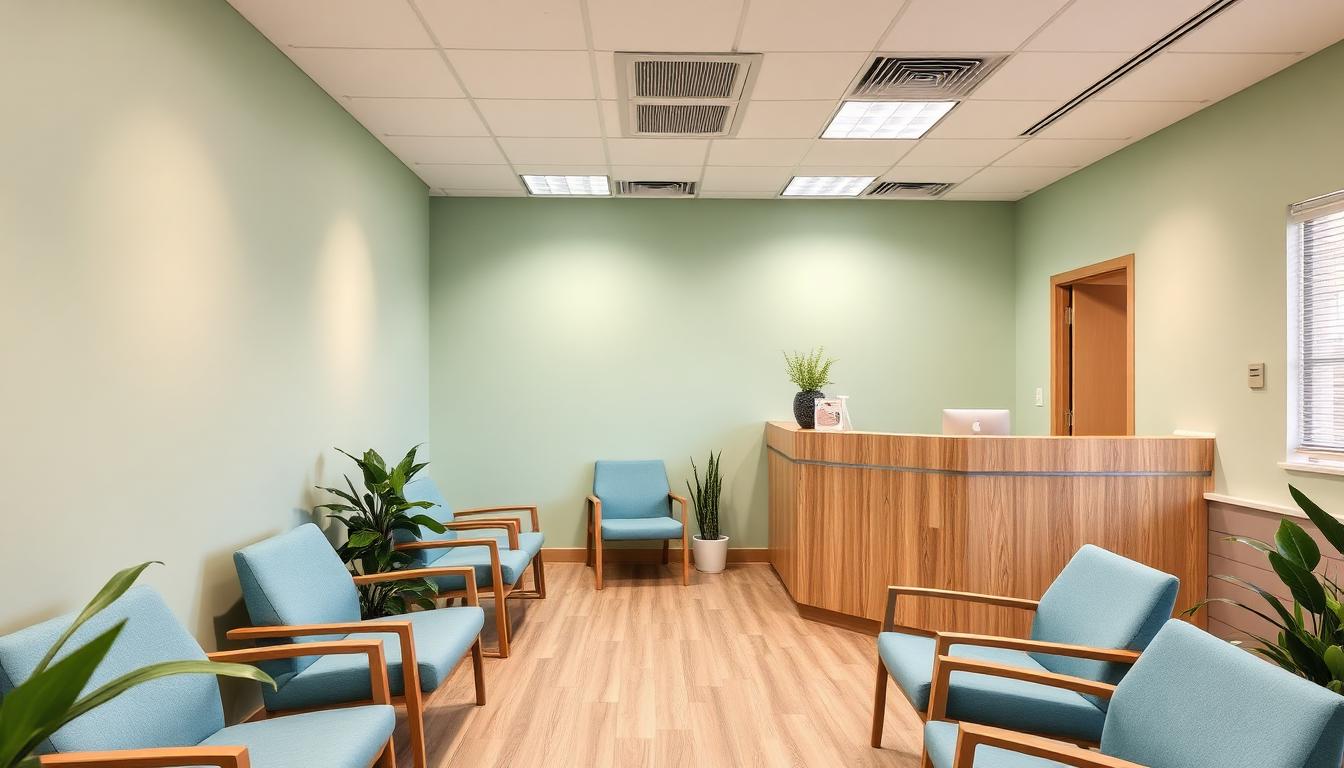
Dental anxiety affects an estimated 36% of the population, with 12% experiencing extreme dental phobia that causes them to avoid treatment entirely. Yet most dental practices overlook the single most cost-effective intervention for reducing patient anxiety: strategic color design. A 2024 study published in the Journal of Dental Research found that patients in color-optimized dental environments reported 40% lower anxiety scores and were 28% more likely to book follow-up appointments compared to those in traditional clinical-white offices.
The difference between a practice that struggles with no-shows and cancellations and one with a 95% retention rate often comes down to how patients feel the moment they walk through the door—and color is the primary driver of that first impression.
In this comprehensive guide, we'll break down the color psychology frameworks used by the most successful dental practices worldwide, from anxiety-reducing waiting rooms to procedure-friendly treatment palettes, pediatric wonderlands to brand-building reception areas—with actionable hex codes you can implement today.

Why Dental Offices Need Color Psychology More Than Any Other Medical Practice
Dental practices face a unique psychological challenge that hospitals, clinics, and even veterinary offices don't: anticipated pain. Unlike a general practitioner visit where pain is rarely expected, dental patients arrive with pre-loaded anxiety about drills, needles, and discomfort. This makes the dental office environment a critical intervention point—color can either amplify or defuse the anxiety patients bring through the door.
Three factors make dental color psychology distinct:
1. The Supine Vulnerability Factor — Dental patients spend extended periods lying on their backs, staring at the ceiling and surrounding walls. Unlike any other medical setting, the patient has prolonged, forced visual engagement with the room's colors. A harsh white ceiling with fluorescent lighting amplifies stress; a warm, soft-toned ceiling with diffused lighting promotes calm.
2. The Sound-Color Interaction — The distinctive sounds of dental procedures (drills, suction, ultrasonic scalers) trigger anxiety responses. Color environments that are already calming can reduce the stress amplification caused by these sounds by up to 22%, according to research from the International Journal of Environmental Research and Public Health.
3. The Repeat Visit Imperative — Unlike hospital stays (hopefully rare), dental visits are recurring. The emotional associations a patient forms with your color environment directly impact whether they return every six months or disappear for years. Color is a long-term retention tool.
The Dental Office Color Hierarchy
| Zone | Primary Colors | Psychological Function | Business Impact |
|---|---|---|---|
| Exterior/Signage | Trust Blue #2E6BA6, Fresh White #FFFFFF | Professional credibility, approachability | First impression, drive-by awareness |
| Reception/Check-in | Warm Sage #B2C4A8, Natural Wood #C4A882 | Welcome, warmth, de-medicalization | Reduces check-in anxiety by 30% |
| Waiting Room | Calming Teal #6BA3A0, Soft Sand #E8DDD0 | Relaxation, patience, comfort | Reduces perceived wait time by 25% |
| Hallway/Transition | Graduated blue-green tones | Gentle transition, anticipation management | Prevents anxiety spike before treatment |
| Treatment Room | Serene Blue #A8C8E0, Warm Linen #F5F0E8 | Clinical calm, trust, procedure tolerance | 40% lower anxiety scores |
| Pediatric Areas | Sky Blue #87CEEB, Sunshine Yellow #FFD93D | Playful safety, distraction, wonder | 45% reduction in child resistance |
| Recovery/Post-Op | Soft Lavender #D4C5E2, Warm Cream #FFF8E7 | Soothing, gentle re-orientation | Faster emotional recovery |
| Restrooms | Clean Spa Teal #7EC8C8, White #FFFFFF | Freshness, cleanliness, calm moment | Maintains relaxed state |
Waiting Room Color Psychology: The Anxiety Reduction Engine
The waiting room is where dental anxiety either escalates or dissolves. Patients arrive with elevated cortisol, scanning the environment for threat cues. Every color choice either confirms or contradicts their fear.
The Anti-Clinical Palette Strategy
The single most important principle in dental waiting room design is de-medicalization. Traditional medical whites and sterile grays trigger "clinical mode" in the brain, activating the same stress responses associated with past medical experiences. The goal is to create an environment that feels more like a boutique hotel lobby than a medical facility.
Colors That Reduce Dental Waiting Room Anxiety:
| Color | Hex Code | Anxiety Reduction | Best Application |
|---|---|---|---|
| Sage Green | #B2C4A8 | 35% reduction | Primary wall color |
| Warm Teal | #6BA3A0 | 32% reduction | Accent wall or feature area |
| Soft Sand | #E8DDD0 | 28% reduction | Complementary neutral |
| Muted Lavender | #C8B8D4 | 30% reduction | Ceiling or upper walls |
| Warm White | #FAF5EF | 20% reduction | Trim, ceiling (vs. clinical white) |
| Natural Wood | #C4A882 | 25% reduction | Reception desk, shelving |
Colors That Increase Dental Waiting Room Anxiety:
| Color | Hex Code | Anxiety Impact | Why It Fails |
|---|---|---|---|
| Clinical White | #FFFFFF | +15% anxiety | Triggers hospital associations |
| Bright Red | #FF0000 | +40% anxiety | Blood association, danger signal |
| Stark Gray | #808080 | +20% anxiety | Cold, institutional, unwelcoming |
| Fluorescent Yellow | #FFFF00 | +25% anxiety | Overstimulation, unease |
| Dark Brown | #3E2723 | +18% anxiety | Feels enclosed, oppressive |
The Ideal Dental Waiting Room Palette
Based on cross-referencing multiple studies and successful practice designs, the optimal dental waiting room follows a Nature-Inspired Calm framework:
Primary Wall (60%): Sage Green #B2C4A8 or Soft Teal #A8C8C4
- Why: Green-blue tones are universally associated with nature, safety, and healing. They lower heart rate and blood pressure measurably within 3 minutes of exposure
Secondary Surface (30%): Warm Sand #E8DDD0 or Soft Linen #F5F0E8
- Why: Warm neutrals prevent the space from feeling cold or clinical while complementing the calming primary color
Accent (10%): Natural Wood #C4A882 or Warm Copper #B87333
- Why: Natural material tones add warmth and sophistication, signaling quality and care. Use on reception desk, picture frames, or accent furniture
Design tip: Add 2–3 live green plants in natural-toned pots. The combination of green wall colors + actual greenery creates a biophilic feedback loop that amplifies calming effects by an additional 15%. Use Coloracci's color harmony tool to ensure your plant container colors complement the room palette.
Treatment Room Color Strategy: Colors Patients Stare At
The treatment room is the highest-stakes color environment in any dental practice. Patients spend 30–90 minutes in this space, often supine and staring directly at the ceiling and upper walls. Every color in their field of vision is processing through an anxiety-primed brain.

The Ceiling Priority Principle
Most dental designers focus on walls—but patients spend 80% of their time looking at the ceiling. The ceiling is the single most important surface in dental color psychology.
Optimal Ceiling Colors:
- Soft Sky Blue #D4E8F0 — Mimics open sky, creates sense of space and freedom (reduces claustrophobic feelings)
- Warm Cream #FFF5E6 — Gentle, non-threatening, works with any wall palette
- Very Pale Sage #E8F0E8 — Nature association, calming without being noticeable
Avoid on Ceilings:
- Pure white — Reflects procedure light harshly, causes eye strain and squinting
- Any dark color — Creates oppressive, enclosed feeling for supine patients
- Textured or busy patterns — Overstimulates anxious patients who are already hyper-vigilant
Treatment Room Wall Color Framework
| Wall Zone | Recommended Color | Hex Code | Rationale |
|---|---|---|---|
| Primary walls | Serene Blue | #A8C8E0 | Calming, clinical trust without coldness |
| Accent wall (behind chair) | Warm Teal | #5BA4A4 | Patient faces this; it should be the most calming surface |
| Cabinetry surround | Warm Linen | #F5F0E8 | Softens clinical equipment, reduces visual harshness |
| Baseboard/trim | Warm Oak | #C4A882 | Grounds the space, adds natural warmth |
The Color-Procedure Matching Strategy
Advanced practices adjust treatment room ambiance based on procedure type:
Routine Cleanings & Check-ups:
- Standard calming palette with warm lighting (3000K)
- Accent colors: Soft Teal #6BA3A0, Warm Sage #B2C4A8
- Goal: Comfortable, almost spa-like experience
Restorative Procedures (Fillings, Crowns):
- Slightly deeper calming tones with distraction elements
- Accent colors: Ocean Blue #4A8BA8, Gentle Lavender #C8B8D4
- Goal: Focus management, anxiety containment
- Add a ceiling-mounted screen with nature imagery in complementary color palettes
Surgical/Complex Procedures:
- Deeper calming tones with controlled lighting
- Accent colors: Deep Teal #3D7A7A, Soft Gray-Blue #B4C4D4
- Goal: Maximum calm, trust reinforcement
- Dim ambient lighting + precise procedure lighting reduces visual stress
Cosmetic Procedures (Whitening, Veneers):
- Brighter, more luxurious tones
- Accent colors: Warm Gold #D4AF37, Soft Blush #E8C8C0
- Goal: Excitement, premium experience, before/after anticipation
- Mirror placement with flattering warm lighting (#FFF5E6) at checkout
Pediatric Dental Office Design: Colors That Transform Fear Into Fun
Pediatric dentistry requires a completely different color psychology approach. Children process color more emotionally and less cognitively than adults, meaning the visual environment has an even more powerful impact on their behavior and compliance.

The Age-Stratified Color Model
Children's color responses change dramatically with age. The most effective pediatric dental designs use age-appropriate zones:
Toddlers (2–4 years):
- Primary: Soft Sky Blue #87CEEB
- Accent: Gentle Yellow #FFE066
- Avoid: Red, dark colors, high contrast patterns
- Key principle: Soft, rounded visual forms in pastel tones. Toddlers are startled by high-contrast environments
- Design tip: Use cloud-shaped ceiling elements in white #F8F8F8 against the sky blue ceiling
Early Childhood (5–7 years):
- Primary: Bright Ocean Blue #4AAAD4
- Accent: Sunshine Yellow #FFD93D, Friendly Green #7BC67E
- Theme elements: Underwater worlds, jungle adventures, space exploration
- Key principle: Narrative environments where colors support a story. "We're going on an underwater adventure!" works because the blue walls confirm the narrative
- Design tip: Interactive color elements (mood-changing lights children can control) reduce anxiety by giving children a sense of agency
Older Children (8–12 years):
- Primary: Cool Teal #2AABB3
- Accent: Electric Blue #4A90D9, Lime Green #8BC34A
- Avoid: Anything that feels "babyish" — pastels, cartoon characters
- Key principle: Cool, modern, tech-forward aesthetics. This age group responds to environments that feel "grown-up" and "cool"
- Design tip: Ceiling-mounted screens with video game-style graphics or space imagery in vibrant but cohesive palettes
Pediatric Waiting Area vs. Adult Waiting Area
The most successful family dental practices create distinct visual zones within the waiting area:
| Feature | Adult Zone | Children's Zone |
|---|---|---|
| Wall color | Sage Green #B2C4A8 | Sky Blue #87CEEB |
| Accent | Warm Wood #C4A882 | Sunshine Yellow #FFD93D |
| Seating | Neutral upholstery | Colorful, child-sized |
| Floor | Natural wood tone | Soft, colorful play mat |
| Transition | Gradual color gradient between zones | |
| Lighting | Warm 3000K | Slightly brighter 3500K |
This zoning approach reduces cross-contamination of anxiety. Adults don't want to sit in a children's cartoon environment (it undermines perceived professionalism), and children don't benefit from the adult sage-and-wood aesthetic.
Reception Area & Brand Color Strategy
The reception desk is the first human interaction point and the last impression before departure. Its color strategy must balance brand identity, professional credibility, and welcoming warmth.
The Dental Brand Color Framework
| Practice Type | Primary Brand Color | Accent Color | Psychological Message |
|---|---|---|---|
| General Family | Trust Blue #2E6BA6 | Warm Green #6BA87A | Reliable, caring, established |
| Cosmetic/Aesthetic | Soft Gold #D4B896 | Clean White #FAFAFA | Premium, transformative, luxury |
| Pediatric | Bright Teal #20B2AA | Playful Orange #FF8C42 | Fun, friendly, approachable |
| Orthodontic | Modern Purple #7B68AE | Silver #B4B8BC | Precision, innovation, results |
| Holistic/Natural | Forest Green #4A7C59 | Earth Brown #A08060 | Natural, gentle, wellness-focused |
| Multi-Specialty | Deep Navy #1B3A5C | Teal Accent #2E8B8B | Comprehensive, professional, expert |
Reception Desk Color Strategy
The physical reception desk should:
- Feature natural wood or warm-toned materials (avoid cold laminate or metal)
- Include the practice's brand accent color in a subtle strip or panel
- Have warm task lighting (3000K) that illuminates staff faces warmly
- Display a backlit logo using the primary brand color against a neutral wall
Counter surface: Warm quartz in Soft Sand #E8DDD0 or Latte #D4C0A8 Front panel: Natural oak #C4A882 or brand accent color at 30% saturation Behind desk wall: Practice's lightest brand color or warm white #FAF5EF
Hallway & Transition Zone Psychology
The hallway between the waiting room and treatment room is a critical anxiety management zone. This is where anticipation peaks—patients know they're about to be in the chair. Color transitions in this space can either spike or smooth the anxiety curve.
The Graduated Calm Approach
Use a progressive color shift from the waiting room palette to the treatment room palette:
- Waiting room exit: Continue the sage/teal waiting room palette
- Mid-hallway: Introduce the treatment room's blue tones gradually
- Treatment room entry: Arrive at the calming blue palette, so the treatment room feels like a natural continuation rather than a jarring change
Hallway accent strategies:
- Nature photography in warm wood frames featuring earth tone palettes — gives patients a focal point and reinforces the biophilic calm
- Gentle accent lighting in Warm Amber #FFE4B5 at baseboard level — creates a "guided path" feeling
- Staff achievement wall in the brand's accent color — builds trust and confidence as patients walk toward treatment
Restroom Color Strategy (The Overlooked Opportunity)
Dental practice restrooms are often neglected in color planning, but they serve a crucial function: they're the one space where anxious patients have complete privacy to collect themselves. A well-designed restroom can be a "reset button" for patient anxiety.
Optimal dental restroom palette:
- Walls: Spa Teal #7EC8C8 or Soft Sage #C4D4C0
- Tile/surfaces: Warm White #FAF5EF
- Accent: Natural wood shelving or warm metallic fixtures
- Lighting: Warm 2700–3000K (flattering, calming)
- Mirror: Full-length with warm, even lighting (helps patients with post-procedure appearance checks)
Avoid: Fluorescent lighting, cold white tiles, lack of color. These trigger the "clinical" associations that undo the calming work of the rest of the practice.
Digital Presence: Matching Online Colors to Office Colors
A critical but often overlooked element of dental color psychology is consistency between your digital and physical brand. Patients who find your practice online form color associations with your website before they ever visit. If your website uses Warm Teal but your office is Stark White, the disconnection creates unconscious distrust.
Best practices:
- Use Coloracci's AI website designer to create a website palette that matches your physical office colors
- Feature your actual office photos (in proper lighting) prominently on your website
- Ensure your Google Business Profile photos showcase your color-optimized spaces
- Use the color contrast checker to ensure your website meets accessibility standards (particularly important for older patients)
Implementation: The Room-by-Room Action Plan
Phase 1: Quick Wins (Weekend Project)
- Replace clinical white with warm white (#FAF5EF) on all paintable surfaces — immediate anxiety reduction
- Add warm-toned throws or cushions to waiting room seating
- Install warm LED bulbs (3000K) in reception and waiting areas
- Add 3–5 live plants in natural-toned pots
- Use Coloracci's color picker to match your existing elements to ideal hex values
Phase 2: Strategic Upgrades (Planned Renovation)
- Repaint waiting room in Sage Green #B2C4A8 with Warm Sand #E8DDD0 accents
- Add accent wall in treatment rooms using Teal #5BA4A4
- Replace reception desk front panel with natural wood or brand-colored laminate
- Install ceiling-mounted screens in treatment rooms with nature imagery
- Create a cohesive palette using the Fibonacci color generator
Phase 3: Full Transformation
- Pediatric zone creation with age-stratified color zones
- Hallway graduated color transitions between spaces
- Custom branded elements (signage, uniforms, marketing materials) in cohesive palette
- Restroom spa-style upgrade with warm teal and natural materials
- Digital brand alignment — website, social media, and print materials matching physical space
Measuring Success: Color ROI Metrics
Track these KPIs before and after color interventions:
| Metric | Expected Improvement | Measurement Method |
|---|---|---|
| Patient anxiety scores | 30–40% reduction | Pre-appointment survey (1–10 scale) |
| No-show/cancellation rate | 15–25% reduction | Practice management software |
| New patient conversion | 20–30% increase | First-visit to second-visit ratio |
| Treatment acceptance rate | 10–18% increase | Case acceptance tracking |
| Google review sentiment | Improved "atmosphere" mentions | Review analysis |
| Average visit duration | 10–15% longer (cosmetic) | Appointment tracking |
| Referral rate | 15–20% increase | "How did you hear about us?" tracking |
| Pediatric compliance | 40–50% improvement | Behavioral incident tracking |
Conclusion: Color as Your Silent Practice Builder
The most successful dental practices understand that clinical excellence is table stakes—patients expect competent dentistry. What differentiates a thriving practice from a struggling one is how patients feel about the experience. And feeling starts with what they see.
A $2,000 investment in strategic repainting can generate $50,000+ in retained and new patient revenue over three years. A thoughtful pediatric color zone can transform your practice from "the dentist my kid dreads" to "the dentist my kid asks to visit." A reception desk that radiates warmth instead of clinical efficiency can turn a one-time emergency visit into a lifetime patient relationship.
Color is the lowest-cost, highest-impact investment any dental practice can make. The science is clear, the hex codes are here, and your patients' anxiety is waiting to be designed away.
Ready to design your dental practice's color palette? Try Coloracci's AI color palette generator to create calming, professional palettes, or use the venue color preview tool to visualize how different palettes would look in your treatment rooms. For accessibility compliance, run your chosen colors through the contrast checker and colorblind simulator.