Crypto Fintech Colors: The Definitive Hex Code Atlas of 19 Brand Palettes
· Coloracci
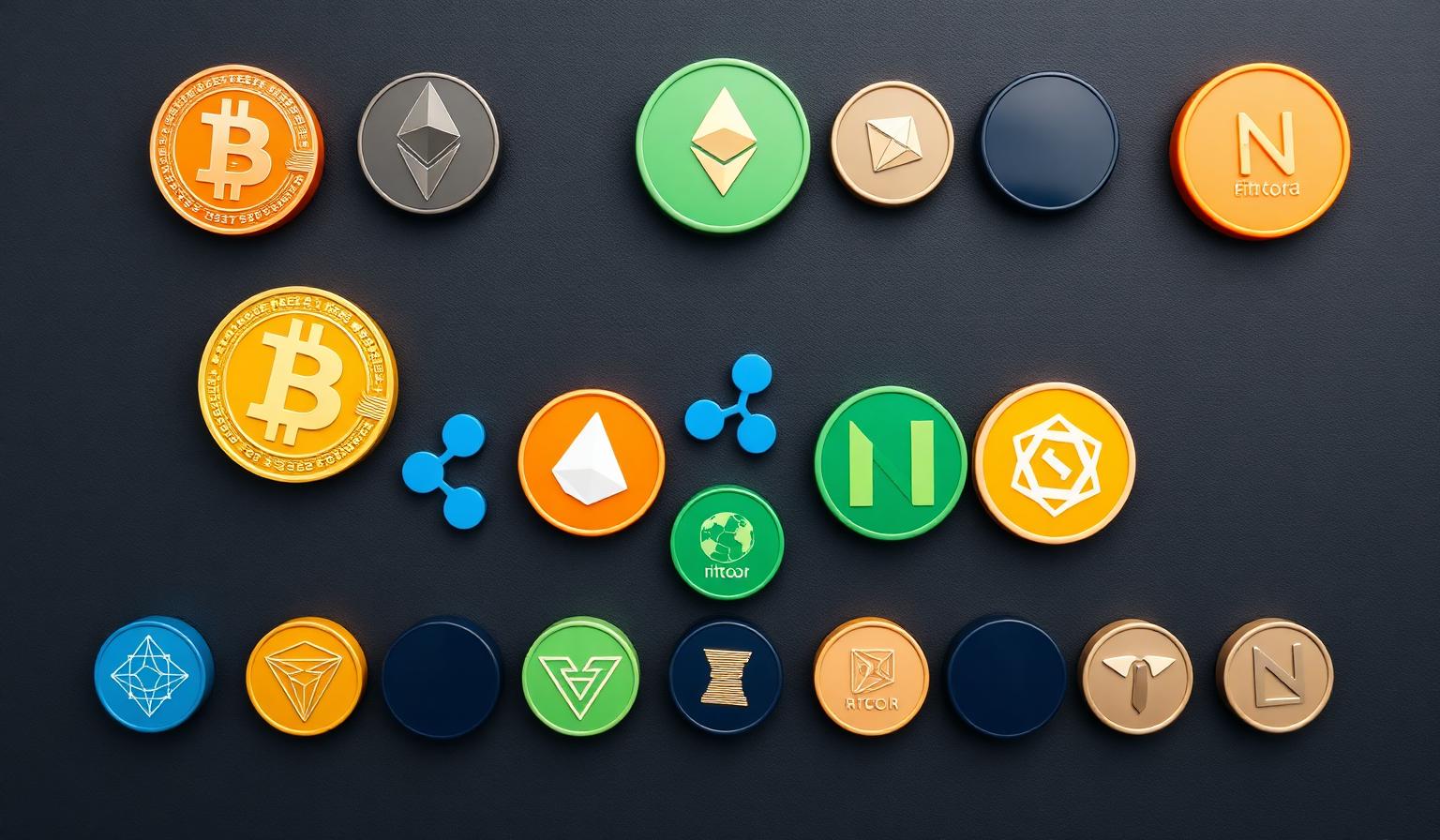
Crypto Fintech Colors: The Definitive Hex Code Atlas of 19 Brand Palettes
When a user lands on a crypto wallet or a fintech onboarding screen, 62–90% of their subconscious judgment is formed by color alone — long before they read a headline, parse a chart, or evaluate a fee schedule. In an industry where trust is the entire product, that single split-second reaction is the most expensive design decision a team ever makes. This atlas of crypto fintech colors decodes the exact hex codes, color names, and psychological signals behind 19 of the most recognized digital-asset and financial-technology brands — and gives you a working playbook to apply them.
This isn't a vibes essay. Every hex code below is sourced and validated, every color is analyzed for the message it sends, and every takeaway is something a working designer, founder, or product team can use the next time they open Figma.
Why Crypto and Fintech Colors Are a Class of Their Own
Most industries can pick a brand color and move on. Financial brands cannot. They have to:
- Communicate trust in a category where users are often handing over life savings
- Stand out in an interface flooded with the green/red language of profit and loss
- Render legibly across dark mode, light mode, charts, candlesticks, and tiny mobile UI
- Survive cultural translation — black means luxury in one market and mourning in another
- Earn recognition at the size of a favicon, app icon, and exchange ticker logo
These constraints push crypto and fintech color systems toward a narrow but fascinating spectrum: saturated mids of blue and orange, deep navies, surgical grays, and the occasional rebel green. The atlas below shows exactly where each brand lands and why.
The Complete Crypto Fintech Colors Atlas (19 Brands, Exact Hex Codes)
Each color below is the validated primary identity color used in the brand's logo or core UI. Hex codes are presented as the brands themselves publish them.
| # | Brand | Symbol | Hex Code | Color Family |
|---|---|---|---|---|
| 1 | Bitcoin | BTC | #f69c3d | Warm Orange |
| 2 | Ethereum | ETH | #497493 | Slate Blue |
| 3 | Vertcoin | VTC | #205b30 | Forest Green |
| 4 | Dash | DASH | #1376b5 | Trust Blue |
| 5 | Monero | XMR | #fc6621 | Vivid Orange |
| 6 | Zcash | ZEC | #d38f36 | Burnished Gold |
| 7 | Bitcoin Cash | BCC | #f5922f | Energetic Orange |
| 8 | Bitcoin Gold | BTG | #e8a629 | Amber Gold |
| 9 | Metal | MTL | #c5b398 | Warm Stone |
| 10 | MCO | MCO | #032144 | Deep Navy |
| 11 | OmiseGO | OMG | #2159ec | Electric Blue |
| 12 | Litecoin | LTC | #949494 | Silver Gray |
| 13 | XRP (Ripple) | XRP | #1b95ca | Sky Cyan |
| 14 | Stratis | STRAT | #6bb3e0 | Soft Sky |
| 15 | DigitalNote | XDN | #507ba0 | Steel Blue |
| 16 | NEO | NEO | #93cb30 | Vivid Lime |
| 17 | Diamond | DMD | #a4cad9 | Pale Aqua |
| 18 | Horizen | ZEN | #f38723 | Burnt Orange |
| 19 | Tether | USDT | #2ea07b | Money Green |
Nineteen brands. Three dominant color families. One emerging pattern.
The Three Tribes of Crypto Fintech Color
Plot all 19 brand colors on a color wheel and they cluster into three unmistakable tribes.
Tribe 1 — The Blue Bloc (8 of 19 brands)
ETH (#497493), DASH (#1376b5), MCO (#032144), OMG (#2159ec), XRP (#1b95ca), STRAT (#6bb3e0), XDN (#507ba0), and DMD (#a4cad9) all sit somewhere on the blue spectrum — from icy aqua to almost-black navy.
This is no accident. Blue is the single most-used color in global finance, from JPMorgan to PayPal to Coinbase to Revolut. It is the safest, most globally accepted color to communicate trust, professionalism, security, and competence. Research on perception shows both genders react faster to blue contrasts than to most other hues, and blue is one of the most color-blindness-accessible primaries — a critical concern when your interface is full of red/green trading data.
The Blue Bloc proves a quiet truth: in finance, blue is the default, and you only break that default if you have a strategic reason.
Tribe 2 — The Orange Insurgents (5 of 19 brands)
Bitcoin (#f69c3d), Monero (#fc6621), Bitcoin Cash (#f5922f), Bitcoin Gold (#e8a629), Zcash (#d38f36), and Horizen (#f38723) — every one of them is some shade of orange, amber, or burnished gold.
These are the disruption colors. Bitcoin's orange was a deliberate counter-positioning: while every bank in the world wore blue, the first cryptocurrency wore the color of energy, warning signs, action, and warmth. Every fork and ideological successor — Bitcoin Cash, Bitcoin Gold, even philosophically distinct chains like Monero and Zcash — has stayed inside the warm spectrum, signaling continuity with that founding "we are not a bank" identity.
Orange in finance is a double-edged sword: it grabs attention and conveys energy, but it can also signify hazard and caution. Crypto leans into both readings. That's the entire brand.
Tribe 3 — The Outliers (Green, Gray, Stone)
Vertcoin (#205b30), NEO (#93cb30), and Tether (#2ea07b) chose green. Litecoin (#949494) chose plain silver gray. Metal (#c5b398) chose warm stone.
Green in financial branding is notoriously risky — it collides with the universal green-equals-profit convention in trading interfaces. But each green here is doing intentional work:
- Vertcoin's deep forest green signals stability and "verticality" (literal name), pulling the color away from market-data territory by using a much darker tone than any chart would render
- NEO's lime green is essentially a tech-startup green, signaling growth and momentum rather than "+2.3%"
- Tether's money green is the only one that intentionally invokes US dollar imagery — exactly what a USD-pegged stablecoin wants you to feel
Litecoin's gray is brilliant in its restraint: where Bitcoin shouts orange, Litecoin whispers speed, simplicity, lightness. The color literally makes the brand feel lighter than its predecessor.
Color Psychology in Fintech: The Six Working Signals
Beyond crypto, fintech as a whole has settled into a working vocabulary of six color signals. Understanding these is the difference between a brand that gets downloaded and one that gets uninstalled.
Blue — Trust and Institutional Credibility
Used by: Revolut, Public.com, Coinbase, PayPal, Chase, and most of the Blue Bloc above. What it signals: professionalism, power, confidence, security, loyalty. When to choose it: when you are asking users to trust you with money, custody assets, or move funds. The safest global choice — and accessible for users with color vision deficiencies.
Purple — Future, Luxury, Differentiation
Used by: Nubank, Starling Bank, WorldRemit. What it signals: royalty, sophistication, the future, harmony, creativity. Purple was Pantone's Color of the Year in 2014 and has since been adopted by a generation of neobanks looking to differentiate from blue. When to choose it: when you're entering a saturated category dominated by blue and need to feel distinct, premium, and forward-looking.
Green — Wealth, Calm, Growth
Used by: Tether, NEO, Vertcoin, Robinhood (accent), Cash App (accent). What it signals: growth, nature, profit, calm, healing. Bright greens often read as humble and approachable. When to choose it: when growth or earnings is the core promise. Avoid as your primary brand color if your product is a trading interface where green/red already mean profit/loss.
Black — Sophistication and Premium
Used by: many wealth-management and premium card brands (Amex Centurion, Apple Card aesthetic). What it signals: sophistication, formality, security, style. Versatile across markets but carries different baggage — in Western culture it can imply death or grief, while in many Far Eastern cultures it signals success and good health. When to choose it: when targeting affluent users or framing the product as exclusive.
Orange / Yellow — Warmth and Disruption
Used by: Bitcoin and its ecosystem, plus warmth-forward fintechs like Koa (guava-pink/orange). What it signals: contentment, positivity, energy, action, warmth — and sometimes caution. When to choose it: when you want to feel human, energetic, and intentionally different from the institutional blue default.
Gray — Modern and Approachable
Used by: Litecoin, many neobank UIs targeting younger users, Apple-adjacent fintech. What it signals: modernity, contemporaneity, neutrality. Especially effective with a single bold accent layered on top. When to choose it: as a primary canvas color that lets data and accents do the emotional work.
Red — Generally Avoided
Used by: very few financial brands as a primary identity color. Why: red is the global color of loss, bankruptcy, errors, and sell signals. Pairing it with money is fighting muscle memory. Reserve red for destructive actions and downside indicators — not your logo.
Patterns Hiding in the Data
When you analyze all 19 crypto fintech colors together, four less-obvious patterns appear.
Pattern 1 — Saturation is Almost Always Mid-to-High
With the exception of MCO's deep navy (#032144) and the muted Metal (#c5b398), nearly every brand color in this atlas is saturated enough to survive on a busy chart. Crypto and fintech UIs are visually dense, and a desaturated brand color simply disappears next to candlesticks, gradients, and live market data.
Pattern 2 — Brightness Targets a Narrow Mid-Band
Most of the colors sit in a brightness sweet spot where they render cleanly on both dark mode (the default for trading interfaces) and light mode (the default for marketing pages). Truly dark or truly light brand colors force a designer to choose one mode — and fintech can't afford to choose.
Pattern 3 — The Forks Inherit the Family Color
Bitcoin (#f69c3d), Bitcoin Cash (#f5922f), and Bitcoin Gold (#e8a629) are all warm oranges within a few hue degrees of each other. Forks deliberately inherit visual DNA to claim ideological lineage — color becomes a family signature.
Pattern 4 — Stablecoins Borrow From Fiat
Tether's #2ea07b is unmistakably dollar-bill green. Stablecoins, by design, want to feel like the currency they peg to. Expect future stablecoins pegged to euros, pounds, or yen to lean into the visual languages of those currencies.
Designer Takeaways: Putting Crypto Fintech Colors to Work
1. Pick Your Tribe Before You Pick Your Hex
Decide first whether you're a trust brand (blue), a disruption brand (orange), or a differentiator (purple, green, gray). The hex code comes after the positioning, not before.
2. Apply the 60-30-10 Rule, Ruthlessly
- 60% neutral base — near-black for dark mode, near-white for light mode
- 30% secondary structure — soft grays and tints of your brand color
- 10% the brand accent — your one saturated hero color
This is exactly how Bitcoin exchanges, Ripple's site, and Coinbase's app deploy their primary colors. The brand color appears in CTAs, logos, and key states — not as wallpaper.
3. Respect the Green/Red Convention
Never make your primary brand color green or red if you display market data. You will lose the fight against muscle memory. If you love green, look at Vertcoin's strategy: go much darker than any chart would render.
4. Test for Color-Vision Accessibility
Roughly 1 in 12 men and 1 in 200 women have some form of color vision deficiency. Blue palettes survive this test naturally; tightly paired oranges and reds do not. Run your palette through a simulator before locking it in — the Coloracci AI tool suite includes contrast and accessibility checks for exactly this.
5. Design for Favicon-First
Your brand color must work at 16×16 pixels in a browser tab, at 32×32 in an app switcher, and inside a circular exchange ticker. Pick a color that holds its identity when stripped of every other design element.
6. Use the Fibonacci Method for Palette Weights
When extending a single brand color into a full palette of tints, shades, and supporting tones, use proportional ratios that feel natural to the eye. The Fibonacci color generator produces mathematically harmonious spacings between palette steps — the same proportional logic that governs balance in nature, architecture, and the most-loved logos.
Master Reference Table
| Brand | Symbol | Hex Code | Color Name | Psychological Meaning |
|---|---|---|---|---|
| Bitcoin | BTC | #f69c3d | Bitcoin Orange | Disruption, energy, warmth |
| Ethereum | ETH | #497493 | Ethereum Slate | Infrastructure, neutrality |
| Vertcoin | VTC | #205b30 | Vertcoin Forest | Stability, depth |
| Dash | DASH | #1376b5 | Dash Trust Blue | Reliability, payments |
| Monero | XMR | #fc6621 | Monero Vivid Orange | Privacy, intensity, action |
| Zcash | ZEC | #d38f36 | Zcash Burnished Gold | Privacy as value |
| Bitcoin Cash | BCC | #f5922f | BCH Orange | Accessibility, continuity |
| Bitcoin Gold | BTG | #e8a629 | BTG Amber | Mining-era heritage |
| Metal | MTL | #c5b398 | Metal Stone | Warmth, restraint |
| MCO | MCO | #032144 | MCO Deep Navy | Institutional gravitas |
| OmiseGO | OMG | #2159ec | OMG Electric Blue | Movement, payments rails |
| Litecoin | LTC | #949494 | Litecoin Silver | Speed, lightness |
| XRP | XRP | #1b95ca | XRP Sky Cyan | Global reach, openness |
| Stratis | STRAT | #6bb3e0 | Stratis Soft Sky | Approachable enterprise |
| DigitalNote | XDN | #507ba0 | XDN Steel Blue | Quiet professionalism |
| NEO | NEO | #93cb30 | NEO Lime | Tech growth, momentum |
| Diamond | DMD | #a4cad9 | Diamond Aqua | Clarity, lightness |
| Horizen | ZEN | #f38723 | Zen Burnt Orange | Active warmth |
| Tether | USDT | #2ea07b | Tether Money Green | Dollar-pegged confidence |
Conclusion: Color Is the First Promise Your Brand Makes
The 19 crypto fintech colors above aren't aesthetic choices — they're strategic promises made before a user reads a single word. Bitcoin's orange promises disruption. Ripple's cyan promises global trust. Tether's green promises dollar parity. Litecoin's gray promises speed. Every hex code is a position statement.
If you're designing the next wallet, exchange, neobank, or DeFi protocol, your color decision is one of the highest-leverage choices in the entire product. Get it right and users feel safe before they understand why. Get it wrong and no amount of clever copywriting will recover the trust you bled in the first 90 seconds.
The same psychology that gives comic-book superhero palettes their emotional punch is the psychology your fintech brand is competing inside — only the stakes are higher and the muscle memory is older.
Ready to design your own crypto or fintech palette? Use the Coloracci AI palette generator to build data-driven color systems in seconds, validate them against accessibility standards in the Coloracci tool suite, and refine palette weights with the Fibonacci generator. Your users will form a judgment in 90 seconds. Make sure the colors are doing the work.