The Best Car Paint Colors That Hide Scratches & Dents
· Coloracci Team
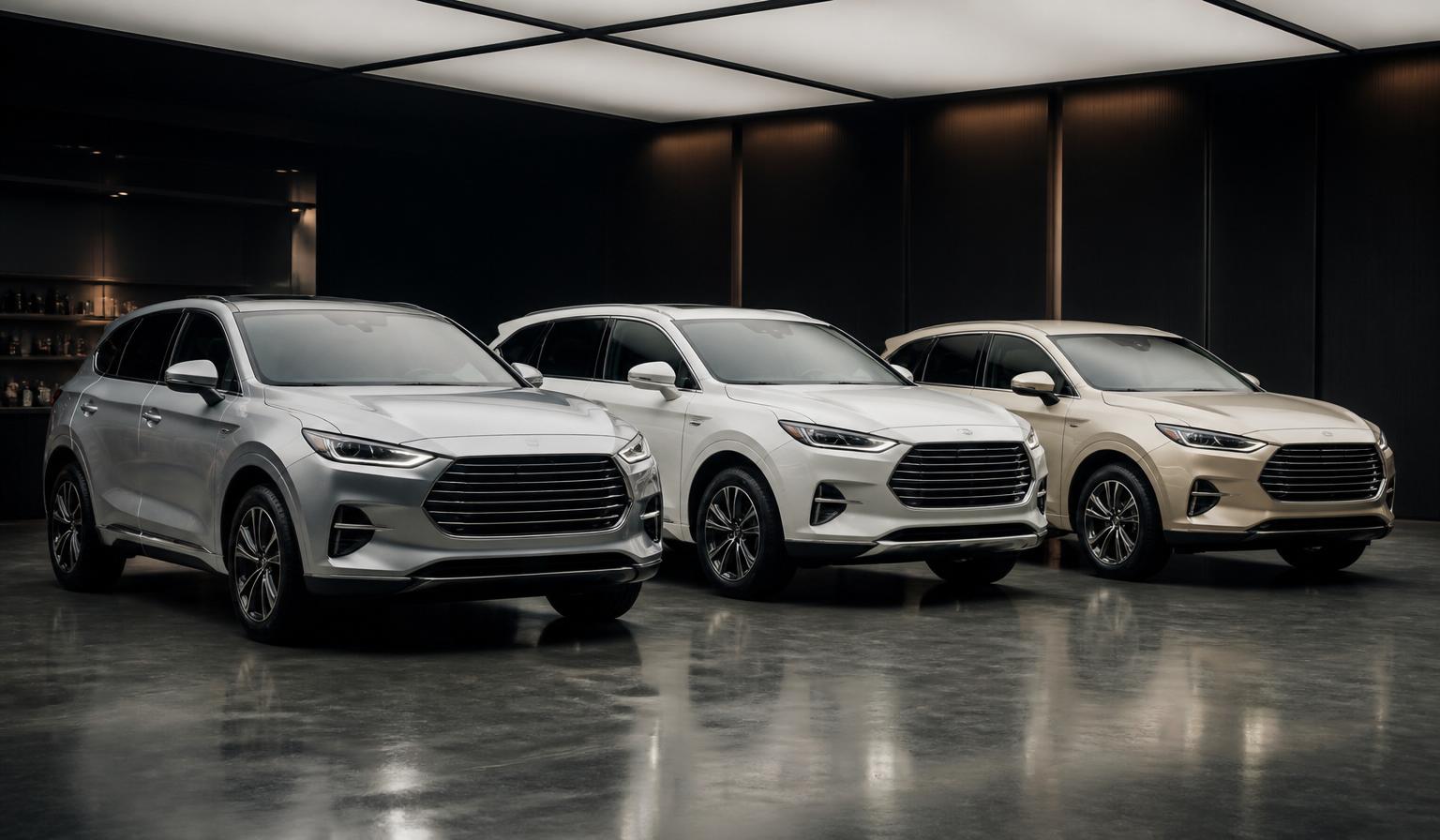
Car paint colors that hide scratches are not a matter of luck—they are a matter of physics, optics, and pigment engineering. Every time a key drags across a door panel, a shopping cart kisses a fender, or a hedge branch traces a thin line down a quarter panel, the color underneath determines how loudly that damage announces itself. Some paints act like camouflage. Others act like a spotlight.
If you are shopping for a new vehicle, repainting an existing one, or advising a client on fleet or personal color strategy, the right answer is almost always the same: lighter, metallic, mid-value colors hide damage best. Dark, saturated, solid colors reveal it fastest. This guide breaks down the exact colors, hex codes, finishes, and psychological signals so you can choose a car color that stays beautiful between washes and between regrets.
For a broader framework on how to choose automotive color across body style, resale, and climate, see our companion guide on how to pick the right car color for a luxury SUV. For the deeper psychology of premium automotive palettes, explore our analysis of luxury car colors and their psychological impact.
The Science: Why Some Car Colors Hide Scratches Better Than Others
Three variables control how visible a scratch is on automotive paint:
- Contrast with primer. Most automotive primer is light gray or off-white. A dark topcoat creates high contrast against a light scratch, making every mark pop. A light topcoat creates low contrast, so the scratch visually disappears.
- Specular reflection. Metallic and pearl finishes scatter light across micro-flakes. That scattering breaks up the shadow a scratch casts, softening its edges. Solid colors reflect more uniformly, so scratches cast clean, hard shadows.
- Dirt and dust camouflage. Colors that are close in value to road dust, pollen, and water spots hide daily grime. Colors far from dust value show every particle.
Combine those three rules and you get the practical formula: light + metallic + mid-saturation = the easiest car color to maintain.
Best Car Paint Colors That Hide Scratches (With Exact HEX Codes)
These five color families dominate the low-maintenance car segment for good reason. Each one balances scratch concealment, dirt tolerance, and resale appeal.
1. Silver — The Practical Default
Silver is the most forgiving automotive color on the market. Its metallic flake reflects light in multiple directions, breaking up the linear shadow of a scratch. It also sits close in value to brake dust, pollen, and light road film, so the car looks clean longer.
- Example HEX:
#C0C0C0(Silver) - Why it works: High metallic content + mid-value tone = scratches scatter instead of announce.
- Best finish: Metallic or premium metallic.
- Psychology: Practical, modern, technological, sleek.
Silver is the safest recommendation for anyone who wants a car that looks expensive without looking high-maintenance. It is also one of the best car colors to keep clean because it forgives both dust and water spotting. For buyers who want a single definitive answer, silver metallic is often the best car color to keep clean overall.
2. White — The Contrast Killer
White hides scratches because the primer underneath is usually light-colored, so a shallow scratch does not create the dark canyon effect it would on black or navy. White also reflects heat, resists fading, and shows tar less dramatically than darker colors.
- Example HEX:
#F5F5F5(White Smoke) - Why it works: Low contrast with primer; bright value masks micro-marring.
- Best finish: Pearl or tri-coat white. Flat white can look fleet-grade; pearl adds depth and premium perception.
- Psychology: Clean, pure, simple, modern.
White is especially strong in hot climates and for vehicles parked outdoors. The main weakness is that it can show road tar and rubber transfer on lower panels, but those are easier to remove than the swirl marks that plague dark paints.
3. Light Gray — The Modern Compromise
Light gray gives you 80% of silver's forgiveness with a more contemporary, less reflective personality. It does not flash in sunlight the way silver can, but it still scatters light effectively across metallic flake.
- Example HEX:
#D3D3D3(Light Gray) - Why it works: Mid-value neutral; dirt and scratches sit close to the base tone.
- Best finish: Metallic or satin metallic.
- Psychology: Balanced, understated, intelligent.
Light gray has become the default color for electric vehicles and tech-forward brands because it reads as future-facing without the coldness of pure silver. For a daily driver, it is one of the most low maintenance car colors available.
4. Champagne / Beige — The Subtle Luxury Choice
Champagne and beige tones hide dust exceptionally well because they share the warm, earthy value of dry pollen and light road film. They also scratch less visibly than white because their warmer undertone softens contrast.
- Example HEX:
#F7E7CE(Champagne) - Why it works: Warm mid-value; dust and minor blemishes blend into the base color.
- Best finish: Metallic or pearl.
- Psychology: Refined, approachable, quietly affluent.
Champagne is the choice for buyers who want something more distinctive than silver or white but refuse to sacrifice practicality. It photographs warmly and pairs beautifully with chrome or bronze wheel finishes.
5. Light Blue — The Calm Alternative
A pale, metallic light blue can hide swirl marks and fine scratches better than most people expect. The cool undertone softens the appearance of micro-marring, and the metallic flake adds the same light-scattering benefit as silver.
- Example HEX:
#ADD8E6(Light Blue) - Why it works: Cool, light value + metallic flake diffuses scratch shadows.
- Best finish: Metallic or pearl.
- Psychology: Calm, trustworthy, fresh.
Light blue is less common than silver or white, so it offers more individuality while still qualifying as one of the easiest car colors to maintain. It is particularly effective on compact SUVs, crossovers, and sedans.
Colors to Avoid If You Hate Visible Scratches
Not all colors are forgiving. The following three families are the worst offenders for scratch visibility, and each one fails for a different optical reason.
Black — The High-Maintenance Standard
Black is the absolute worst color for hiding scratches. Every swirl mark, water spot, dust particle, and fine scratch stands out because of the extreme contrast between the dark paint and the lighter primer or clearcoat damage underneath.
- Why it fails: Maximum contrast; solid reflection shows every imperfection.
- Psychology: Luxurious, powerful, sophisticated—but high-maintenance.
- Reality check: A black car looks stunning for the first twelve hours after a detail. After that, it is a rolling microscope.
Black is a color for people who enjoy detailing as a hobby, not for people who want a low maintenance car color.
Dark Blue — The Deceptively Difficult Color
Navy, midnight blue, and deep sapphire look rich and premium, but they share black's contrast problem. Scratches and swirl marks catch light against the dark surface, and water spots dry into visible white rings.
- Why it fails: Dark value + moderate saturation = high scratch contrast.
- Best use: Garage-kept vehicles or lease returns where appearance is managed professionally.
Dark Red — The Bold Maintenance Burden
Burgundy, maroon, and deep metallic reds highlight imperfections because their warm, saturated base makes every lighter scratch read as a bright interruption. They also oxidize faster than lighter colors when exposed to strong sun.
- Why it fails: Warm, dark, saturated tones amplify contrast and oxidation.
- Best use: Weekend cars or collector vehicles, not daily commuters.
The Complete Scratch-Hiding Color Data Table
Use this table as a quick reference when comparing colors for a purchase, repaint, or client recommendation.
| Item | Color | Hex | Color Name | Psychological Meaning |
|---|---|---|---|---|
| Best all-rounder | ⬜ | #C0C0C0 |
Silver | Practical, modern, technological |
| Best for hot climates | ⬜ | #F5F5F5 |
White Smoke | Clean, pure, simple, modern |
| Best modern neutral | ▫️ | #D3D3D3 |
Light Gray | Balanced, understated, intelligent |
| Best subtle luxury | 🟫 | #F7E7CE |
Champagne | Refined, approachable, quietly affluent |
| Best calm alternative | 🟦 | #ADD8E6 |
Light Blue | Calm, trustworthy, fresh |
| Worst for scratches | ⬛ | #000000 |
Black | Luxurious, powerful, high-maintenance |
| Avoid for daily use | 🟦 | #00008B |
Dark Blue | Premium, authoritative, demanding |
| Avoid without care | 🟥 | #8B0000 |
Dark Red | Passionate, bold, oxidation-prone |
Finish Matters More Than Most Buyers Realize
Color is only half the scratch equation. Finish controls how light behaves on the surface.
- Solid finish: No metallic flake. Cheapest to repair, but shows scratches most clearly because shadows are uninterrupted. Best reserved for light colors like white or light blue.
- Metallic finish: Aluminum flake in the clearcoat scatters light. The single best choice for hiding scratches on silver, gray, and champagne.
- Pearl / Tri-coat finish: Mica or ceramic flakes create depth and color shift. Excellent for white and champagne; expensive to repair perfectly but forgiving visually.
- Matte / Satin finish: No gloss means no reflection to hide scratches. Every mark is permanent-looking and difficult to polish. Avoid if scratch hiding is a priority.
The practical rule: if you want to hide scratches, choose metallic or pearl over solid, and never choose matte.
Car Color Palettes That Hide Damage and Look Coordinated
A scratch-hiding exterior color can still feel boring if it is not coordinated with wheels, trim, and interior. Here are three ready-to-use palettes built around the most forgiving automotive colors.
Palette 1: Urban Silver
- Body: Silver
#C0C0C0 - Wheels: Graphite
#4A4E54 - Trim: Black
#0B0B0D - Interior: Black leather with silver stitching
- Why it works: Monochromatic value range hides dirt and scratches while looking premium.
Palette 2: Pearl White Minimalism
- Body: White Smoke
#F5F5F5 - Wheels: Bright silver
#C7CBD1 - Trim: Chrome
- Interior: Light gray or beige leather
- Why it works: High-key palette reflects heat, resists fading, and stays clean-looking longest.
Palette 3: Champagne Warmth
- Body: Champagne
#F7E7CE - Wheels: Bronze
#9C7B4A - Trim: Satin black
- Interior: Tan or cream leather
- Why it works: Warm, earthy tones hide dust and pollen better than cool neutrals.
If you want to expand any of these palettes into a full brand or garage color system, use Coloracci's AI palette generator to turn any hex code above into a professional five-color scheme.
Practical Takeaways for Car Buyers and Designers
1. Match the color to the maintenance budget, not just the taste budget.
A black car with a monthly detailing subscription is a beautiful object. A black car washed twice a year in a driveway is a disappointment. Be honest about how much care the vehicle will actually receive.
2. Prioritize metallic or pearl finishes on daily drivers.
The extra cost of a metallic or pearl upgrade usually pays for itself in reduced visual aging. It is the cheapest way to make a car look newer for longer.
3. Consider climate and parking conditions.
White and silver reflect heat and resist UV fade. Champagne and beige hide pollen in spring. Dark colors absorb heat and show dust within days. Match the color to the environment, not just the desire.
4. Test the color on a dirty sample.
Dealer showrooms wash cars twice a day. Ask to see the color on a car that has not been washed, or at least in natural daylight after a light dusting. The showroom is a lie.
5. Think about resale before you think about individuality.
The easiest car color to maintain is usually also the easiest color to resell. Silver, white, gray, and champagne have the broadest buyer pool. Bold colors depreciate faster because they limit the next buyer.
Color Psychology: What Your Scratch-Hiding Color Says About You
Color choice is never purely practical. It is also a signal. Here is what each forgiving color communicates:
- Silver: "I value engineering and efficiency over drama."
- White: "I prefer clean, modern, and low-friction ownership."
- Light Gray: "I want contemporary style without chasing trends."
- Champagne/Beige: "I appreciate subtle luxury and warm understatement."
- Light Blue: "I want calm, trust, and a little individuality."
- Black: "I prioritize presence and prestige over convenience."
There is no wrong signal. There is only a mismatch between the signal you want to send and the maintenance reality you are willing to live with.
Low Maintenance Car Colors: The Bottom Line
If your only goal is minimizing visible wear, the hierarchy is clear:
- Silver metallic — best overall scratch and dirt hiding.
- Pearl white — best for heat, fading, and shallow scratch concealment.
- Light gray metallic — best modern neutral.
- Champagne / beige metallic — best warm, dust-forgiving luxury.
- Light blue metallic — best calm alternative with personality.
Avoid black, dark blue, and dark red unless you have the time, budget, or detailing obsession to manage them.
Conclusion: Choose the Color That Forgives Your Real Life
The best car paint colors that hide scratches are not secrets. They are silver, white, light gray, champagne, and light blue—especially in metallic or pearl finishes. These colors work because they reduce contrast with primer, scatter light across micro-flakes, and sit close in value to the dust and grime that cars collect every day.
Choosing one of these colors is not a compromise. It is a design decision that acknowledges the real conditions a vehicle lives in: parking lots, hedges, key rings, pollen seasons, and imperfect wash routines. A color that forgives those conditions keeps looking good longer, costs less to maintain visually, and holds its value better at resale.
Ready to build a full automotive or brand palette around one of these scratch-hiding colors? Try Coloracci's AI palette generator to expand any hex code from this guide into a complete, coordinated color system.
For more automotive color strategy, read our guides on how to pick the right car color for a luxury SUV and the psychology behind luxury car colors. If you are cross-shopping models where these low-maintenance colors matter most for family use, RoadSUV's roundup of the best luxury midsize SUV options is a strong reference for pairing the right paint with the right vehicle.
Sources: UPPF USA — Best Car Colors to Hide Scratches and Dents, CarVaidya — Car Colors That Hide Scratches and Dents Best.