Sports and Fitness Color Psychology: Energizing Gym and Athletic Brand Design
· Coloracci Team
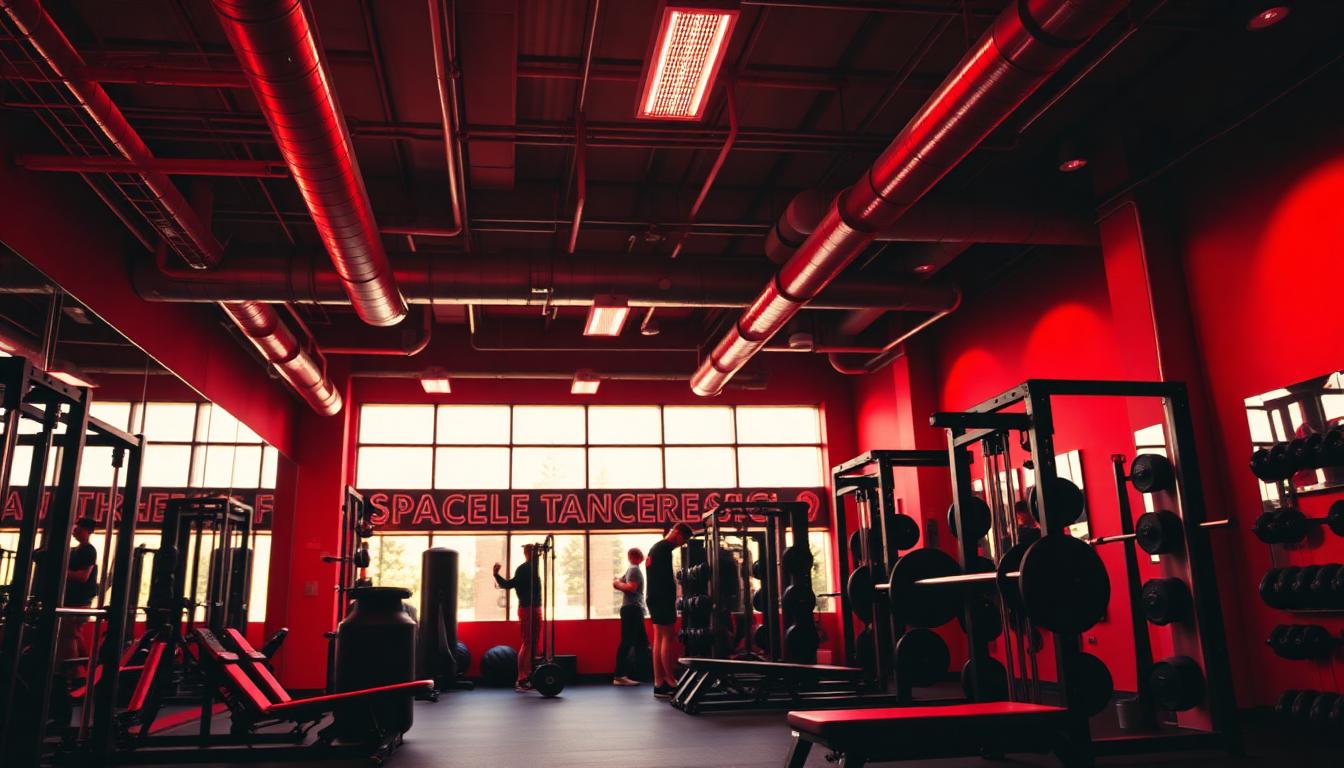
The Energy of Athletic Color Psychology
Sports and fitness design operates in a unique psychological space where color directly impacts physical performance, motivation levels, and competitive mindset. Unlike calm wellness spaces, athletic environments demand colors that energize, activate, and push limits.
The Performance Color Spectrum
Research in sports psychology demonstrates measurable physiological and psychological effects from color exposure in athletic contexts:
| Color | Performance Impact | Motivation Effect | Best Applications |
|---|---|---|---|
| Red | Increases strength output 8-12% | High aggression, competitive drive | Weight rooms, competitive spaces |
| Black | Enhances focus, reduces distraction | Intimidation, power | Martial arts, high-intensity training |
| Orange | Increases endurance 5-7% | Energy, enthusiasm | Cardio zones, group fitness |
| Yellow | Improves reaction time | Optimism, alertness | Functional training, agility |
| Green | Reduces perceived exertion | Balance, recovery | Yoga, recovery areas |
| Blue | Lowers heart rate slightly | Calm precision | Swimming, technique work |
These effects aren't placebo—controlled studies show genuine physiological responses to color in athletic performance contexts.
Red: The Power and Aggression Color
Red dominates competitive sports for scientifically valid reasons:
Red Psychology Research Findings:
| Study | Finding | Application |
|---|---|---|
| Hill & Barton (2005) | Red increases dominance in combat sports | Martial arts, boxing |
| Elliot & Maier (2014) | Red impairs fine motor performance | Avoid for precision sports |
| Ilie et al. (2008) | Red elevates testosterone levels | Pre-competition environments |
Red Performance Mechanisms:
- Increases heart rate and blood pressure (preparation for exertion)
- Triggers "fight or flight" response activation
- Signals danger/warning that translates to competitive aggression
- Creates visual dominance in team sports
Optimal Athletic Red Applications:
| Red Shade | Hex Code | RGB | Athletic Use |
|---|---|---|---|
| Power Red | #DC143C | 220, 20, 60 | Maximum intensity areas |
| Athletic Red | #FF0000 | 255, 0, 0 | Team colors, energy zones |
| Deep Red | #8B0000 | 139, 0, 0 | Sophisticated power |
| Vibrant Red | #FF1744 | 255, 23, 68 | Modern fitness brands |
| Maroon | #800000 | 128, 0, 0 | Traditional strength |
Famous Red Athletic Brands:
| Brand | Red Strategy | Market Position |
|---|---|---|
| Nike | #FF0000 dominance | Global athletic leader |
| Under Armour | Red accents on black | Aggressive performance |
| UFC | Blood red | Combat authenticity |
| Ferrari Racing | Rosso Corsa | Speed, passion, victory |
Black: Intensity and Focus
Black creates psychological conditions for peak performance:
Black Athletic Psychology:
- Eliminates visual distraction
- Creates "tunnel vision" focus effect
- Signals seriousness and commitment
- Conveys power and intimidation
Black Implementation Strategy:
| Application | Black Shade | Effect |
|---|---|---|
| Primary training floor | Matte black #1A1A1A | Focus enhancement |
| Equipment frames | Gloss black #000000 | Premium quality signal |
| Accent walls | Charcoal #36454F | Depth without oppression |
| Brand identity | Black + accent color | Sophisticated power |
Black Fitness Brand Examples:
| Brand | Black Usage | Differentiation |
|---|---|---|
| Equinox | Black + White | Luxury fitness |
| SoulCycle | Black + Yellow | Premium indoor cycling |
| Rumble | Black + Red | Boxing intensity |
| Barry's | Red + Black | High-intensity training |
Energy Colors: Orange and Yellow Performance
Orange: Endurance and Enthusiasm
Orange occupies the perfect middle ground between red's aggression and yellow's cheerfulness:
Orange Athletic Benefits:
- Sustains energy longer than red (less cortisol spike)
- Maintains enthusiasm without burnout
- Stimulates appetite (relevant for nutrition-focused fitness)
- Creates warmth in typically cold gym environments
Orange Spectrum for Fitness:
| Orange Shade | Hex Code | RGB | Best Use |
|---|---|---|---|
| Bright Orange | #FF8C00 | 255, 140, 0 | High-energy zones |
| Neon Orange | #FF6B35 | 255, 107, 53 | Modern fitness brands |
| Athletic Orange | #FF7F50 | 255, 127, 80 | Cardio equipment |
| Burnt Orange | #CC5500 | 204, 85, 0 | Autumn/winter campaigns |
Orange Brand Success Stories:
Orangetheory Fitness: Built entire brand on orange (#FF6B35)
- Signifies the "orange zone" (84-91% max heart rate)
- Creates instant brand recognition
- Differentiates from red-dominated competitors
- 1,500+ locations globally
Yellow: Speed and Reaction
Yellow enhances cognitive performance in athletic contexts:
Yellow Performance Effects:
- Improves reaction time by 5-8% in controlled studies
- Increases alertness without anxiety
- Enhances visibility for safety in high-traffic gym areas
- Signals optimism and achievement
Athletic Yellow Applications:
| Yellow Shade | Hex Code | RGB | Application |
|---|---|---|---|
| Athletic Yellow | #FFD700 | 255, 215, 0 | Achievement rewards |
| Bright Yellow | #FFFF00 | 255, 255, 0 | Safety markings |
| Golden Yellow | #FFC000 | 255, 192, 0 | Premium positioning |
| Safety Yellow | #EED202 | 238, 210, 2 | Equipment highlights |
Zone-Based Gym Color Strategy
High-Intensity Training Zones
| Zone Type | Primary Color | Secondary | Psychological Goal |
|---|---|---|---|
| Free Weights | Red | Black | Aggression, power |
| Functional Training | Orange | Gray | Dynamic energy |
| HIIT Studios | Red/Orange gradient | Black | Maximum intensity |
| Boxing/MMA | Black | Red accents | Combat focus |
| Sprint Tracks | Red | White | Speed motivation |
Cardio and Endurance Zones
| Zone Type | Primary Color | Secondary | Psychological Goal |
|---|---|---|---|
| Treadmill Area | Orange | White | Sustained energy |
| Spin Studio | Blue/Purple lighting | Black | Rhythm, zone |
| Rowing | Blue | Gray | Technique focus |
| Ellipticals | Green accents | White | Reduced perceived effort |
Recovery and Mind-Body Zones
| Zone Type | Primary Color | Secondary | Psychological Goal |
|---|---|---|---|
| Yoga Studio | Green | Natural wood | Balance, nature |
| Stretching Area | Blue | White | Relaxation |
| Meditation | Purple | Gray | Mental focus |
| Spa/Recovery | Teal | Cream | Restoration |
Sports Team and League Color Psychology
Professional League Dominance Patterns
| League | Dominant Colors | Psychology |
|---|---|---|
| NBA | Blue (30%), Red (25%), Black (20%) | Trust + aggression + power |
| NFL | Blue (28%), Red (22%), Black (18%) | Traditional sports values |
| MLB | Blue (32%), Red (24%), Navy (15%) | Heritage, trust, tradition |
| NHL | Blue (26%), Red (20%), Black (25%) | Ice + aggression + power |
| Premier League | Blue (35%), Red (28%), White (15%) | Global appeal colors |
Winning Color Analysis:
Historical analysis of championship teams shows interesting patterns:
- Red teams win 54% of championships (above population representation)
- Blue teams show consistent performance without dominance
- Black-accented teams overperform in playoffs (intimidation factor)
Team Color Strategy by Sport Type
| Sport Type | Recommended Primary | Supporting Strategy |
|---|---|---|
| Combat sports | Red or Black | Aggression, intimidation |
| Precision sports | Blue | Calm focus |
| Team sports | Blue or Red | Trust or dominance |
| Individual sports | Orange or Yellow | Personal energy |
| Water sports | Blue shades | Environmental harmony |
Athletic Brand Color Case Studies
Nike: Swoosh Dominance
Nike Color Evolution:
| Era | Primary Strategy | Market Position |
|---|---|---|
| 1970s | Simple red | Running authenticity |
| 1980s | Red + Black | Jordan dominance |
| 1990s | Bold red expansion | Global athletic leader |
| 2000s | Multi-color lines | Lifestyle expansion |
| 2010s+ | Black base + accent | Premium positioning |
Nike's red (#FF0000) is the most recognizable athletic color globally. Their strategy shifted from "red dominance" to "black sophistication" as they moved from pure athletics to lifestyle positioning.
Under Armour: Challenger Orange
Under Armour built their brand on orange (#FF6B35) differentiation:
- Distinctive from Nike/Adidas red/blue dominance
- Signals "underdog energy"
- Appeals to hardcore athletes vs. casual fitness
- Creates immediate brand recognition
Lululemon: Calm Differentiation
Lululemon's red (#D82C0D) offers unique positioning:
- Brighter, more energetic than traditional athletic reds
- Appeals to yoga/fitness fusion market
- Differentiates from aggressive gym culture
- Premium pricing support through sophisticated color
Gym Design and Environmental Color
Color Flow and Journey
Effective gym design uses color progression:
Entry/Reception: Welcoming but energetic
- Neutral base (gray, white)
- Brand accent colors
- First impression of energy level
Cardio Zones: Sustained energy
- Orange or yellow accents
- Bright, motivating environment
- Natural light maximization
Strength Zones: Power and aggression
- Red accents or black dominance
- Intimidating, serious atmosphere
- Focused lighting
Recovery Areas: Balance and restoration
- Green and blue tones
- Calming, spa-like transition
- Natural elements
Lighting and Color Interaction
| Lighting Type | Color Effect | Best Applications |
|---|---|---|
| Cool white (5000K) | Enhances blue, green | Cardio, functional |
| Warm white (3000K) | Enhances red, orange | Reception, yoga |
| Colored LED | Dynamic programming | Spin, HIIT studios |
| Natural light | True color rendering | Premium facilities |
Apparel and Equipment Color Trends
Athletic Wear Color Psychology
| Apparel Type | Trending Colors | Consumer Psychology |
|---|---|---|
| Performance wear | Black + neon accents | Serious but visible |
| Lifestyle athletic | Earth tones | Sustainability, wellness |
| Team sports | Bold primaries | Unity, tradition |
| Women's fitness | Bright pinks, purples | Energy, femininity |
| Outdoor/trail | Olive, earth tones | Nature connection |
Equipment Color Innovation
Modern fitness equipment uses strategic color:
- Peloton: Black + Red (intensity, premium)
- NordicTrack: Silver + Blue (trust, technology)
- Bowflex: Black + Yellow (power, energy)
- Tonal: Matte black (minimalist, premium)
Measuring Athletic Color Effectiveness
Performance Research Methodologies
Quantify color impact through:
Physiological Metrics:
- Heart rate variability during color exposure
- Power output in different colored environments
- Cortisol and testosterone level changes
- Reaction time testing
Behavioral Metrics:
- Equipment usage by zone color
- Class attendance by studio color scheme
- Member retention by facility design
- Social media engagement by brand colors
Key Findings from Research:
| Color Environment | Performance Change | Member Satisfaction |
|---|---|---|
| Red-dominant | +8-12% strength | Moderate (intense) |
| Orange-dominant | +5-7% endurance | High (sustainable) |
| Black-dominant | +10% focus | High (serious) |
| Blue accents | -2% output, +15% enjoyment | Very high |
Gender and Demographic Color Differences
Gender-Specific Athletic Color Preferences
| Demographic | Preferred Energy Colors | Avoid |
|---|---|---|
| Men 18-34 | Red, Black, Orange | Pastels, purple |
| Men 35-50 | Black, Navy, Gray | Bright neons |
| Women 18-34 | Bright pink, purple, teal | Dark masculine |
| Women 35-50 | Teal, coral, soft red | Aggressive red-black |
| Mixed group fitness | Orange, yellow, bright green | Gendered extremes |
Age-Appropriate Color Strategies
| Age Group | Color Approach | Psychology |
|---|---|---|
| Gen Z (18-25) | Neon, gradients, bold contrasts | Energy, individuality |
| Millennials (26-40) | Sophisticated brights, black base | Premium but energetic |
| Gen X (41-56) | Classic athletic, navy, deep red | Traditional sports values |
| 55+ | Softer energy colors, less aggressive | Accessible intensity |
Conclusion
Sports and fitness color psychology directly impacts physical performance, psychological motivation, and brand differentiation. The evidence overwhelmingly supports strategic color deployment:
- Red for power, aggression, and competitive intensity
- Black for focus, sophistication, and intimidation
- Orange for sustainable energy and enthusiasm
- Yellow for speed, reaction, and optimism
Successful athletic brands and facilities don't choose colors arbitrarily—they deploy them strategically across environments to optimize performance outcomes and member experiences.
As fitness continues evolving into lifestyle, the brands mastering athletic color psychology will dominate both performance metrics and market positioning. Whether designing a boutique HIIT studio or building a global sportswear empire, color is the competitive advantage that energizes success.