The Hex Code Atlas of Political Party Colors: 16 Precise Shades That Win Elections
· Coloracci Team
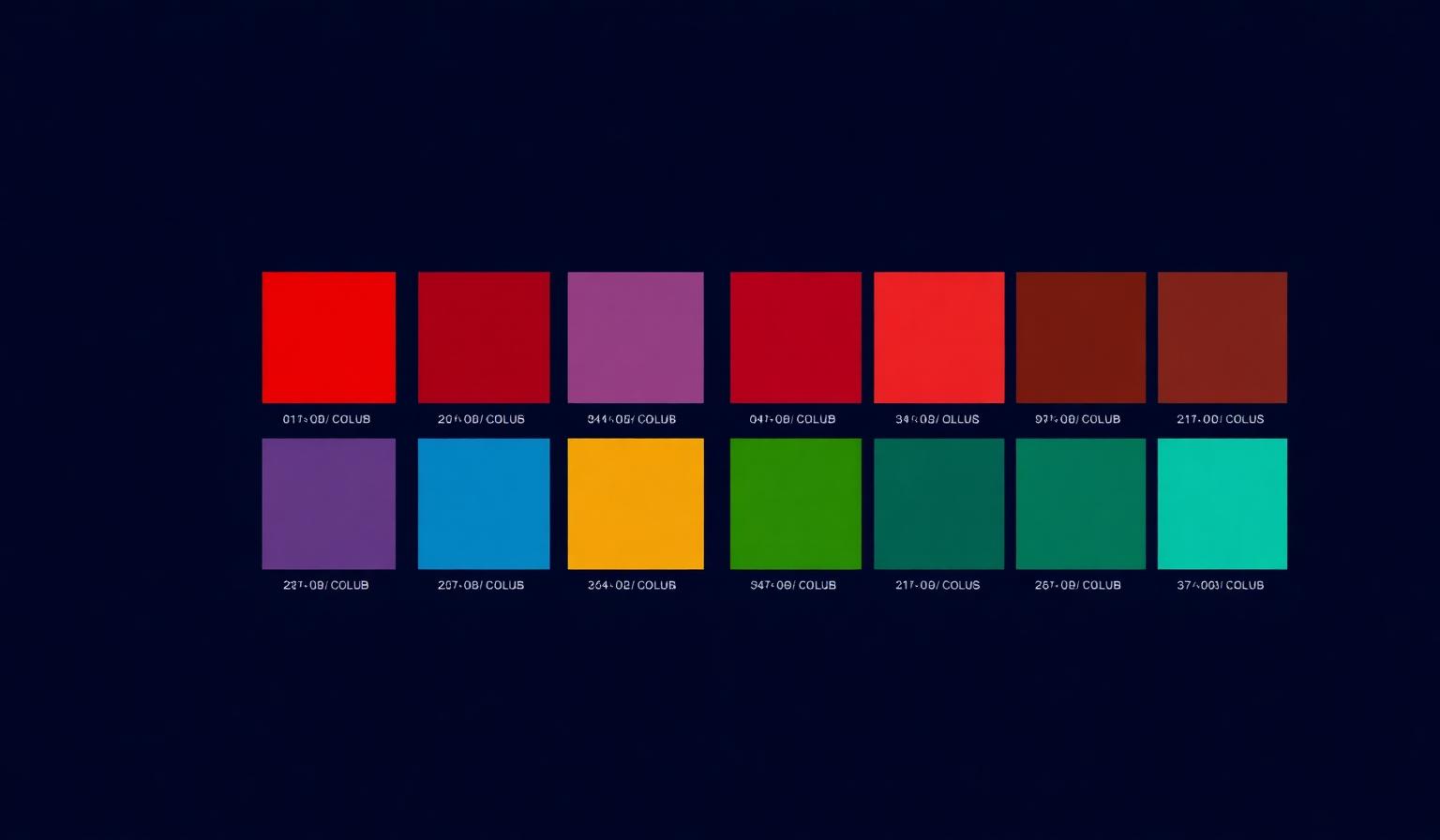
Why Political Party Colors Are the Most Engineered Palettes on Earth
Most brand palettes are designed to be liked. Political party colors are designed to be recognized in 200 milliseconds, on a yard sign, from a moving car, in the rain. That brutal constraint produces the most carefully engineered color systems in the world — and they hide in plain sight on every ballot, banner, and campaign mailer.
For designers and color enthusiasts, the political color spectrum is a living psychology lab. It is one of the only fields where the same hue, shifted by ten points of saturation, can shift a voter's perception from "establishment" to "insurgent." This atlas goes beyond the usual "red versus blue" summary and decodes 16 exact hex codes that power modern political branding — the precise shades strategists, pollsters, and creative directors actually fight over in the studio.
If you have already read our broader global guide to political party branding colors or our regional breakdown of political party colors worldwide, this piece is the technical companion: a designer-grade reference of named hex codes, saturation strategies, and the science of campaign palette construction.
The Complete Political Hex Atlas: 16 Exact Shades
Each color below is an exact, production-ready hex code drawn from active campaign style guides, official party identities, and contemporary political branding research. They are organized into four chromatic families: the Reds, the Blues, the Greens, and the Insurgent Accents.
The Reds — Strength, Tradition, Revolution
Red is the most contested color in politics. The same wavelength signals socialism in Berlin, conservatism in Des Moines, and monarchy in Madrid. The shade chooses the meaning.
- Republican Red —
#E91D0E— A vivid, slightly orange-leaning red used in modern U.S. Republican Party branding. It reads as confident and assertive without tipping into the institutional crimson of older conservative parties. - Conservative Ruby —
#9B111E— A deeper, jewel-toned red. Used by establishment conservative and Christian-democratic parties to project gravitas and inherited authority rather than insurgent energy. - Patriotic Scarlet —
#FF2400— A high-saturation, near-fluorescent red. Reserved for nationalist and high-passion movements; it is the chromatic equivalent of a megaphone. - Revolutionary Crimson —
#DC143C— The historic shade of European leftist and labor parties. Slightly cooler than scarlet, it carries the 19th-century weight of working-class movements. - Economic Burgundy —
#800020— A serious, almost wine-dark red. Often deployed by centre-right economic parties that want to signal business credibility rather than ideological combat.
The Blues — Trust, Stability, Authority
Blue is the universal color of institutional trust. Across democracies, the centre-right, the centrist establishment, and the technocratic left all reach for it — but each picks a different temperature.
- Democratic Blue —
#00AEF3— A bright, modern cyan-leaning blue used in contemporary U.S. Democratic Party digital branding. It reads optimistic and tech-forward. - Democratic White —
#FFFFFF— Functional but strategic. Pure white provides maximum contrast against blue and red, supports accessibility, and signals editorial clarity. - Progressive Azure —
#007FFF— A saturated, energetic blue that signals forward motion. Favored by reformist and progressive blocks within centrist coalitions. - Obama Blue —
#2E5894— The exact mid-tone navy made famous by the 2008 "Hope" campaign. It is calm, considered, and presidential — the chromatic equivalent of a steady voice. - Intellectual Navy —
#000080— Pure HTML navy. The color of policy papers, think-tanks, and parties that compete on expertise rather than emotion. - Social Cerulean —
#007BA7— A teal-shifted blue used by social-democratic and community-services platforms; warmer than navy, cooler than azure.
The Greens — Growth, Sustainability, Renewal
Green is the most globally consistent political color: it signals ecology in Berlin, Islamic political identity in Cairo, and agrarian movements in Eastern Europe — but always under the umbrella of life and regeneration.
- Environmental Green —
#00A651— The canonical "Green Party" green. High chroma, balanced lightness, instantly readable as ecological. - Sustainable Emerald —
#046307— A deep, forest-leaning green that communicates long-term thinking and policy patience rather than activist urgency. - Growth Mint —
#3EB489— A modern, slightly desaturated mint used by next-generation green-economy parties that want to look like a startup rather than a protest. - Islamic Green —
#009000— A specific, pure green tied to Islamic political identity across many Muslim-majority democracies. The exact value matters: it is the green of historical flags, not the green of ecology. - Renewal Sage —
#87AE73— A muted, almost herbal green favored by civic-renewal and community-regeneration movements; reads as humble and grounded.
Patterns: What These 16 Hex Codes Reveal
Lay all 16 swatches on a grid and four design patterns emerge immediately.
1. Saturation Encodes Ideology
Across every color family, higher saturation correlates with insurgent or movement energy, and lower saturation correlates with establishment authority. Patriotic Scarlet (#FF2400) and Progressive Azure (#007FFF) are vivid because they are recruiting tools. Conservative Ruby (#9B111E) and Intellectual Navy (#000080) are deep because they are governing tools.
This is identical to the saturation logic in our 60-30-10 color proportions guide: the loudest color in a system tells you what the system is trying to change, the quietest tells you what it is trying to protect.
2. Each Family Has a "Combat" Shade and a "Cabinet" Shade
Every chromatic family contains a paired structure:
- Reds: Patriotic Scarlet (combat) ↔ Economic Burgundy (cabinet)
- Blues: Progressive Azure (combat) ↔ Intellectual Navy (cabinet)
- Greens: Environmental Green (combat) ↔ Sustainable Emerald (cabinet)
Campaigns deliberately use the combat shade for rallies, social media, and protest signage, then quietly shift to the cabinet shade on policy documents, official portraits, and government letterheads after winning. The same party, the same family, two emotional registers.
3. The Hex Code Is the Trademark
Modern political branding is increasingly precise: parties now publish style guides specifying exact hex values, Pantone equivalents, and minimum contrast ratios. Democratic Blue #00AEF3 is not "a blue" — it is the blue, defended as fiercely as Coca-Cola Red or Tiffany Blue. Drifting even ten points in hue triggers internal style enforcement.
4. White and Pure Black Are Strategic Neutrals
Democratic White (#FFFFFF) is listed here because in political design, white is load-bearing. It does the same job as the breathing room in a corporate identity: it tells voters the party is organized, calm, and trustworthy enough to leave space. Black, when used, signals authority or mourning — and is reserved.
Color Psychology: What Each Hex Communicates
Beneath every political color choice lies a psychological calculation. Here is the emotional payload encoded into each hex code.
Red Family Psychology
#E91D0ERepublican Red — I will defend.#9B111EConservative Ruby — I have always been here.#FF2400Patriotic Scarlet — We march.#DC143CRevolutionary Crimson — We rise.#800020Economic Burgundy — I will not waste your money.
Blue Family Psychology
#00AEF3Democratic Blue — We are modern and inclusive.#007FFFProgressive Azure — We move forward.#2E5894Obama Blue — I am calm in a storm.#000080Intellectual Navy — I read the report.#007BA7Social Cerulean — We take care of each other.
Green Family Psychology
#00A651Environmental Green — The planet is our policy.#046307Sustainable Emerald — We plan in decades.#3EB489Growth Mint — Green is a market.#009000Islamic Green — Faith is identity.#87AE73Renewal Sage — We restore quietly.
These one-line emotional summaries are not poetic — they are how strategists actually brief creative teams. A campaign palette is a promise compressed into pigment.
Designer Takeaways: How to Use Political Palettes in Real Work
You do not need to be a campaign designer to extract value from this atlas. The same engineering logic applies to product, brand, and civic-tech work.
1. Pick Your "Combat" and "Cabinet" Shade Deliberately
For any brand with both an activation mode (launches, ads, social) and an operating mode (dashboards, documentation, support), define two saturations of the same hue. Use Patriotic Scarlet energy for acquisition, Conservative Ruby gravity for retention.
2. Treat Hex Codes as Legal Assets
If a color is doing brand work, lock it. Document the exact hex, the Pantone equivalent, the minimum contrast pairings, and the forbidden adjacent hues. Vague style guides ("brand blue") lose elections and lose customers. You can stress-test pairings in our color contrast checker.
3. Borrow Political Pairings — Carefully
The classic political pairings translate well into product design:
- Republican Red + Intellectual Navy (
#E91D0E+#000080) — Confident, authoritative, civic. - Obama Blue + Democratic White (
#2E5894+#FFFFFF) — Calm, trustworthy, modern. - Environmental Green + Renewal Sage (
#00A651+#87AE73) — Sustainable, gentle, generational.
Each pairing carries inherited meaning. Use that as leverage when the meaning aligns with your brand — and avoid it scrupulously when it does not.
4. Respect Regional Color Code Inversion
A red CTA in a U.S. fintech reads as decisive. The same red on a German civic platform may read as socialist. The same green that says "ecological" in Brussels says "religious identity" in Karachi. Localize your palette like you localize your copy.
5. Build the Palette Around a Single Hex Hero
Every great political identity is anchored by one non-negotiable hex code. Find yours. Generate harmonious supporting shades around it using our palette generator — let the rest of the system follow the hero, not compete with it.
The Political Color Reference Table
| Item | Color Name | Hex Code | Family | Psychological Meaning |
|---|---|---|---|---|
| Republican Red | Vivid Orange-Red | #E91D0E |
Red | Strength, confidence, tradition |
| Conservative Ruby | Deep Jewel Red | #9B111E |
Red | Gravitas, established authority |
| Patriotic Scarlet | High-Sat Scarlet | #FF2400 |
Red | Passion, nationalism, urgency |
| Revolutionary Crimson | Cool Crimson | #DC143C |
Red | Leftist revolution, labor heritage |
| Economic Burgundy | Wine-Dark Red | #800020 |
Red | Business credibility, fiscal trust |
| Democratic Blue | Cyan-Leaning Blue | #00AEF3 |
Blue | Modernity, inclusivity, optimism |
| Democratic White | Pure White | #FFFFFF |
Neutral | Clarity, accessibility, calm |
| Progressive Azure | Saturated Azure | #007FFF |
Blue | Forward-thinking reform |
| Obama Blue | Mid-Tone Navy | #2E5894 |
Blue | Hope, composure, leadership |
| Intellectual Navy | Pure HTML Navy | #000080 |
Blue | Expertise, policy authority |
| Social Cerulean | Teal-Shifted Blue | #007BA7 |
Blue | Community, social services |
| Environmental Green | Balanced Eco Green | #00A651 |
Green | Ecology, sustainability |
| Sustainable Emerald | Deep Forest Green | #046307 |
Green | Long-term stewardship |
| Growth Mint | Modern Mint | #3EB489 |
Green | Green economy, innovation |
| Islamic Green | Pure Heritage Green | #009000 |
Green | Faith-rooted political identity |
| Renewal Sage | Muted Herbal Green | #87AE73 |
Green | Civic regeneration, humility |
Conclusion: Color Is the First Vote
Every voter casts a chromatic vote before they cast a real one. They see a yard sign, a banner, a 30-second ad — and their nervous system reacts to the exact hex code before their conscious mind catches up. That is why political color is engineered down to the wavelength.
For designers, the lesson is profound: specificity is power. "Red" is a guess. #E91D0E is a strategy. The most effective brands — political or otherwise — treat color as infrastructure, not decoration.
Ready to build a palette with this level of precision? Generate, refine, and lock your exact hex codes with our Coloracci palette generator — then test combinations in our color contrast checker to make sure every shade carries its weight on screen, in print, and on the sign that has 200 milliseconds to win.
For more on chromatic systems and proportion strategy, see our companion guides on political party branding colors and the 60-30-10 color proportions rule.