Latin American Color Traditions: Vibrant Heritage from Mexico to Patagonia
· Coloracci Team
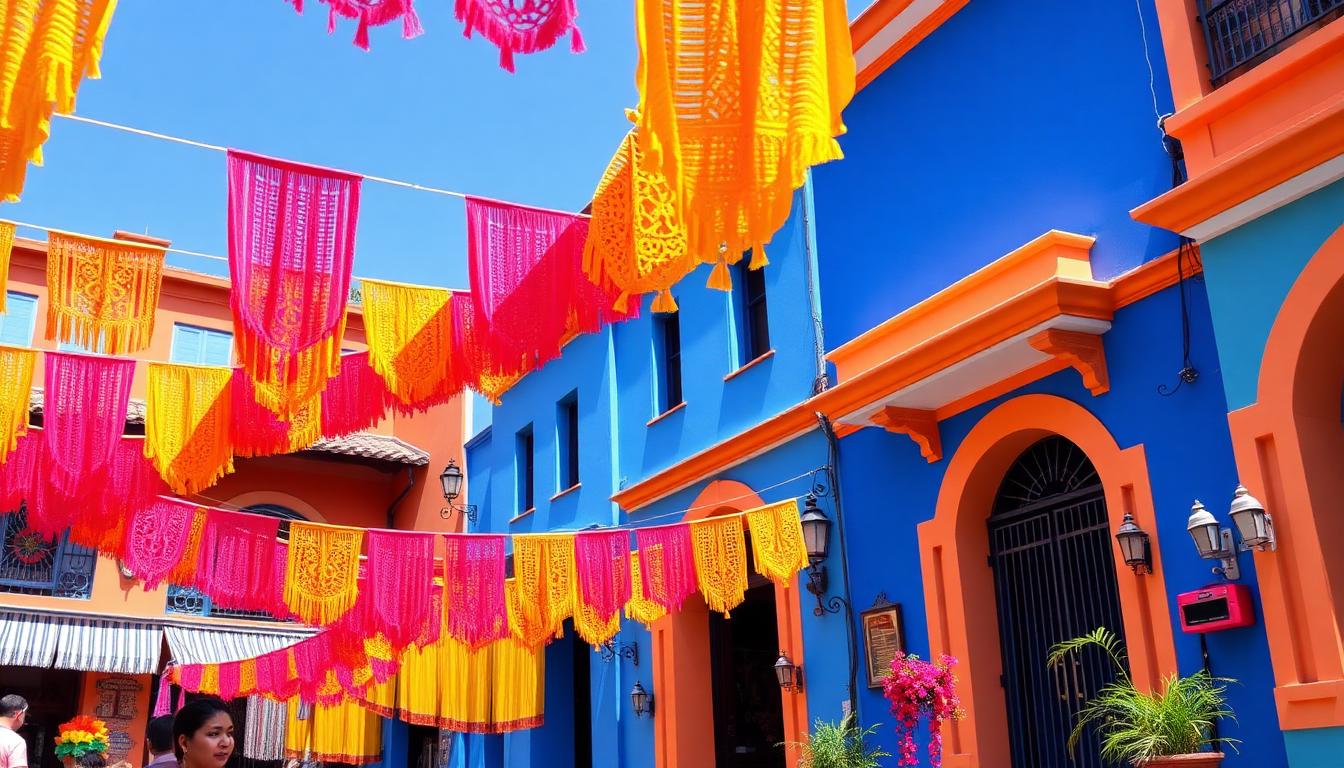
Latin America's color traditions represent some of the world's most exuberant and life-affirming visual cultures. From the sun-drenched walls of Mexican colonial towns to the textile masterpieces of Andean weavers, from Brazilian carnival costumes to contemporary urban street art, Latin American color practices celebrate vitality, community, and the defiance of darkness through pure chromatic joy.
The Colonial Color Explosion
Spanish and Portuguese colonial architecture created the foundation for Latin America's distinctive urban color palettes. These weren't arbitrary choices — they reflected complex interactions between indigenous pigments, European fashion, African influences, and practical environmental concerns.
Mexican Colonial Towns: The Heritage of Color
Cities like Guanajuato, San Miguel de Allende, and Oaxaca demonstrate systematic color planning:
- Pink and terracotta: Derived from local clay and ochre pigments
- Blue and turquoise: Imported and locally-made pigments referencing sky and water
- Yellow and gold: Wealth signaling, sunshine celebration
- Deep reds and burgundies: Spanish heritage, religious symbolism
- Green: Fertility, vegetation, indigenous associations
The specific colors of each town often trace to available local pigments and the preferences of founding families or religious orders.
The Andean Palette: Altitude and Light
High-altitude Andean cities — Cusco, Quito, Potosí — developed color traditions responding to intense UV light and thin atmosphere:
- Saturated earth tones: Ochre, sienna, and umber resist fading at altitude
- Vibrant reds: Cochineal and local dyes create intense, light-stable colors
- Blue and white: Reference to the brilliant high-altitude sky
- Gold accents: The sun's intensity reflected in architectural decoration
The clarity of Andean light makes colors appear more vivid — a factor that influenced local aesthetic preferences.
Brazilian Coastal Colors
Brazilian colonial towns, particularly in Bahia and along the coast, developed tropical color palettes:
| Color | Source | Application |
|---|---|---|
| Pastel yellow | Local ochres | Church facades, government buildings |
| Soft blue | Imported indigo | Window trim, balconies |
| Mint green | Copper verdigris | Ornamental details |
| White | Limestone | Religious buildings, contrast element |
| Pink and salmon | Local clay mixtures | Residential buildings |
These softer, sun-bleached tones create the distinctive "tropical colonial" aesthetic.
Indigenous Textile Traditions: Weaving Color Stories
Indigenous textile traditions across Latin America use color as language, with specific hues and combinations carrying symbolic meaning and social information.
The Andean Woven Language
Quechua weavers in Peru, Bolivia, and Ecuador developed sophisticated color systems:
- Red: Blood, strength, fertility, and the life force
- Yellow/Gold: Sun, corn, wealth, and prosperity
- Green: Nature, agriculture, and growth
- Blue: Sky, water, and the divine
- Black: Night, death, but also the fertile earth
- White: Clouds, snow, and ancestral spirits
Specific patterns (tocapu) combine these colors to tell complex stories and record historical events.
Mayan Textile Colors
Guatemalan Mayan weaving (traje) uses color to indicate:
- Community identity: Each village has distinctive color combinations
- Life stage: Different colors for children, adults, elders
- Marital status: Specific patterns and hues for married women
- Ceremonial purpose: Special colors for religious occasions
The colors come from natural sources:
- Indigo: For blues and blacks
- Cochineal: For reds and purples
- Achiote: For orange and yellow
- Various plants: For greens and additional yellows
Amazonian Color Traditions
Amazonian indigenous groups developed color practices suited to rainforest environments:
- Urucum (achiote): Red-orange pigment for body painting and textiles
- Genipapo: Blue-black dye for temporary and permanent decoration
- Clay pigments: Earth tones for pottery and body paint
- Feather colors: Bird plumage as mobile, brilliant color
These traditions emphasize body painting over textiles, creating temporary, performative color experiences.
Mexican Folk Art: The Palette of Celebration
Mexican folk art represents perhaps the most internationally recognized Latin American color tradition, with distinctive palettes appearing across multiple media.
The Mexican Color Triad
Traditional Mexican folk art often employs three primary color relationships:
- Blue, yellow, and red: The primary triad referencing colonial and indigenous fusion
- Pink, orange, and yellow: Warm sunrise and sunset associations
- Green, purple, and gold: Catholic religious imagery color traditions
These combinations appear in:
- Talavera pottery: Majolica-inspired ceramic glaze traditions
- Alebrijes: Fantastical carved animals painted in bright patterns
- Papel picado: Cut paper banners for celebrations
- Day of the Dead: Ofrenda decorations and sugar skulls
Día de los Muertos Color Symbolism
Day of the Dead uses specific color meanings:
| Color | Meaning | Application |
|---|---|---|
| Purple | Mourning, but also royalty | Papel picado, candles |
| Pink | Celebration, joy | Flower decorations, sugar skulls |
| Orange | Marigolds, sun, life | Cempasúchil flowers, pathways |
| White | Purity, hope, heaven | Sugar skulls, church decorations |
| Black | Death, the underworld | Decorative elements, contrast |
| Yellow | Light, guidance | Marigold petals, candles |
The overall effect combines mourning and celebration — sadness transformed into color and life.
Carnival and Celebration Colors
Latin American festivals represent some of the world's most spectacular color deployments, creating temporary environments of pure chromatic intensity.
Brazilian Carnival
Rio de Janeiro's carnival uses color systematically:
- Samba school colors: Each school has distinctive color identity
- Costume hierarchies: More elaborate colors for featured performers
- Float design: Massive color constructions moving through space
- Body painting: Individual color expression within collective themes
The colors reference:
- Nature: Tropical birds, flowers, and sea
- Mythology: African, indigenous, and syncretic religious imagery
- Political commentary: Some schools use color for social criticism
- Pure celebration: Color for its own joyful sake
Andean Carnival Traditions
Highland celebrations use color for community and agricultural symbolism:
- Comparsa costumes: Group identity through coordinated color
- Water fights: Colored water and paint transform participants
- Agricultural rituals: Color connects to planting and harvest cycles
- Community renewal: Collective color experience as social bonding
Latin American Modernism and Color
The 20th century brought European modernist movements to Latin America, where they merged with local color traditions to create distinctive regional modernisms.
Mexican Muralism
Diego Rivera, David Alfaro Siqueiros, and José Clemente Orozco developed:
- Monumental scale: Color covering entire architectural surfaces
- Indigenous color: Earth pigments alongside modern industrial paints
- Political color: Red as revolutionary symbol, gold as colonial critique
- Public color: Art for everyone, not just elite gallery visitors
Rivera's color palette specifically drew on:
- Pre-Columbian sources: Ochre, turquoise, Mayan blue
- Colonial art: Gold leaf, ultramarine, vermilion
- Contemporary industry: Factory-made pigments for durability
Brazilian Modernism
Roberto Burle Marx revolutionized landscape design with color:
- Tropical color: Bold, saturated native plant combinations
- Abstract patterns: Color blocking inspired by European modernism
- Cultural synthesis: Indigenous, African, and European color traditions combined
- Environmental color: Design responding to tropical light and vegetation
Oscar Niemeyer's architecture employed:
- White: Purity and modernist abstraction
- Primary accents: Strategic color for impact
- Tropical integration: Architecture as frame for natural color
Mexican Architecture: Barragán's Color Fields
Luis Barragán created perhaps the most architecturally significant Latin American color work:
- Pink walls: Inspired by traditional Mexican architecture, elevated to art
- Ochre and gold: Warmth and spiritual elevation
- Strategic blue: Small areas creating maximum visual impact
- Light as color: Architecture shaped to create colored light effects
Barragán's work demonstrates that Latin American color traditions could inform world-class contemporary design.
Contemporary Latin American Design
Today's designers across Latin America continue evolving traditional color practices.
Street Art and Urban Color
Latin American cities have become global centers for street art:
- Comuna 13, Medellín: Neighborhood transformed through color murals
- Mexico City: Indigenous pattern revival in contemporary murals
- Buenos Aires: European-influenced street art with local color sensibilities
- Rio favelas: Community mural projects creating visual identity
These movements use color for:
- Community empowerment: Marginalized neighborhoods claiming visual space
- Political commentary: Color as communication and protest
- Tourism development: Colorful neighborhoods as cultural destinations
- Youth engagement: Art education and community building
Fashion and Textile Innovation
Contemporary Latin American fashion draws on color heritage:
- Carolina Herrera: Venezuelan designer using bold color globally
- Peruvian Connection: Andean textile traditions in contemporary clothing
- Mexican indigenous cooperatives: Traditional color in fair-trade fashion
- Brazilian beach culture: Vibrant color in swimwear and casual clothing
Graphic and Digital Design
Latin American graphic design develops distinctive color approaches:
- Music culture: Reggaeton, cumbia, and electronic music visual identities
- Food and beverage: Packaging drawing on folk art color traditions
- Tech startups: Using national color identity in global markets
- Cultural institutions: Museums and galleries repositioning traditional color
The Meanings of Key Latin American Colors
Specific colors carry deep significance across Latin American cultures.
Red: Blood, Passion, and Revolution
Red functions as the most politically charged Latin American color:
- Revolutionary symbolism: From Mexican independence to Cuban revolution
- Religious significance: Blood of Christ, martyrs, and saints
- Passion and love: The emotional intensity stereotypically associated with Latin culture
- Warning and danger: Traffic, safety, and alert functions
Yellow and Gold: Sun, Corn, and Wealth
Yellow connects to fundamental aspects of Latin American life:
- Solar worship: Pre-Columbian sun gods and celebrations
- Agriculture: Corn as the foundation of civilization
- Colonial extraction: Gold and silver mining as historical trauma and wealth
- Happiness and optimism: Psychological associations with sunshine
Blue: Sky, Sea, and the Divine
Blue appears across multiple contexts:
- Religious blue: Mary's mantle in Catholic iconography
- National flags: Multiple Latin American countries use distinctive blues
- Environmental reference: Caribbean sea, Andean sky
- Indigenous significance: Sacred directions and divine presence
Green: Nature, Hope, and Environment
Green carries particular contemporary weight:
- Amazon rainforest: The "lungs of the world" as global environmental symbol
- Agricultural wealth: Coffee, agriculture, and natural resources
- Indigenous territory: Land rights and environmental protection movements
- Hope and growth: Universal associations applied to regional development
Color and Social Issues
Contemporary Latin America uses color to address social challenges.
Gender and Color
Traditional gender color coding faces contemporary critique:
- Pink tax critique: Gendered pricing and marketing exposed
- Feminist movements: Reclaiming and redefining "women's" colors
- LGBTQ+ visibility: Rainbow flags and inclusive color in public space
- Masculinity evolution: Expanding acceptable color ranges for men
Indigenous Rights
Color becomes a tool of indigenous advocacy:
- Textile traditions: Intellectual property and cultural appropriation debates
- Territory marking: Color in mapping and land claims
- Language preservation: Color vocabulary as cultural heritage
- Political movements: Indigenous flags and color symbols
Environmental Color
Environmental movements deploy color strategically:
- Green washing critique: Corporations using environmental color cynically
- Activist color: Specific hues for climate and environmental campaigns
- Biodiversity celebration: Color as argument for preservation
- Pollution visualization: Using color to make environmental damage visible
Design Principles from Latin American Color
Contemporary designers can learn from Latin American traditions:
Joy and Resilience
Latin American color teaches:
- Color as resistance: Beauty in difficult circumstances
- Community through color: Shared visual experience creating social bonds
- Celebration of life: Death and difficulty transformed through chromatic joy
- Environmental harmony: Color responding to light, climate, and place
Pattern and Storytelling
Indigenous textile traditions demonstrate:
- Color as language: Specific combinations carrying meaning
- Pattern memory: Historical and cultural information in visual form
- Community identity: Color marking belonging and difference
- Material authenticity: Natural dyes and traditional techniques
Scale and Impact
Colonial and modernist traditions show:
- Monumental color: Architecture and public art as color field
- Integration: Color unifying built and natural environments
- Light and shadow: Tropical conditions creating distinctive color effects
- Democratic access: Color for everyone, not just elite consumption
Using Latin American Colors Respectfully
Designers inspired by Latin American traditions should:
- Understand the history: Colors carry specific historical and cultural weight
- Acknowledge sources: Credit the traditions that inspire your work
- Support practitioners: Purchase from and commission Latin American artists
- Avoid stereotypes: Move beyond "fiesta" clichés to genuine engagement
- Engage politically: Recognize that color in Latin America is often resistance
The goal is meaningful dialogue between celebration and context, beauty and history, joy and justice.