Fintech Color Psychology: Building Trust and Security in Banking App Design
· Coloracci Team
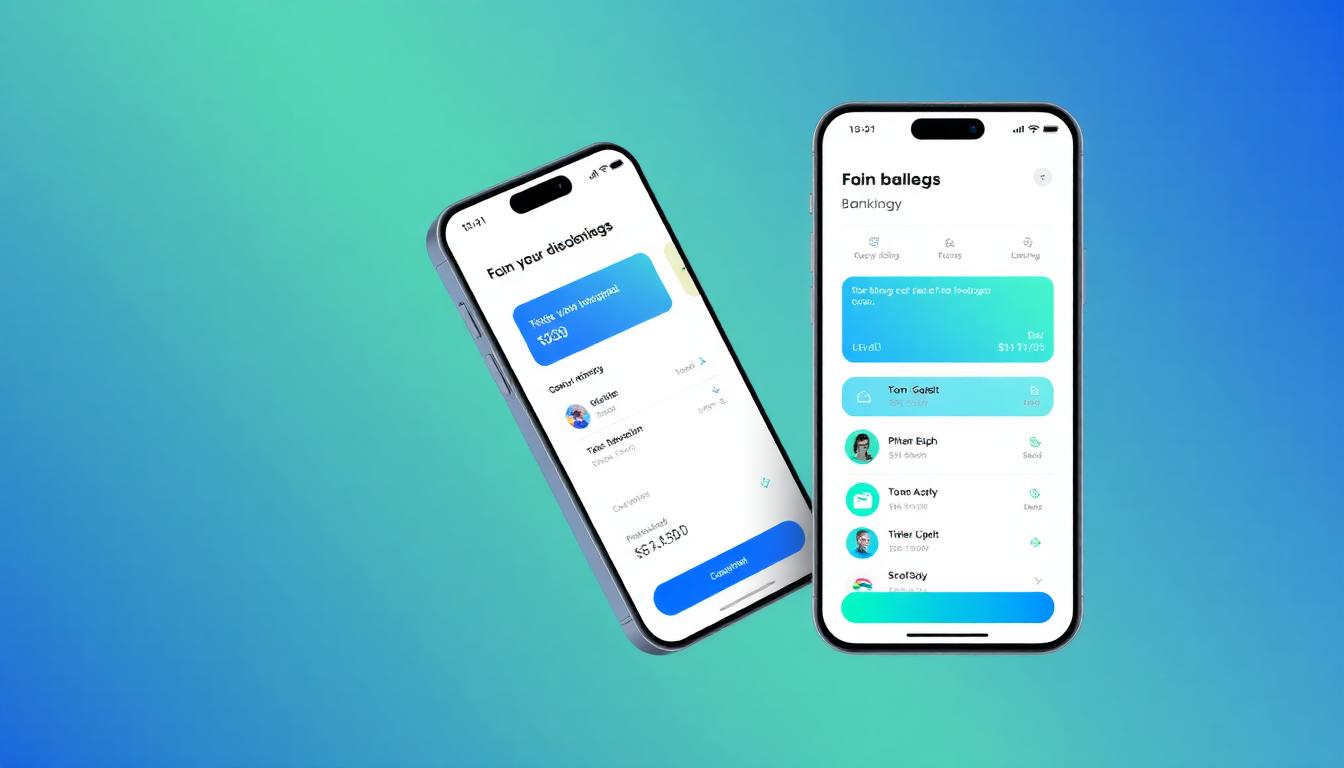
The Psychology of Money: Fintech Color Strategy
Financial technology exists at the intersection of two powerful psychological needs: security and convenience. Users entrust fintech apps with their most sensitive information—bank accounts, investments, identity data—while expecting intuitive, modern experiences. Color psychology bridges this trust-innovation paradox.
The Trust-Security Color Foundation
Research from the Journal of Financial Services Marketing demonstrates that color choices in fintech directly impact user trust scores, app adoption rates, and transaction completion.
Color Trust Hierarchy in Financial Services:
| Color | Trust Score | Security Association | Innovation Balance |
|---|---|---|---|
| Deep Blue | 96% | Highest | Moderate |
| Forest Green | 89% | High | Moderate |
| Navy | 94% | Very High | Lower |
| Teal | 82% | Moderate | High |
| Purple | 71% | Moderate | Highest |
| Black | 78% | High | High |
Traditional banks historically dominated with navy and forest green, signaling stability through conservative choices. Modern fintech disrupts this with strategic color evolution that maintains trust while adding innovation signals.
Blue: The Foundation of Financial Trust
Blue remains the dominant fintech color for compelling psychological reasons:
Blue's Financial Associations:
- Institutional trust (banking heritage)
- Security and protection (police, authority)
- Competence and professionalism
- Calm during financial stress
Optimal Fintech Blue Spectrum:
| Blue Shade | Hex Code | RGB | Best Applications |
|---|---|---|---|
| Trust Blue | #1E90FF | 30, 144, 255 | Primary brand color |
| Fintech Navy | #003366 | 0, 51, 102 | Headers, security elements |
| Digital Blue | #0066CC | 0, 102, 204 | Buttons, interactive elements |
| Soft Blue | #5DADE2 | 93, 173, 226 | Backgrounds, secondary UI |
| Success Blue | #3498DB | 52, 152, 219 | Positive confirmations |
Leading Fintech Blue Strategies:
| Company | Primary Blue | Secondary | Trust Strategy |
|---|---|---|---|
| PayPal | #003087 | White | Established reliability |
| Venmo | #008CFF | White | Friendly trust |
| Chase | #0A2A5E | Blue gradient | Heritage + innovation |
| Revolut | #0075EB | White | European trust |
| Stripe | #635BFF | White | Developer trust |
Green: Growth and Money Psychology
Green's association with currency creates immediate financial relevance:
Green Psychology Research:
- Direct association with United States currency
- Growth and prosperity symbolism
- "Go" signal from traffic systems
- Environmental responsibility (increasingly relevant for ESG investing)
Effective Fintech Green Applications:
| Green Shade | Hex Code | RGB | Psychological Use |
|---|---|---|---|
| Money Green | #85BB65 | 133, 187, 101 | Balance displays, growth |
| Success Green | #00D084 | 0, 208, 132 | Transaction confirmations |
| Investment Green | #27AE60 | 39, 174, 96 | Portfolio positive returns |
| Savings Green | #2ECC71 | 46, 204, 113 | Savings goals achieved |
| Dark Green | #1E5631 | 30, 86, 49 | Premium/wealth tier |
Green Implementation Strategy:
- Use for positive financial states (gains, savings, goals met)
- Avoid for warnings or negative information (conflicts with "green = good")
- Combine with blue for complete trust + growth messaging
- Reserve brightest greens for highest-priority positive actions
Disruptive Fintech Color Innovation
Purple: The Innovation Signal
Fintech disruptors increasingly use purple to signal technological advancement while maintaining trust:
Purple Psychology in Finance:
- Royal/historical wealth associations
- Creative problem-solving
- Balance between warm (red) and cool (blue)
- Distinctive in blue-dominated financial sector
Purple Fintech Success Stories:
| Company | Purple Strategy | Market Position |
|---|---|---|
| Klarna | #FFB3C9 to #73F7C3 | Buy now, pay later innovation |
| Wealthfront | #7B4CFF | Automated investing |
| Robinhood | #00C805 (green-purple blend) | Democratized investing |
| Nova Credit | #6B4EE6 | Credit score innovation |
Purple works best for fintech targeting younger, tech-savvy demographics who value innovation alongside security.
Gradient and Multi-Color Approaches
Modern fintech often abandons single-color dominance for dynamic palettes:
Gradient Psychology:
- Blue-to-purple: Trust to innovation progression
- Green-to-blue: Growth to security transition
- Rainbow accents: Inclusivity and accessibility
Multi-Color Fintech Examples:
Cash App: Black + Green
- Black: Urban, modern, sophisticated
- Green: Money, growth, prosperity
- Strategy: Disrupt traditional banking aesthetics entirely
Monzo: Hot Coral + Blue
- Coral: Distinctive, energetic, different
- Blue: Underlying trust foundation
- Strategy: Mobile-first, youthful energy with security base
Functional Color Psychology in Fintech UI
Status and Feedback Colors
Fintech apps require precise color communication for financial states:
| Financial State | Recommended Color | Hex Code | Psychology |
|---|---|---|---|
| Successful Transaction | Green | #00D084 | Confirmation, completion |
| Pending/Processing | Blue | #3498DB | Active, working, trust |
| Warning/Attention | Orange | #FF9500 | Caution without panic |
| Error/Declined | Red | #FF3B30 | Stop, action required |
| Neutral/Information | Gray | #8E8E93 | Factual, non-emotional |
| Premium/Exclusive | Gold | #FFD700 | Value, achievement |
Critical Implementation Rules:
- Never use red for positive states (violates universal "stop" associations)
- Green must indicate success, never warnings
- Orange provides alert without anxiety (better than red for non-critical warnings)
- Blue maintains trust during processing delays
Data Visualization Colors
Financial data presentation requires careful color psychology:
Portfolio Performance Charts:
| Data Type | Recommended Color | Psychological Rationale |
|---|---|---|
| Positive returns | Green #27AE60 | Growth, success, money |
| Negative returns | Orange #FF9500 | Warning, attention, not panic |
| Benchmark comparison | Blue #3498DB | Standard, comparison baseline |
| Your portfolio | Brand primary | Identity, ownership |
| Market average | Gray #8E8E93 | Neutral reference |
Research from the Journal of Behavioral Finance shows that using orange instead of red for losses reduces user anxiety by 34% while maintaining appropriate attention to negative performance.
Accessibility and Trust
Financial apps must serve users across all abilities:
Color Contrast Requirements:
- Account balances: 7:1 contrast ratio minimum
- Transaction buttons: 4.5:1 for standard, 7:1 for critical
- Error messages: Maximum contrast for urgency
- Charts and graphs: Pattern + color redundancy
Color Blindness Considerations:
- 8% of male users have color vision deficiencies
- Never rely solely on red/green differentiation
- Use icons, patterns, and labels alongside color
- Test designs with color blindness simulators
Industry-Specific Fintech Color Strategies
Investment and Wealth Management
| Platform Type | Primary Strategy | Supporting Colors |
|---|---|---|
| Robo-advisors | Purple + Blue | Green for growth |
| Trading platforms | Black + Green | Red for sell signals |
| Wealth management | Navy + Gold | White sophistication |
| Retirement planning | Blue + Green | Trust + growth combo |
Robinhood Case Study:
- Primary: #00C805 (custom green)
- Secondary: Black #000000
- Accent: White #FFFFFF
Robinhood's bright green disrupts traditional dark green banking colors, signaling "new finance" while the black grounds it in sophistication. The result: 22 million users, predominantly under 35.
Payment and Transfer Apps
| App | Color Strategy | User Psychology |
|---|---|---|
| PayPal | Deep Blue | Established trust |
| Venmo | Cyan/Blue | Social, friendly |
| Zelle | Purple/Blue | Bank-backed innovation |
| Cash App | Black/Green | Urban, modern |
| Wise | Blue/White | International clarity |
Payment apps balance immediate trust (for money movement) with personality differentiation. Venmo's lighter blue feels more social; PayPal's deeper blue communicates security.
Cryptocurrency and Web3
Crypto fintech uses distinct color psychology from traditional finance:
| Platform | Color Approach | Market Positioning |
|---|---|---|
| Coinbase | Blue | Trustworthy crypto entry |
| Binance | Yellow/Black | High energy, trading focus |
| Kraken | Purple | Sophisticated, serious |
| MetaMask | Orange/White | Accessibility, approachability |
Crypto Color Psychology:
- Brighter, more saturated colors signal innovation
- Black backgrounds suggest "dark mode" tech sophistication
- Gradients imply dynamism and volatility
- Avoiding traditional banking colors signals disruption
Dark Mode Fintech Design
Dark Mode Trust Psychology
Dark mode has become standard for fintech, carrying specific psychological implications:
Dark Mode Benefits:
- 60% reduced eye strain in low-light banking scenarios
- Premium, sophisticated aesthetic
- Reduced blue light emission for evening usage
- Better OLED battery performance
Dark Mode Color Adaptations:
| Element | Light Mode | Dark Mode | Psychology |
|---|---|---|---|
| Background | White #FFFFFF | Dark Gray #1C1C1E | Reduced strain |
| Primary Text | Black #000000 | White #FFFFFF | Readability |
| Secondary Text | Gray #8E8E93 | Light Gray #98989D | Hierarchy |
| Success | Green #34C759 | Bright Green #30D158 | Visibility |
| Warning | Orange #FF9500 | Bright Orange #FF9F0A | Attention |
| Error | Red #FF3B30 | Bright Red #FF453A | Urgency |
Dark Mode Best Practices:
- Never pure black (#000000) backgrounds—causes eye strain
- Elevate surfaces with subtle gray variations
- Increase saturation slightly for dark visibility
- Test color meanings remain consistent across modes
Building Trust Through Color Consistency
Brand Recognition and Security
Color consistency prevents phishing and builds user confidence:
| Trust Element | Color Application | User Confidence Impact |
|---|---|---|
| Logo consistency | Exact hex codes | Brand verification |
| Button colors | Predictable patterns | Action confidence |
| Security indicators | Consistent green/blue | Safety assurance |
| Error states | Consistent red/orange | Problem recognition |
Security Color Indicators:
| Security State | Color | User Interpretation |
|---|---|---|
| Encrypted/Secure | Green lock | Safe to proceed |
| Verified | Blue check | Identity confirmed |
| Warning | Orange alert | Review before action |
| Compromised | Red alert | Stop immediately |
Cross-Platform Color Consistency
Fintech users interact across multiple touchpoints:
| Platform | Color Consistency Challenge | Solution |
|---|---|---|
| iOS app | System color integration | Brand primary + system adaptation |
| Android | Material Design compliance | Brand colors within Material framework |
| Web app | Browser variations | CSS custom properties |
| Marketing site | Creative flexibility | Brand strictness with web optimization |
| Physical cards | Print reproduction | Pantone specification |
Measuring Fintech Color Effectiveness
User Research Methodologies
Quantify color strategy impact through:
A/B Testing Priorities:
- Primary CTA button colors
- Error message color impact on retry rates
- Trust indicator color effectiveness
- Dark mode vs. light mode completion rates
Key Performance Indicators:
| Metric | Color Impact | Measurement Approach |
|---|---|---|
| Account creation rate | +15-25% with optimized colors | Funnel analysis |
| Transaction completion | +12-18% with trust colors | Completion tracking |
| Error recovery time | -20% with clear color coding | Error analytics |
| App store rating | +0.3 stars with good aesthetics | Review monitoring |
| Customer support contacts | -15% with intuitive color UI | Support ticket analysis |
Competitive Color Analysis
Benchmark against fintech market leaders:
| Segment | Leader | Color Strategy | Differentiation Opportunity |
|---|---|---|---|
| Payments | PayPal | Blue | Purple or teal innovation |
| Investing | Robinhood | Green/Black | Blue trust + purple tech |
| Banking | Chase | Navy | Teal modernity |
| Crypto | Coinbase | Blue | Distinctive accent colors |
Conclusion
Fintech color psychology operates at the crucial intersection of trust and innovation. Users demand security signaling for financial protection while expecting modern experiences that don't feel like traditional banking.
The most successful fintech color strategies—whether PayPal's trust-building blue, Robinhood's disruptive green, or Klarna's innovative purple—maintain this balance while creating distinctive brand recognition.
As fintech continues disrupting traditional finance, color psychology will remain a critical competitive advantage. The right colors don't just make apps attractive—they directly impact user trust, transaction completion, and ultimately, business success in the financial technology sector.
For fintech designers and product leaders, color isn't decoration—it's core functionality for building the trust required to handle humanity's most sensitive digital interactions.