Chinese New Year Colors and Their Significance
· Coloracci Team
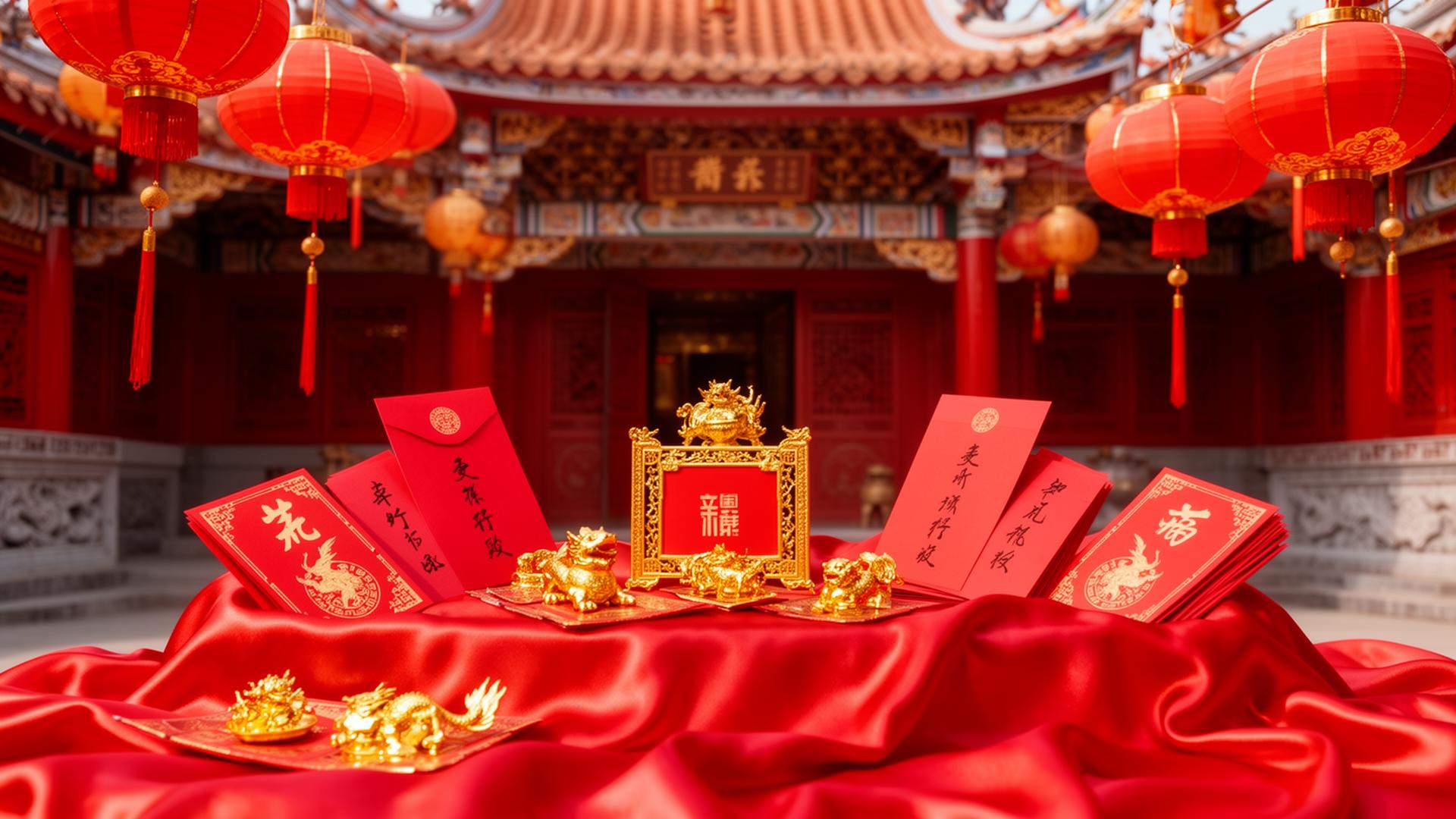
Chinese New Year — known as Chun Jie (春节, Spring Festival) — is the most important holiday in Chinese culture and the largest annual human migration on earth. For the billions of people who celebrate it, every element of the festival is governed by centuries of symbolic tradition, and no element is more visually dominant or culturally significant than color. The reds, golds, and carefully avoided whites and blacks that define the Spring Festival are not decorative choices — they are acts of intention, each carrying specific beliefs about luck, prosperity, protection, and cosmic harmony.
Understanding Chinese New Year colors is essential for designers working with Chinese markets, creating culturally sensitive marketing campaigns, or drawing inspiration from one of the world's richest chromatic traditions. This guide examines every significant color of the Spring Festival, explains the mythology and philosophy behind each, and provides practical guidance for applying these principles respectfully and effectively.
Red (Hong 红): Luck, Joy, and Protection from Evil
Red is the supreme color of Chinese New Year and arguably the most symbolically important color in all of Chinese civilization. During the Spring Festival, red appears everywhere — on lanterns hanging from every storefront, on the paper cuttings adorning windows, on the envelopes (hongbao 红包) containing money gifts, on the couplets (chunlian 春联) pasted on doorframes, and on the clothing worn by celebrants young and old.
The Nian myth: The origin of red's dominance traces to the legend of Nian (年), a fearsome beast that emerged from the sea (or mountains, depending on the region) every New Year's Eve to terrorize villages. The people discovered that Nian feared three things: loud noises, fire, and the color red. From that night forward, Chinese families covered their homes in red, set off firecrackers, and lit bonfires to ward off the monster. The tradition transformed from defensive ritual to joyful celebration, but the red remained — a permanent reminder that color has power.
Traditional Chinese New Year reds:
- China Red (Zhongguo Hong 中国红)
#DE2910— The definitive Chinese red, warmer and more orange-leaning than Western reds. This is the red of the Chinese flag, of lanterns, and of hongbao envelopes. It is a red that glows — suggesting fire, warmth, and living energy rather than the cooler, bloodier reds of European heraldry. - Vermillion (Zhu Hong 朱红)
#E34234— The red of cinnabar, historically the most prized red pigment in Chinese art. Vermillion was used for imperial seals, temple columns, and the most sacred calligraphy. During New Year, vermillion appears on temple offerings and formal ceremonial items. - Lucky Red (Ji Hong 吉红)
#C41E3A— A slightly deeper, cooler red used in modern hongbao design and commercial New Year branding. This red carries the same auspicious meaning while offering a more refined, contemporary aesthetic. - Firecracker Red (Pao Zhu Hong 爆竹红)
#FF2400— The bright, high-energy red of firecracker paper. This is the most vivid red in the New Year palette, used where maximum visual impact and festive energy are needed.
Red's five blessings: In Chinese philosophy, red encompasses the wu fu (五福) — the five blessings of longevity, wealth, health, virtue, and a peaceful death. Wearing red during New Year is not merely festive; it is an invocation of these blessings for the coming year. This is why red underwear is traditionally worn during one's zodiac year (ben ming nian 本命年), when a person is considered especially vulnerable to misfortune.
Gold (Jin 金): Prosperity, Wealth, and Imperial Radiance
Gold is the second pillar of the Chinese New Year palette, representing wealth, prosperity, and the radiance of achievement. Where red protects and blesses, gold attracts — it is the color of invitation, calling abundance and success into the household for the new year.
The element of Metal: In Chinese cosmology's five-element system (wu xing 五行), gold corresponds to the Metal element, which governs precision, justice, and harvest. Metal is the element of autumn — the season of reaping what was sown — making gold a symbol not of unearned fortune but of deserved reward. Using gold during New Year expresses the hope that the coming year's efforts will yield rich returns.
Traditional Chinese New Year golds:
- Imperial Gold (Huang Jin 黄金)
#FFD700— The bright, pure gold of imperial Chinese design. This shade was historically restricted to the emperor and the imperial court — using it was a privilege that signaled the highest authority. During New Year, this restriction dissolves, and every household borrows the emperor's gold for their own prosperity hopes. - Prosperous Gold (Fu Jin 福金)
#DAA520— A deeper, more antiqued gold that appears on traditional New Year decorations, temple offerings, and the gold ingot shapes (yuanbao 元宝) that symbolize wealth. This gold suggests accumulated, established wealth rather than sudden fortune. - Coin Gold (Tong Qian Jin 铜钱金)
#B8860B— The darker gold of ancient Chinese coins, which are often strung together as New Year decorations. This bronze-gold carries associations of steady commercial prosperity and the virtues of trade. - Modern Luxury Gold (She Chi Jin 奢侈金)
#C9A94E— A sophisticated, muted gold used in contemporary Chinese luxury branding and upscale New Year marketing. This shade bridges traditional symbolism with modern design sensibility.
Gold and red together: The combination of red and gold is the foundational palette of Chinese New Year. Red backgrounds with gold characters, gold borders on red lanterns, gold dragons on red fabric — this pairing is so deeply embedded in Chinese visual culture that it functions as an immediate cultural identifier worldwide. The typical ratio favors red as the dominant surface color (approximately 70%) with gold serving as the accent, text, and ornamental layer (approximately 30%).
Colors to Avoid: White, Black, and the Taboos of New Year
Chinese New Year's color system is defined as much by what is avoided as by what is embraced. Certain colors carry associations that directly conflict with the festival's themes of renewal, prosperity, and joy. Understanding these taboos is critical for designers creating New Year-related content.
White (Bai 白):
White is the primary color of mourning in Chinese culture. Funerals are "white affairs" (bai shi 白事), mourners wear white clothing, and white flowers — particularly chrysanthemums — are reserved for funerary contexts. During New Year, white is therefore scrupulously avoided in decorations, clothing, and gifts. A white envelope containing money would be deeply offensive — it suggests a funeral offering rather than a New Year blessing.
- Mourning White
#F5F5F5— The off-white of traditional Chinese mourning garments - Funeral Chrysanthemum
#FFFDD0— The pale white-yellow of funeral flowers
Important nuance: White is not universally negative in Chinese culture. It is associated with purity, justice, and the Metal element. In non-funeral, non-New Year contexts, white is perfectly appropriate. The avoidance is specific to the Spring Festival, where white's mourning associations clash with the celebration's themes.
Black (Hei 黑):
Black represents the Water element and is associated with darkness, bad luck, and the unknown. During New Year, black is avoided in decorations and formal clothing (though practical black garments are not strictly taboo in modern celebrations). Black wrapping paper, black envelopes, or predominantly black greetings would be considered inauspicious.
- Inauspicious Black
#1A1A1A— Avoided in New Year contexts - Deep Charcoal
#2D2D2D— Similarly avoided for decorative purposes
Dark blue and green: While not as strictly taboo as white and black, very dark blues and greens are traditionally avoided during New Year celebrations because they can resemble black in dim lighting. In modern practice, this restriction has relaxed considerably, and medium-tone greens (representing growth) and blues (representing harmony) are increasingly accepted.
How Colors Affect Celebrations: From Home to Commerce
The Spring Festival's color system influences every aspect of how the holiday is experienced, from intimate family rituals to massive commercial campaigns.
Home decoration: Chinese households undergo a thorough cleaning (da sao chu 大扫除) before New Year, then redecorate entirely in red and gold. Red paper cuttings (jianzhi 剪纸) are applied to windows, depicting auspicious scenes — fish (representing abundance), the character fu (福, meaning good fortune, often hung upside-down to suggest fortune "pouring in"), and zodiac animals for the incoming year. Red couplets with gold characters are pasted on either side of the front door, expressing hopes for the new year in parallel poetic phrases.
The hongbao tradition: Red envelopes containing money are one of the most recognizable Chinese New Year customs. The red envelope itself is as important as the money inside — the red color activates the gift's lucky potential. Modern digital hongbao (popularized by WeChat) maintain the red-and-gold color scheme even in purely digital form, demonstrating how deeply the color symbolism is embedded in the tradition.
Clothing protocol: New clothing is traditionally worn on New Year's Day, symbolizing a fresh start. Red is the ideal color, particularly for children and anyone in their zodiac year. Adults may wear other warm, bright colors — deep pink #C71585, warm orange #FF8C00, or rich magenta #CC0066 — but will typically include at least one red element, even if it is only red socks or underwear.
Commercial applications: Global brands have learned to adapt their marketing for Chinese New Year, and color is the primary vehicle. Successful campaigns use:
- Red as the dominant background — typically
#DE2910or#C41E3A - Gold for typography, borders, and decorative elements —
#FFD700or#DAA520 - Warm accents — tangerine orange
#FF6600(tangerines symbolize luck) or peach pink#FF9999(peach blossoms represent romance and longevity) - Zodiac animal imagery rendered in gold on red backgrounds
Brands that have mastered Chinese New Year color:
- Apple releases special-edition red products for the festival
- Nike creates red-and-gold sneaker collections each year
- Starbucks introduces red-and-gold cup designs for Chinese markets
- Luxury brands like Gucci and Louis Vuitton produce capsule collections featuring
#DE2910and#FFD700
Beyond Red and Gold: The Complete Spring Festival Palette
While red and gold dominate, the full Chinese New Year palette includes several supporting colors that add dimension and meaning.
Tangerine Orange (Ju Cheng 橘橙) #FF8C00 — Tangerines and oranges are essential New Year gifts because their Chinese names are homophones for "luck" (ji 吉) and "wealth" (jin 金). The orange color of these fruits extends into decorations, conveying warmth, enthusiasm, and abundant fortune.
Peach Pink (Tao Hong 桃红) #FF69B4 — Peach blossoms are a traditional New Year flower in southern China, particularly Guangdong and Hong Kong. Their soft pink represents romance, longevity, and the beauty of new beginnings. This pink is more vivid and warmer than Western pastel pinks.
Spring Green (Chun Lv 春绿) #00A86B — While green is used cautiously during New Year, the bright green of new spring growth is increasingly accepted as a symbol of vitality and fresh starts. This green appears in flower arrangements, particularly in narcissus (shuixian 水仙) and lucky bamboo displays.
Jade Green (Yu Lv 玉绿) #00A36C — Jade holds immense cultural significance in China as a symbol of virtue, grace, and protection. Jade green in New Year contexts represents moral character and spiritual protection for the coming year.
Practical Tips for Designing with Chinese New Year Colors
Lead with red, accent with gold. The formula is simple and proven:
#DE2910as your primary surface color,#FFD700or#DAA520for typography, borders, ornamental elements, and key details. This combination is immediately recognizable and culturally appropriate.Never use white as a background for New Year content. If your design requires a light background, use warm cream
#FFF8E7or pale gold#FFF5CCinstead. Pure white reads as funerary in a Chinese New Year context and will alienate your audience.Include the correct zodiac animal. Each year is associated with one of twelve animals. Rendering the zodiac animal in gold on a red background follows centuries of tradition. Ensure you identify the correct animal for the year — using the wrong zodiac animal is a significant cultural error.
Respect the character fu (福). If your design includes Chinese characters, the most common for New Year is fu (福, meaning good fortune). It is traditionally displayed upside-down because the phrase "fu dao le" (福倒了, fortune is inverted) is a homophone for "fu dao le" (福到了, fortune has arrived). This is intentional symbolism, not a mistake.
Test with Chinese audiences. Color sensitivity varies between mainland China, Taiwan, Hong Kong, Singapore, and diaspora communities. What reads as appropriately festive in one community may feel exaggerated or stereotypical in another. Always test your designs with members of the specific Chinese community you are addressing.
Avoid pairing red with green in equal measure. While both colors appear during New Year, a 50/50 red-green split reads as Christmas rather than Spring Festival to global audiences. Keep green as a minor accent (under 15%) and let red dominate.
Use gradients to add modern depth. Contemporary Chinese New Year design often employs gradients from
#DE2910to#8B0000(deep red) or from#FFD700to#B8860B(deep gold) to create dimension and sophistication while maintaining traditional color meaning.
Chinese New Year's color system is one of the most complete and intentional in any world culture. Every red lantern, every gold character, every carefully avoided white surface is a choice that connects the present moment to thousands of years of accumulated meaning. For designers, this tradition offers a masterclass in purposeful color — the understanding that every hex code is a cultural act.