Automotive Color Psychology: Luxury Car Design and Brand Identity Strategy
· Coloracci Team
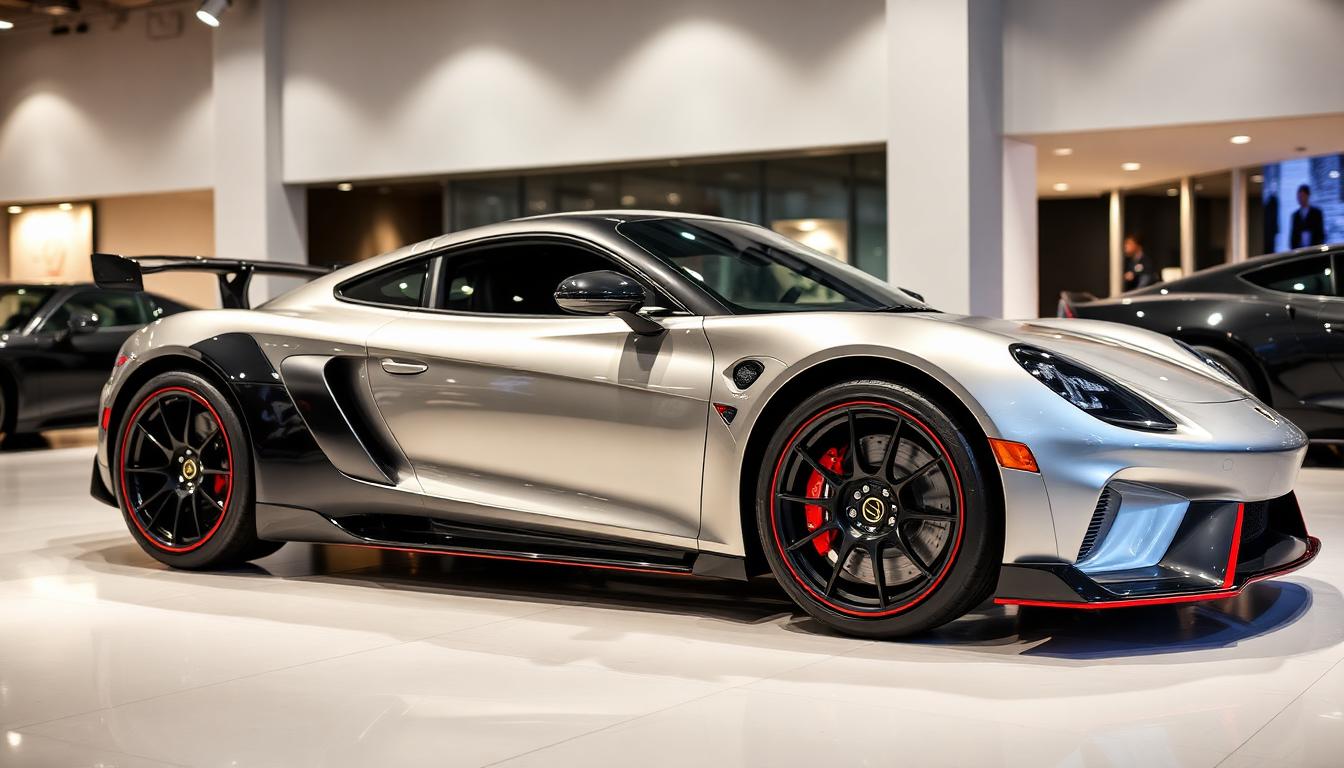
The Psychology of Automotive Color
Automotive color psychology operates at the intersection of engineering excellence, status signaling, and emotional identity. Unlike other products, cars serve as public extensions of personal identity—making color choice one of the most significant purchasing decisions beyond the vehicle itself.
Why Car Colors Matter
Research in automotive consumer behavior reveals profound impacts from color selection:
| Color | Resale Value Impact | Perceived Quality | Safety Association |
|---|---|---|---|
| White | Highest retention | Clean, modern | Most visible |
| Black | Premium positioning | Luxury, power | Lower visibility |
| Silver | Universal appeal | Technology, sophistication | High visibility |
| Gray | Practical choice | Understated elegance | Good visibility |
| Blue | Personality expression | Trust, reliability | Moderate visibility |
| Red | Emotional purchase | Sport, passion | Variable visibility |
These statistics explain why manufacturers offer extensive color palettes despite production complexity—color drives purchase decisions and long-term satisfaction.
White: The Modern Default
White has emerged as the dominant automotive color globally:
White Automotive Psychology:
| Factor | White Advantage | Market Impact |
|---|---|---|
| Resale value | +3-5% vs. average | Fleet, rental preference |
| Maintenance | Hides dirt, scratches | Lower ownership cost perception |
| Climate | Reflects heat | Southern market dominance |
| Modernity | Clean, tech-forward | EV market alignment |
White Spectrum in Automotive:
| White Shade | Hex Code | RGB | Positioning |
|---|---|---|---|
| Pure White | #FFFFFF | 255, 255, 255 | Fleet, basic |
| Pearl White | #F0EAD6 | 240, 234, 214 | Premium entry |
| Diamond White | #F5F5F5 | 245, 245, 245 | Luxury standard |
| Chalk White | #E8E6D9 | 232, 230, 217 | Sophisticated matte |
| Glacier White | #E8E8E8 | 232, 232, 232 | Metallic premium |
Why White Dominates:
- Universal appeal: Cross-cultural, cross-demographic acceptance
- Photography advantage: Shows vehicle lines clearly in marketing
- Heat management: Reduced interior temperatures
- Maintenance perception: Appears cleaner between washes
- Future-proofing: Doesn't date as quickly as trendy colors
Black: Power and Sophistication
Black maintains premium positioning despite practical disadvantages:
Black Automotive Psychology:
- Ultimate luxury signal
- Authority and executive presence
- Timeless sophistication
- High maintenance = high commitment signal
Black Spectrum:
| Black Shade | Hex Code | RGB | Luxury Level |
|---|---|---|---|
| Jet Black | #000000 | 0, 0, 0 | Maximum power |
| Obsidian | #353535 | 53, 53, 53 | Sophisticated depth |
| Piano Black | #1A1A1A | 26, 26, 26 | High-gloss luxury |
| Carbon Black | #0C0C0C | 12, 12, 12 | Metallic depth |
| Sapphire Black | #0A0A1A | 10, 10, 26 | Blue-black elegance |
Black Market Segments:
| Segment | Black Preference | Psychology |
|---|---|---|
| Luxury sedans | 35-40% | Executive presence |
| Sports cars | 25-30% | Sophisticated performance |
| SUVs | 20-25% | Rugged premium |
| Trucks | 15-20% | Professional utility |
Silver: Technology and Precision
Silver's automotive psychology centers on engineering excellence:
Silver Positioning:
- Highlights vehicle contours and design lines
- Suggests aerospace/advanced materials
- Neutral enough for broad appeal
- Maintains value better than trendy colors
Silver Spectrum:
| Silver Shade | Hex Code | RGB | Character |
|---|---|---|---|
| Bright Silver | #C0C0C0 | 192, 192, 192 | Classic |
| Sterling | #D6D6D6 | 214, 214, 214 | Premium |
| Gunmetal | #2A3439 | 42, 52, 57 | Aggressive |
| Liquid Silver | #E8E8E8 | 232, 232, 232 | Fluid modern |
| Tungsten | #8A8A8A | 138, 138, 138 | Sophisticated |
Premium and Luxury Automotive Colors
Metallic and Effect Finishes
Modern luxury extends beyond color to finish complexity:
| Finish Type | Psychological Effect | Premium Positioning |
|---|---|---|
| Metallic | Depth, dimension | Entry luxury |
| Pearl/Tricoat | Color shift, complexity | Mid-luxury |
| Matte | Exclusivity, customization | High luxury |
| Chromaflair | Extreme color shift | Ultra-luxury |
| Satin | Balanced exclusivity | Performance luxury |
Metallic Color Psychology:
| Metallic Shade | Base Color | Premium Perception |
|---|---|---|
| Champagne | Gold metallic | Classic luxury |
| Rose Gold | Pink metallic | Modern femininity |
| Bronze | Copper metallic | Artisanal quality |
| Titanium | Gray metallic | Technology forward |
Brand-Signature Colors
Luxury automotive brands leverage proprietary colors:
| Brand | Signature Color | Brand Association |
|---|---|---|
| Ferrari | Rosso Corsa #FF0000 | Racing heritage |
| Porsche | Guards Red #FF0000 | Motorsport DNA |
| Lamborghini | Verde Mantis #87FF2A | Exotic personality |
| Mercedes | Selenite Grey #808080 | Executive sophistication |
| BMW | Alpine White #FFFFFF | Motorsport purity |
| Audi | Nardo Grey #7F7F7F | Contemporary engineering |
| Tesla | Midnight Silver #1A1A1A | Tech-forward |
| Rolls-Royce | Silver #C0C0C0 | Ultimate luxury |
| Bentley | Ghost White #F8F8FF | British elegance |
| Aston Martin | British Racing Green #004225 | Heritage racing |
Performance and Sports Car Colors
Racing Color Heritage
Traditional racing colors carry significant heritage weight:
| Country | Racing Color | Hex Code | Heritage Brands |
|---|---|---|---|
| Italy | Rosso Corsa | #FF0000 | Ferrari, Alfa |
| Germany | Silver | #C0C0C0 | Mercedes, Porsche |
| UK | British Racing Green | #004225 | Aston, Jaguar |
| France | Racing Blue | #0055FF | Alpine, Bugatti |
| Japan | White/Red | #FFFFFF | Honda, Nissan |
| USA | Imperial Blue | #002395 | Ford, Corvette |
Sports Car Color Psychology
| Color | Performance Perception | Buyer Psychology |
|---|---|---|
| Red | Maximum performance | Emotional, passionate |
| Yellow | Exuberant speed | Optimistic, visible |
| Orange | Aggressive sport | Bold, different |
| Green | Heritage performance | Traditional, racing |
| Blue | Precision engineering | Technical, refined |
Sports Color Performance Data:
| Color | Insurance Premium | Theft Risk | Resale Sports |
|---|---|---|---|
| Red | +5% (higher risk) | High | Moderate |
| Yellow | Standard | Low | Good |
| Orange | Standard | Low | Good (rare) |
| Green | Standard | Low | Excellent (heritage) |
| Blue | -2% (lower risk) | Low | Good |
SUV and Truck Color Strategy
Utility Vehicle Psychology
Trucks and SUVs follow distinct color patterns from passenger cars:
| Segment | Top Colors | Psychology |
|---|---|---|
| Full-size trucks | White, Black, Gray | Professional utility |
| Mid-size trucks | Gray, Blue, Red | Lifestyle, recreation |
| Luxury SUVs | Black, White, Silver | Premium positioning |
| Compact SUVs | White, Blue, Red | Urban versatility |
| Off-road | Earth tones, Green | Adventure capability |
Earth Tone Popularity:
| Earth Color | Hex Code | Adventure Association |
|---|---|---|
| Desert Sand | #EDC9AF | Off-road capability |
| Forest Green | #228B22 | Outdoor adventure |
| Mountain Gray | #708090 | Rugged terrain |
| Canyon Brown | #8B4513 | Western heritage |
| Trail Green | #556B2F | Military capability |
Electric Vehicle Color Trends
EV-Specific Color Psychology
Electric vehicles use color to signal technological differentiation:
| EV Brand | Color Strategy | Tech Signal |
|---|---|---|
| Tesla | White, Silver, Black | Minimalist future |
| Lucid | Gold, White, Black | Luxury electric |
| Rivian | Green, Yellow, Blue | Adventure electric |
| Polestar | White, Gray, Gold | Performance electric |
| BMW i | Blue accent | BMW electric identity |
| Mercedes EQ | Blue accent | EQ brand signature |
EV Color Trends:
- Higher adoption of white (clean energy association)
- Blue accents signal electric identity
- Matte finishes more common (tech-forward)
- Brighter colors for differentiation in emerging market
Interior Color Psychology
Cabin Color Strategy
Interior colors significantly impact perceived quality and comfort:
| Interior Color | Perceived Quality | Practical Considerations |
|---|---|---|
| Black | Sporty, premium | Hot in sun, shows dust |
| Beige/Tan | Luxurious, warm | Practical, hides wear |
| Gray | Modern, technical | Balanced, contemporary |
| Brown | Classic, upscale | Rich, sophisticated |
| Red | Sport, exclusive | Bold statement |
| White | Ultra-luxury | High maintenance |
Interior Color Combinations:
| Combination | Positioning | Popular In |
|---|---|---|
| Black + Red stitching | Sport luxury | Sports cars |
| Beige + Wood | Classic luxury | Luxury sedans |
| Gray + Aluminum | Modern tech | Premium vehicles |
| Brown + Cream | Heritage luxury | British/German luxury |
| All black | Performance | Sports cars, performance variants |
Regional and Cultural Color Preferences
Global Color Variations
| Region | Top Colors | Cultural Factors |
|---|---|---|
| North America | White, Black, Gray | Practical, individual expression |
| Europe | Gray, Blue, White | Sophisticated, varied |
| China | White, Black, Gold | Status, luck (white = death avoided) |
| Japan | White, Silver, Black | Clean, modern |
| Middle East | White, Gold, Beige | Heat, sand, luxury |
| India | White, Silver, Red | Practical, auspicious |
| Latin America | Silver, White, Red | Practical, passionate |
Color Symbolism by Culture
| Color | Western Association | Eastern Association | Consideration |
|---|---|---|---|
| White | Clean, modern | Death, mourning | Market-specific strategy |
| Black | Luxury, power | Death, evil | Universal luxury signal |
| Red | Sport, passion | Luck, prosperity | Positive in Asia |
| Gold | Premium, luxury | Wealth, divinity | Universal premium |
| Green | Environment | Nature, growth | Growing importance |
Future Automotive Color Trends
Emerging Color Technologies
| Technology | Psychological Effect | Timeline |
|---|---|---|
| Self-healing paint | Pristine appearance always | 2025-2027 |
| Color-changing paint | Personalization, expression | 2026-2028 |
| Solar-reflective | Comfort, efficiency | Current-2025 |
| Bioluminescent | Safety, futuristic | 2028+ |
| Texture-changing | Tactile differentiation | 2027+ |
Sustainability Color Signals
| Sustainability Signal | Color Strategy | Brand Examples |
|---|---|---|
| Recycled materials | Earth tones | Polestar, Rivian |
| Carbon neutral | Green, natural | All EV brands |
| Vegan interiors | Tan, innovative | BMW, Mercedes |
| Circular economy | Recycled pigments | Emerging trend |
Measuring Automotive Color Success
Sales and Resale Metrics
| Metric | Color Impact | Measurement |
|---|---|---|
| Days on lot | Popular colors -15% | Inventory tracking |
| Resale value | White/gray +3-5% | Auction data |
| Customer satisfaction | Preferred color +12% | Post-purchase surveys |
| Brand perception | Signature colors +18% | Brand tracking |
Production Efficiency
| Color Factor | Manufacturing Impact | Cost Implication |
|---|---|---|
| Color complexity | Longer production time | +$500-5000 per vehicle |
| Metallic content | Material cost | +$200-800 |
| Multi-coat processes | Time, labor | +$1000-3000 |
| Matte finishes | Quality control | +$2000-5000 |
Conclusion
Automotive color psychology represents one of the most sophisticated applications of color science, influencing not just aesthetic preference but perceived value, safety, resale potential, and brand identity. The dominance of white, black, and silver reflects practical considerations—resale value, maintenance, universal appeal—while premium and performance segments leverage color for differentiation and emotional connection.
Whether choosing a classic silver sedan for executive presence, a bold red sports car for passion, or a signature green for brand recognition, automotive color decisions carry weight far beyond surface appearance. They signal personality, status, values, and identity to everyone who sees the vehicle.
As automotive technology evolves toward electrification and autonomy, color psychology will remain essential—perhaps even more important as vehicles become rolling statements of values and identity in an increasingly homogeneous technological landscape. Mastering automotive color psychology means understanding not just what looks good, but what drives the human need to communicate through the machines we choose to drive.