African Color Traditions: Symbolism, Identity, and Cultural Expression
· Coloracci Team
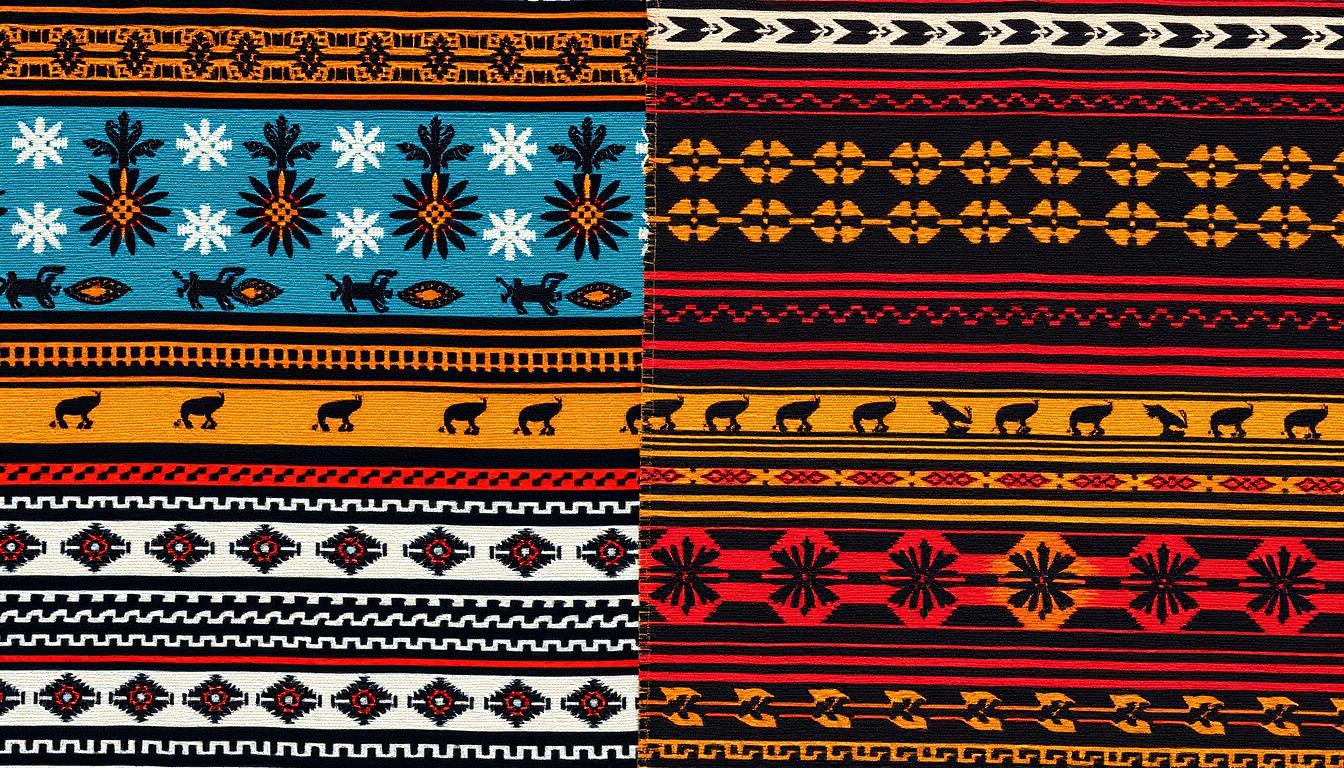
Africa's color traditions represent some of humanity's oldest and most sophisticated visual communication systems. From the ancient rock art of the Sahara to contemporary fashion runways, African color practices have influenced global design while maintaining deep cultural specificity. Understanding these traditions offers designers not just aesthetic inspiration but insight into how color functions as language, identity, and spiritual technology.
The Diversity of African Color Systems
Africa is not a monolith, and neither are its color traditions. The continent's 54 countries encompass over 2,000 distinct ethnic groups, each with unique relationships to color. However, certain patterns and principles recur across regions, creating frameworks for understanding African color psychology.
Geographic Color Zones
| Region | Dominant Palette | Characteristics |
|---|---|---|
| West Africa | Bold primaries, geometric patterns | Kente, adinkra, bogolan traditions |
| East Africa | Earth tones, beadwork colors | Maasai reds, ochre, white |
| North Africa | Islamic influences, desert palette | Blues, whites, terracottas |
| Southern Africa | Earth pigments, black/white contrast | Ndebele house painting, rock art |
| Central Africa | Forest greens, mask colors | Ritual pigments, natural dyes |
West African Textile Traditions: Kente and Beyond
Ghana's kente cloth represents one of the world's most sophisticated woven color systems, where every hue carries specific meaning and every pattern tells a story.
The Language of Kente Colors
Kente weaving uses a symbolic color vocabulary:
- Gold (#FFD700): Wealth, royalty, high status, spiritual purity
- Green (#228B22): Growth, renewal, vegetation, agricultural bounty
- Red (#DC143C): Sacrifice, blood, spiritual and political strength
- Blue (#1E90FF): Sky, water, harmony, love
- Black (#000000): Maturity, spiritual energy, connection to ancestors
- White (#FFFFFF): Purity, sanctity, rites of passage
These aren't mere decorations — they're visual proverbs communicating the wearer's intentions, achievements, and status.
Adinkra Symbols and Color
The Akan people's adinkra tradition uses black dye on cloth to create symbolic stamps:
- Black: Death, mourning, but also spiritual depth
- Red accents: Protection and spiritual power
- Gold highlights: Hope and the continuity of life beyond death
The color restraint of adinkra (primarily black with limited accents) creates powerful visual and spiritual impact.
Bogolan (Mud Cloth) from Mali
Mud cloth represents perhaps the most texturally complex African color tradition:
- Fermented mud: Creates deep browns and blacks through chemical reaction with cloth
- White: Reserved areas protected from mud, creating pattern through absence
- Natural variation: Each piece carries the unique chemistry of its creation
The color process itself is ritualized — the fermentation of mud requires specific timing and conditions, making color creation a spiritual practice.
Maasai Color Identity: Red and Beyond
The Maasai of Kenya and Tanzania have created one of the world's most recognizable color identities, using beadwork and dress to communicate complex social information.
The Power of Red
Maasai red (#DC143C through #8B0000) dominates their visual identity:
- Shuka cloth: The red blankets that identify Maasai men
- Beadwork: Red beads dominate necklaces and jewelry
- Warrior association: Red represents blood, courage, and protection
However, the red isn't arbitrary — it was historically achieved through local ochre and dyes, and its persistence represents resistance to colonial pressure to adopt "modern" dress.
Beadwork Color Grammar
Maasai beadwork uses color in a complex symbolic system:
| Color | Meaning | Usage |
|---|---|---|
| Red | Bravery, strength, unity | Warrior beads, ceremony |
| White | Peace, purity, health | New beginnings, milk |
| Blue | Energy, sky, water | Fertility, sustenance |
| Orange | Hospitality, warmth | Friendship beads |
| Green | Land, nourishment | Agricultural blessing |
| Black | Unity, the people | Community bonds |
| Yellow | Fertility, sunshine | Marriage, new life |
Young women create beaded necklaces following strict color protocols that communicate their age, marital status, and social position.
North African Blue: Protection and Tradition
The distinctive blue cities of North Africa — Chefchaouen in Morocco, the old city of Tunis — represent a unique color tradition with deep protective symbolism.
The Jewish Heritage of Blue
Chefchaouen's blue walls originated with Jewish refugees in the 15th century:
- Tekhelet blue: The sacred color of Jewish prayer shawls
- Spiritual protection: Blue wards off evil eye and harmful spirits
- Sky connection: Reminds inhabitants of heaven and divine presence
The tradition persisted and expanded after the Jewish population left, becoming generalized Moroccan cultural practice.
Islamic Blue Tradities
Blue holds special significance across Islamic North Africa:
- Zellige tilework: Complex blue geometric patterns in mosques and palaces
- Evil eye protection: Blue beads and amulets throughout the region
- Water and sky: Blue represents the life-giving elements in desert environments
The famous Majorelle Blue (#355C7D) of Marrakech, developed by French artist Jacques Majorelle, drew on these traditions to create one of the world's most photographed color environments.
Ndebele House Painting: Southern African Geometry
The Ndebele people of South Africa and Zimbabwe have developed a remarkable tradition of house painting that transforms domestic architecture into monumental art.
The Language of House Colors
Ndebele house painting uses color and pattern to communicate:
- Red ochre: Iron oxide creates the base color, connects to earth
- Black: Charcoal and carbon for outlines and geometric precision
- White: Limestone and clay for contrast and pattern definition
- Yellow: Ochre variants for secondary patterns
The specific patterns and color combinations indicate:
- Family history: Each household develops distinctive visual identity
- Life transitions: New patterns for marriages, births, initiations
- Social status: Complexity indicates resources and artistic investment
Women's Artistic Authority
Ndebele house painting is exclusively women's work, representing one of the few African traditions where women hold primary artistic authority. The color choices and pattern innovations pass from mothers to daughters, creating lineages of visual knowledge.
Rock Art: Africa's Ancient Color Archive
The continent's rock art traditions — from the Sahara to the Drakensberg — represent humanity's earliest systematic color use, with some paintings dating back 30,000 years.
The San (Bushman) Tradition
Southern African San rock art uses a limited but powerful palette:
- Red ochre: Iron oxide, the dominant color, associated with blood and life force
- Yellow ochre: Variant iron oxides, sun and light associations
- White: Clay and gypsum, spiritual and ancestral significance
- Black: Charcoal and manganese, outlines and depth
The paintings depict trance experiences, hunting scenes, and spiritual transformations — the colors chosen for their symbolic and technical properties.
The Tassili n'Ajjer Desert Art
Algeria's Tassili n'Ajjer plateau contains thousands of paintings showing a remarkably consistent color tradition:
- Red ochre: The dominant pigment across millennia
- Yellow and orange: Variant ochres for secondary figures
- White: Added later, for details and spiritual figures
The persistence of this limited palette across thousands of years suggests deep cultural continuity in color meaning.
Natural Pigments and Traditional Technology
African color traditions developed sophisticated technologies for creating pigments from local materials.
Earth Pigments
The foundation of African color is earth:
- Red ochre: Iron oxide, the most widely used pigment
- Yellow ochre: Hydrated iron oxide, sun and harvest associations
- White clay: Kaolin, spiritual purity and ancestral connection
- Black: Charcoal, manganese, and burned materials
These pigments aren't merely decorative — they're applied in rituals that connect the physical body to spiritual forces.
Plant and Mineral Dyes
Beyond earth pigments, African color traditions developed:
- Indigo: West African indigo dyeing created the famous "blue cloth" traditions
- Kola nut browns: Used in ceremonial contexts
- Camwood: Reddish powder for body decoration
- Turmeric and henna: Yellow and orange body art
Contemporary African Color in Global Design
African color traditions have profoundly influenced contemporary design, though often without acknowledgment or compensation.
Fashion and Textile Influence
African color and pattern appear throughout global fashion:
- Kente-inspired prints: Mass-produced versions of traditional patterns
- Maasai beadwork motifs: Copied in jewelry and accessories
- Bogolan patterns: Adapted for contemporary clothing
The appropriation debate centers on whether these uses honor or exploit source traditions.
Interior Design Adaptations
Contemporary African-influenced interior design uses:
- Earth tone palettes: Ochre, terracotta, sand colors
- Bold geometric patterns: Ndebele-inspired wall treatments
- Textural richness: Mud cloth, woven materials, natural fibers
- Warm lighting: Mimicking African daylight qualities
Digital Color Palettes
Digital designers increasingly draw on African color systems:
- Kente-inspired gradients: Bold color transitions
- Savanna and desert palettes: Earth tones for natural products
- Urban African neons: Contemporary African city color aesthetics
Spiritual and Ritual Color Use
Color in African traditions often serves spiritual functions beyond aesthetics.
Body Painting and Scarification
Many African cultures use color on the body for:
- Rites of passage: Specific colors for initiations, marriages, funerals
- Spiritual protection: Color as armor against harmful forces
- Social identification: Group membership through shared color
- Beauty and attraction: Courtship and mating signals
Color in Divination and Healing
Traditional healers use color in diagnostic and treatment rituals:
- White: Cleansing, purification, preparation for healing
- Red: Blood, life force, activating treatments
- Black: Protection, absorption of negative forces
- Specific combinations: Tailored to individual conditions and spiritual needs
Preservation and Innovation
African color traditions face both preservation challenges and opportunities for contemporary relevance.
Threats to Traditional Knowledge
- Urbanization: Young people leaving rural areas lose access to traditional knowledge
- Mass production: Cheap imports replacing hand-crafted traditional items
- Cultural homogenization: Global media spreading standardized aesthetics
- Climate change: Altering availability of traditional pigment sources
Contemporary Revival
Artists and designers across Africa are reviving and reinterpreting traditional color:
- El Anatsui: Ghanaian artist transforming bottle caps into massive color tapestries
- Yinka Shonibare: Nigerian-British artist using Dutch wax prints to explore colonial color exchange
- Laduma Ngxokolo: South African knitwear designer using Xhosa beadwork colors
- Omar Victor Diop: Senegalese photographer using historical color in contemporary portraiture
Design Principles from African Color Traditions
Contemporary designers can learn from African color practices:
Meaningful Color Selection
African traditions teach that color should communicate, not merely decorate:
- Every hue carries specific meaning
- Color combinations create complex messages
- Context determines appropriate color use
Material-Color Integration
The pigment is inseparable from its source:
- Earth pigments connect to place
- Natural dyes reflect local ecology
- Technical process is visible in final color
Community and Identity
Color marks belonging and difference:
- Group identity through shared color
- Individual expression within collective frameworks
- Color as social communication
Spiritual Dimension
Color affects more than vision:
- Physical effects on body and mind
- Spiritual protection and activation
- Connection to ancestral and natural forces
Using African Colors Respectfully
Designers inspired by African color traditions should:
- Research deeply: Understand the meanings behind specific colors
- Acknowledge sources: Credit the traditions that inspire your work
- Support practitioners: Purchase from and commission African artists
- Avoid stereotypes: Move beyond "safari" aesthetics to genuine engagement
- Collaborate: Work with African designers rather than copying their traditions
The goal is appreciation and exchange, not extraction and appropriation.